
Share this @internewscast.com
Seif al-Islam al-Qaddafi, son of the former Libyan leader Muammar al-Qaddafi, has reportedly been killed by “four masked men,” according to statements from his representatives.
The 53-year-old was allegedly slain in Zintan, a town situated southwest of Libya’s capital, Tripoli. The Associated Press, referencing the Libyan chief prosecutor’s office, stated that Seif al-Islam was shot dead, though no additional details were disclosed. Furthermore, Khaled al-Zaidi, Seif al-Islam’s lawyer, confirmed his client’s death in a Facebook announcement.
According to the team representing Seif al-Islam, the “masked men” forcibly entered his residence, executing what they described as a “cowardly and treacherous assassination.” The Associated Press reported that the attackers allegedly disabled the CCTV cameras in an effort to hide evidence of their brutal actions.
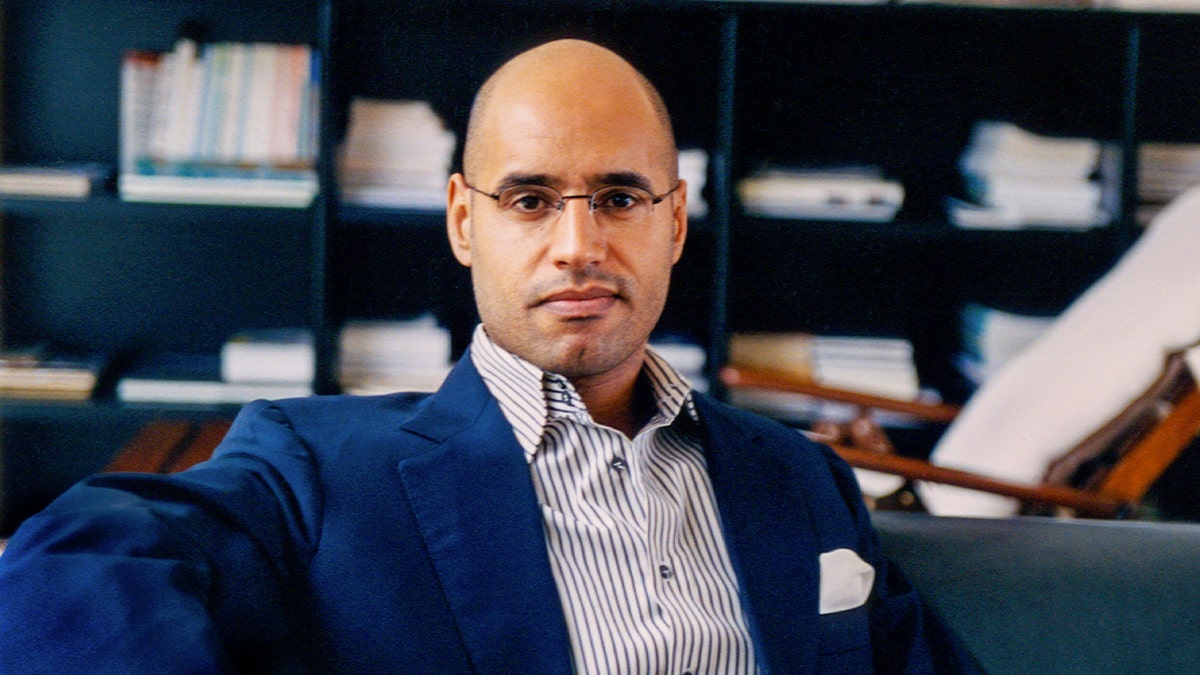
A portrait of Seif al-Islam al-Qaddafi, the second son of the late Libyan ruler Muammar al-Qaddafi and his second wife, Safia Farkash. (Jason Florio/Corbis via Getty Images)
Born in 1972, Seif al-Islam was the second son of the long-time Libyan dictator. He pursued higher education at the London School of Economics, earning a Ph.D. during his studies.
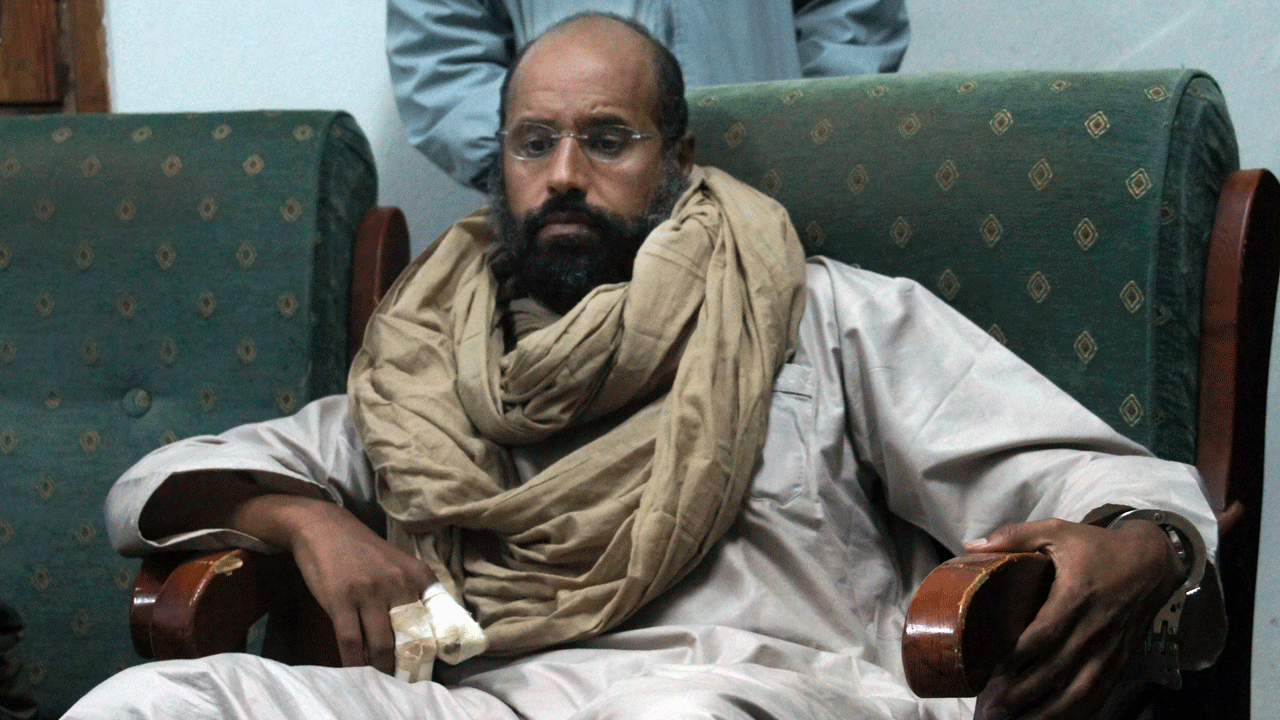
Seif al-Islam al-Qaddafi captured and held by revolutionary fighters in Zintan, Libya, on November 19, 2011. (AP Photo/Ammar El-Darwish, File)
Seif al-Islam, who was seen by many as Libya’s face to the West, has been described as the most influential man in the country, despite the fact that he did not hold an official position. He led the talks on Libya abandoning weapons of mass destruction and negotiated compensation for the loved ones of those killed in the 1988 bombing of Pan Am Flight 103, Reuters reported.
Muammar al-Qaddafi, who ruled Libya since 1969, was toppled and killed in a NATO-backed popular uprising in 2011. The uprising led to a civil war, and the country has since become divided between rival armed groups and militias, the AP noted. In late 2011, Seif al-Islam was captured by fighters while trying to flee to Niger and was later released in June 2017 when one of Libya’s rival governments granted him amnesty, according to the AP.
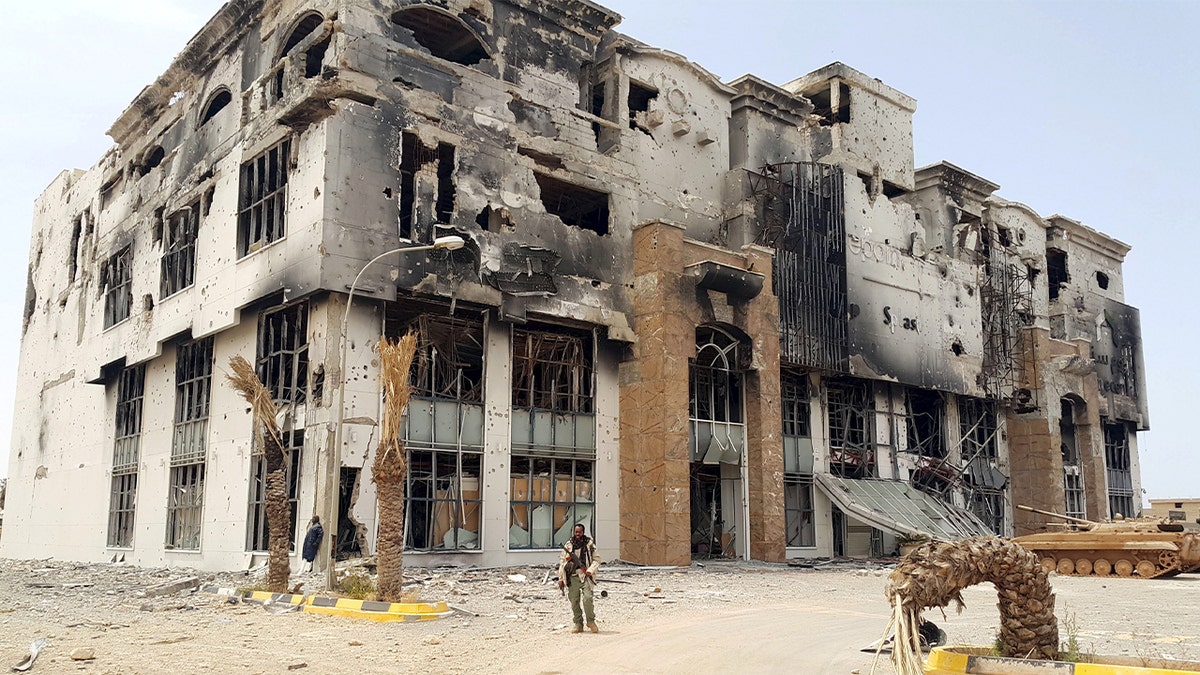
A member of the Libyan pro-government forces stands in front of the ruins of a shopping mall in Benghazi, Libya, May 21, 2015. (Stringer/Reuters)
In November 2021, Seif al-Islam announced his candidacy in the country’s presidential election, but was eventually disqualified by Libya’s High National Elections Committee, the AP reported.