
Share this @internewscast.com
On Thursday, President Donald Trump announced a national emergency concerning Cuba, issuing an executive order that targets the country’s ties with certain foreign powers and terrorist organizations. The administration is also set to penalize nations supplying oil to the Cuban regime.
The executive order categorically states that Cuba’s governmental activities and policies pose a “significant and unusual threat” to the national security and foreign policies of the United States, a threat that largely originates beyond U.S. borders.
In response to these perceived threats, Trump has introduced a mechanism to levy additional tariffs on imports from countries that provide oil to Cuba, either directly or indirectly. This move is intended to tighten U.S. pressure on the Cuban government.
The White House has emphasized that this action represents a considerable step up in efforts to safeguard American national security and foreign policy objectives against Cuban influence.
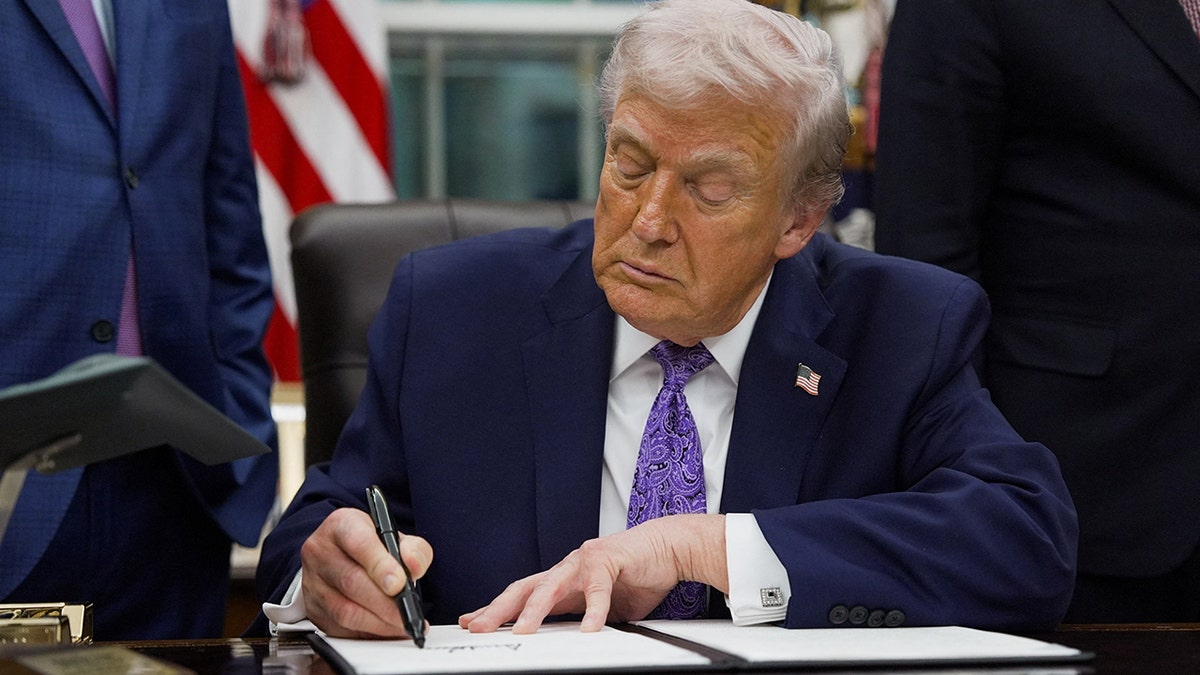
Within the executive order, Trump accused Cuba of aligning itself with a variety of adversarial nations and groups, including Russia, China, Iran, Hamas, and Hezbollah, thereby justifying the need for these new economic measures.
In the order, Trump said Cuba aligns itself with and provides support for “numerous hostile countries, transnational terrorist groups, and malign actors adverse to the United States,” naming Russia, China, Iran, Hamas and Hezbollah.
The administration said Cuba hosts Russia’s largest overseas signals intelligence facility, which the order states attempts to steal sensitive U.S. national security information. The order also says Cuba continues to deepen intelligence and defense cooperation with China.
According to the order, Cuba “welcomes transnational terrorist groups, such as Hezbollah and Hamas.”
Trump also cited the Cuban government’s human rights record, accusing the regime of persecuting and torturing political opponents, denying free speech and press freedoms, and retaliating against families of political prisoners who protest peacefully.
“The United States has zero tolerance for the depredations of the communist Cuban regime,” Trump said in the order, adding that the administration will act to hold the regime accountable while supporting the Cuban people’s aspirations for a free and democratic society.
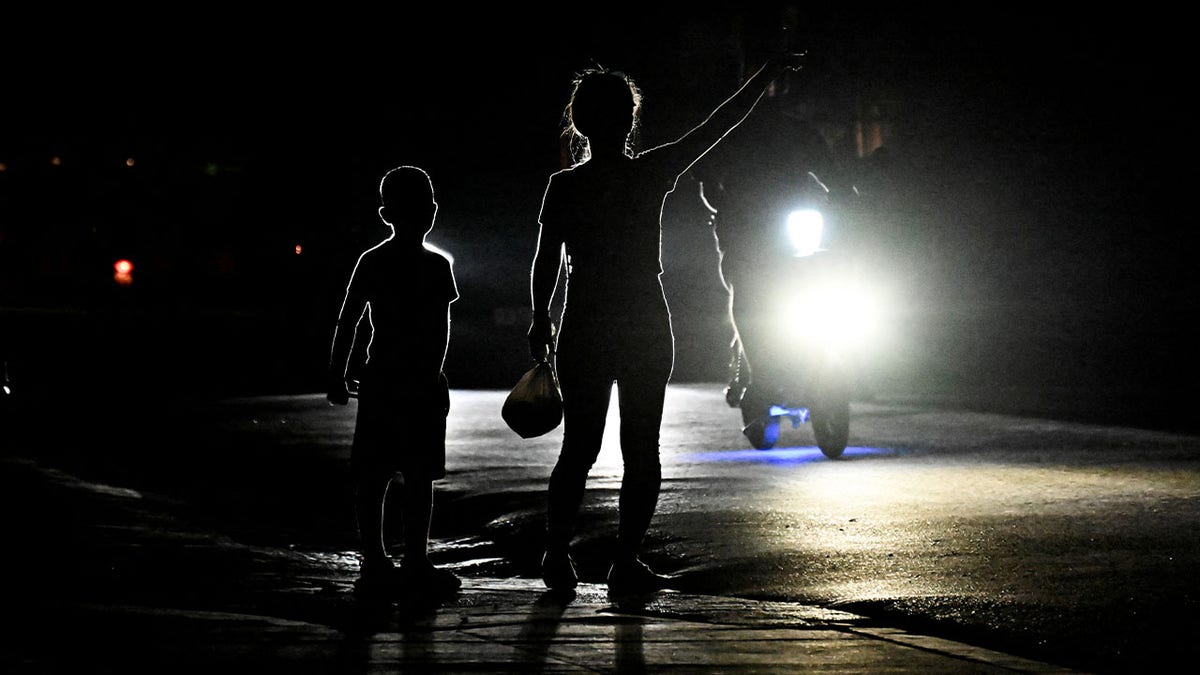
Trump also cited the Cuban government’s human rights record and alleged retaliation against families of political prisoners who protest peacefully. (Yamil Lage/AFP via Getty Images)
Under the order, the Commerce Department will determine whether a foreign country is supplying oil to Cuba, either directly or through intermediaries. The State Department, working with Treasury, Homeland Security, Commerce and the U.S. Trade Representative, will decide whether and how steep the new tariffs should be if so.
Secretary of State Marco Rubio is tasked with monitoring the national emergency and reporting to Congress, while the Commerce Department will continue tracking which countries are supplying oil to Cuba.
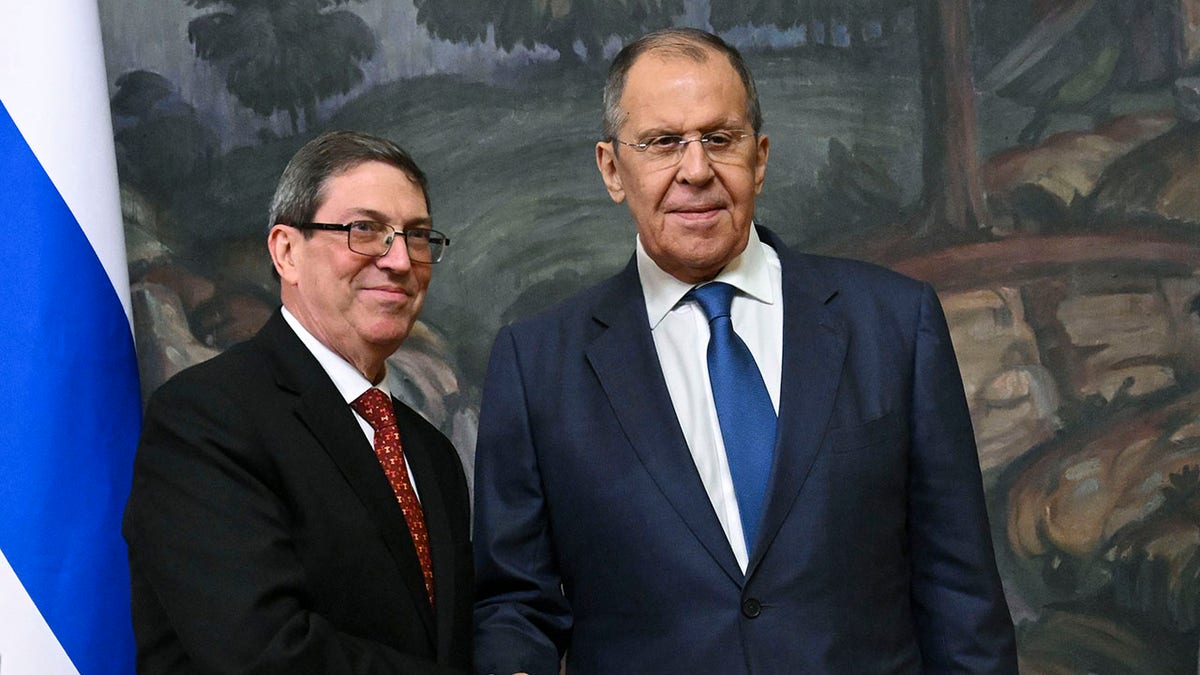
Cuban Foreign Minister Bruno Rodríguez Parrilla, left, meets with Russian Foreign Minister Sergey Lavrov, June 12, 2024, in Moscow. (AP Photo, File)
In a fact sheet, the White House said the order is designed to protect U.S. national security and foreign policy from the Cuban regime’s “malign actions and policies,” and described the move as part of Trump’s broader effort to confront regimes that threaten American interests.
The administration said the action builds on Trump’s first-term Cuba policy, which reversed Obama-era engagement and reinstated tougher measures against the communist government.
The executive order is set to take effect Friday.
The White House did not immediately respond to Fox News Digital’s request for additional comment.