
Share this @internewscast.com
In a move that could significantly alter the travel experience for many international visitors, the Trump administration has announced plans to require additional personal information from travelers hailing from countries that currently benefit from visa-free entry into the United States. This initiative, publicized by the Department of Homeland Security this week, includes the submission of five years’ worth of social media history.
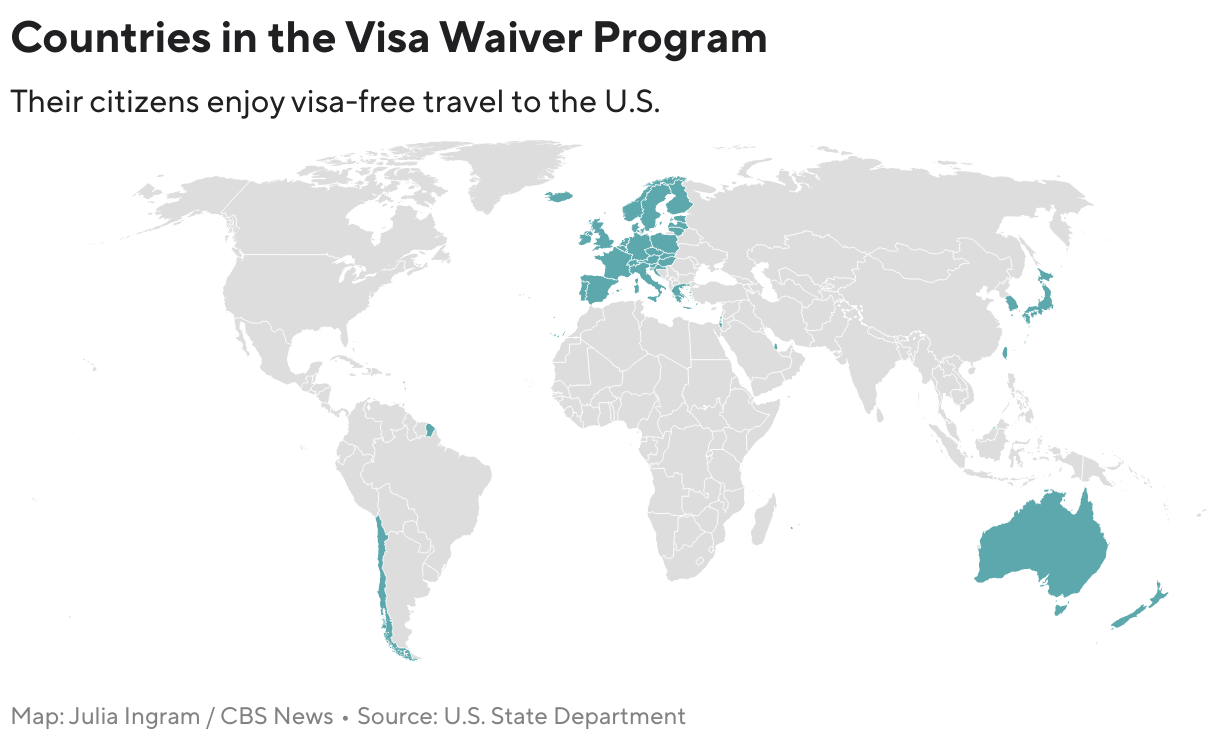
The proposed changes target citizens from 42 countries participating in the visa waiver program, which allows them to visit the U.S. for up to 90 days for tourism or business purposes without securing a visa through the often lengthy process at an American embassy or consulate. Among these countries are several European nations like the United Kingdom, Germany, and France, as well as key U.S. allies such as Australia, Israel, Japan, New Zealand, and South Korea.
Despite not needing a visa, travelers from these countries must complete an online application through the Electronic System for Travel Authorization (ESTA) before their arrival. This system is designed to verify their eligibility for visa-free travel while assessing any potential security risks they might pose.
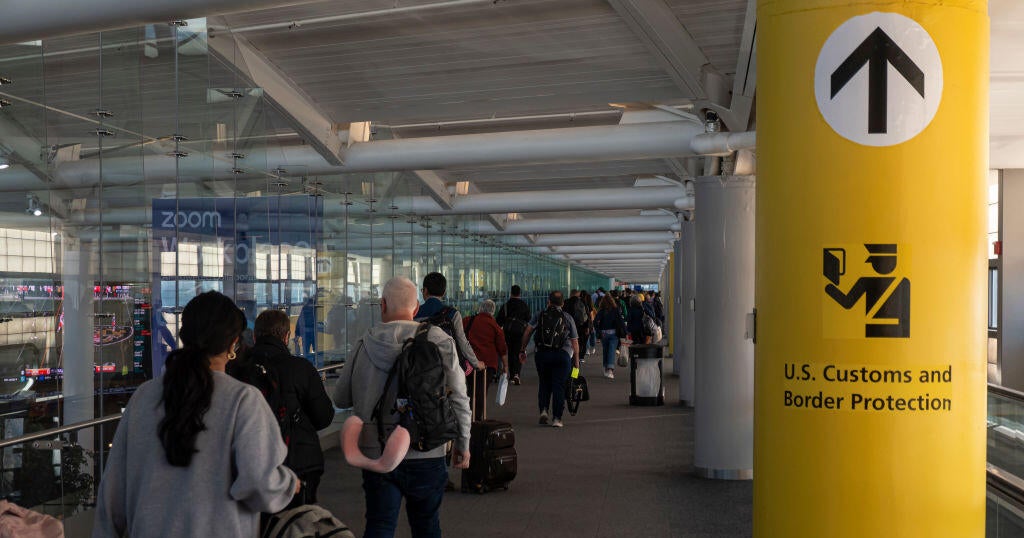
The Trump administration aims to revamp the ESTA process, shifting it to a mobile-only format. This proposed overhaul, detailed in a notice by Customs and Border Protection (CBP), a division of the Department of Homeland Security, stipulates that applicants will be required to provide more detailed information about themselves and their immediate family members. This includes phone numbers, residences, and emails used over the past decade.
Notably, a mandatory aspect of this proposal is the submission of social media history from the past five years. This requirement, as outlined in the federal government’s journal of regulations, underscores the administration’s intent to tighten security measures for those entering the country under the visa waiver program.
The notice said CBP plans to ask visa waiver travelers to share their social media history for the past five years, emails they have used for the past 10 years and the personal information of immediate family members, including phone numbers and residences. The submission of social media history from the last five years will be a mandatory requirement under the proposal, according to the notice.
CBP said the changes, which still have to be reviewed by the White House’s budget office, are designed to enforce an executive order President Trump issued earlier this year with the stated objective of denying entry to foreigners who may pose a threat to national security or public safety.
But critics of the proposed changes said they could scare prospective travelers and negatively impact tourism, especially months before the U.S. hosts the 2026 FIFA World Cup, alongside Canada and Mexico, next summer.
Over the past year, the Trump administration has mounted an aggressive effort to increase vetting and screening procedures across the U.S. immigration system.
While the State Department has moved to scrutinize visa applicants overseas more heavily, some of the changes affect people already in the U.S. who are applying to stay in the country legally through applications for asylum, green cards or American citizenship.
U.S. Citizenship and Immigration Services has instructed officials to investigate the social media history of several classes of immigrants, including for views and activities deemed to be “anti-American.” It has also directed adjudicators to more intensely probe the “good moral character” of legal immigrants requesting U.S. citizenship.