Share this @internewscast.com
The Trump administration has mandated U.S. consular officers to intensify their evaluation of H-1B visa applicants, specifically targeting those involved in “censorship or attempted censorship” of free speech within the United States. This directive comes from an internal cable from the State Department.
According to Reuters, the order, issued to all U.S. missions on December 2, advises consular officers to scrutinize resumes, LinkedIn profiles, and other publicly accessible information. This is to identify if applicants or their accompanying family members have worked in areas like misinformation, disinformation, content moderation, fact-checking, compliance, or online safety.
The cable, as reported by Reuters, directs officers to determine an applicant’s ineligibility if there is evidence indicating their involvement in or support of censorship or the attempted suppression of protected speech in the U.S.
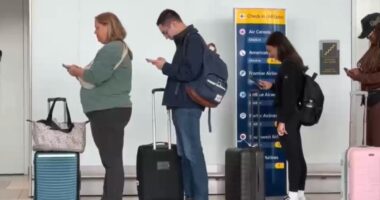
The new State Department policy expands the criteria for visa denial to include roles related to speech, such as fact-checking and content moderation. (iStock)
Though the policy affects all visa categories, it particularly emphasizes the examination of H-1B applicants, who often work in the tech sector, including social media and financial services, where they might engage in suppressing protected speech. These vetting procedures are applicable to both first-time and returning applicants.
Additionally, Reuters disclosed that the cable, which had not been made public before, instructs consular officers to delve deeply into the employment histories of applicants to confirm they have not participated in such activities.
A senior State Department official told Fox News Channel’s Gillian Turner, “While we do not comment on allegedly leaked documents, make no mistake, the Administration has made clear that it defends Americans’ freedom of expression against foreigners who wish to censor them. We do not support aliens coming to the United States to work as censors muzzling Americans. In the past, the President himself was the victim of this kind of abuse when social media companies locked his accounts. He does not want other Americans to suffer this way. Allowing foreigners to lead this type of censorship would both insult and injure the American people.”
The move comes as the administration intensifies its criticism of censorship in Europe. Vice President JD Vance responded on Dec. 4 to reports of a potential EU fine against X, posting on his official account: “Rumors swirling that the EU commission will fine X hundreds of millions of dollars for not engaging in censorship. The EU should be supporting free speech, not attacking American companies over garbage.”
Further underscoring the administration’s determination to fight censorship, Undersecretary of State Sarah Rogers posted a video on X responding to a European member of parliament stating she was “revisiting some remarks for which people in Europe and also the U.K. have been investigated or arrested or jailed by their governments over the past few years,” and listed examples from Germany, the U.K. and Sweden.”
The new screening rules target applicants who often work in the tech sector, including in content moderation and online safety roles.
She stated in part, “A German woman notoriously received a harsher jail sentence than a convicted rapist after the woman called the rapist ‘a disgraceful pig.’”
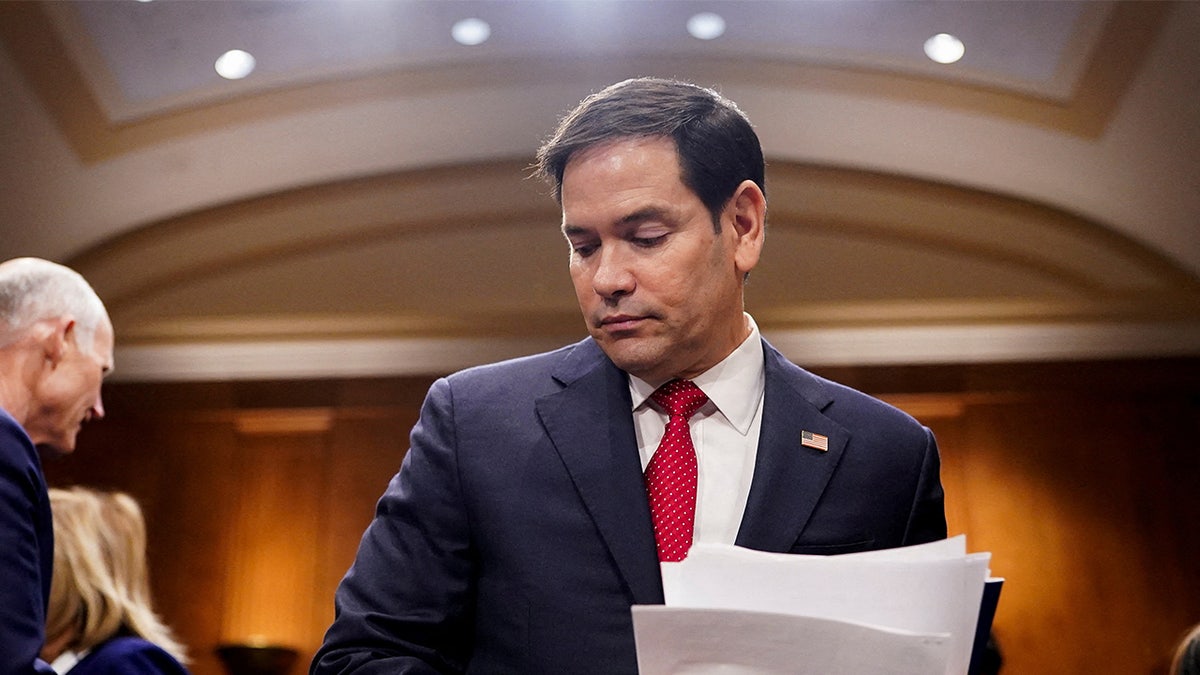
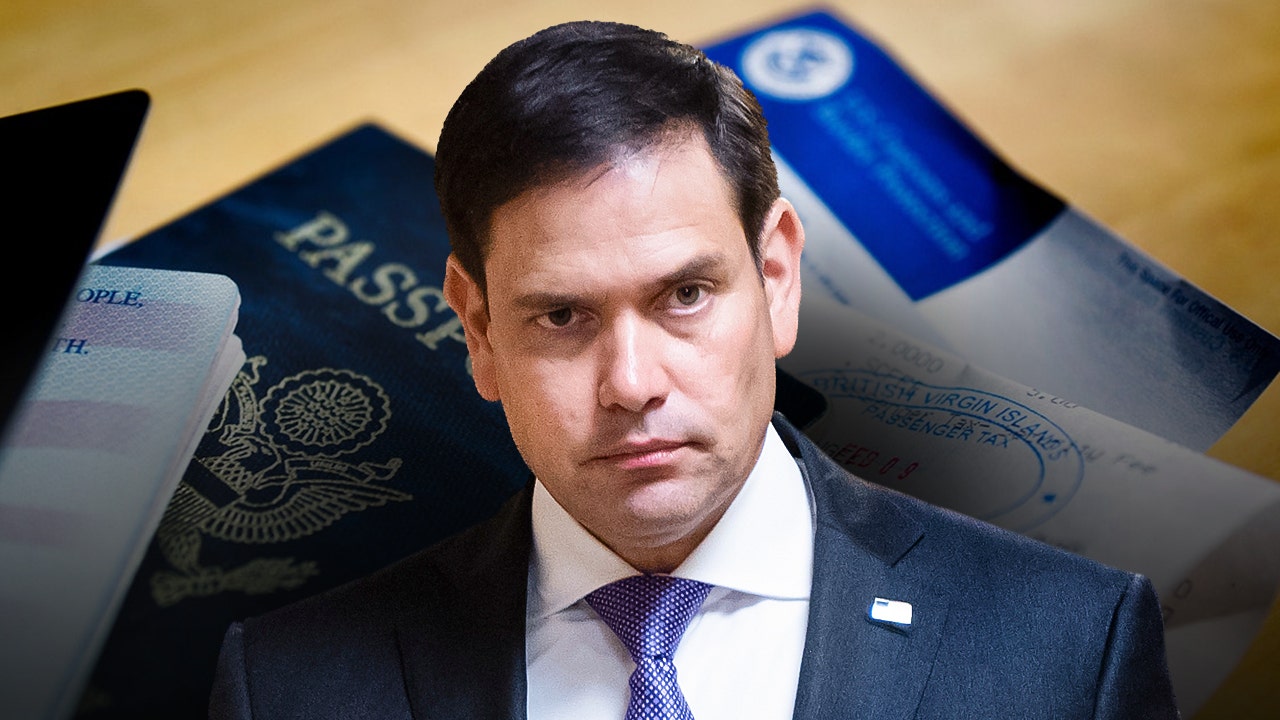
In May, Rubio threatened visa bans for people who censor speech by Americans, including on social media, and suggested the policy could target foreign officials regulating U.S. tech companies. (Reuters)
The administration has already tightened vetting procedures for student visas by instructing officers to screen applicants’ social-media activity for posts hostile to the United States. President Donald Trump also imposed new H-1B fees in September as part of a broader immigration overhaul. The enhanced censorship-related screening represents the latest step in the administration’s effort to tie U.S. visa policy to its free-speech agenda.