
Share this @internewscast.com

In a significant stride for conservation efforts, Uganda has reintroduced rhinos into Kidepo Valley National Park, a remote area where these majestic animals were previously driven to extinction by poaching. This move is being hailed as a critical step in the resurgence of a species long threatened by illegal hunting.
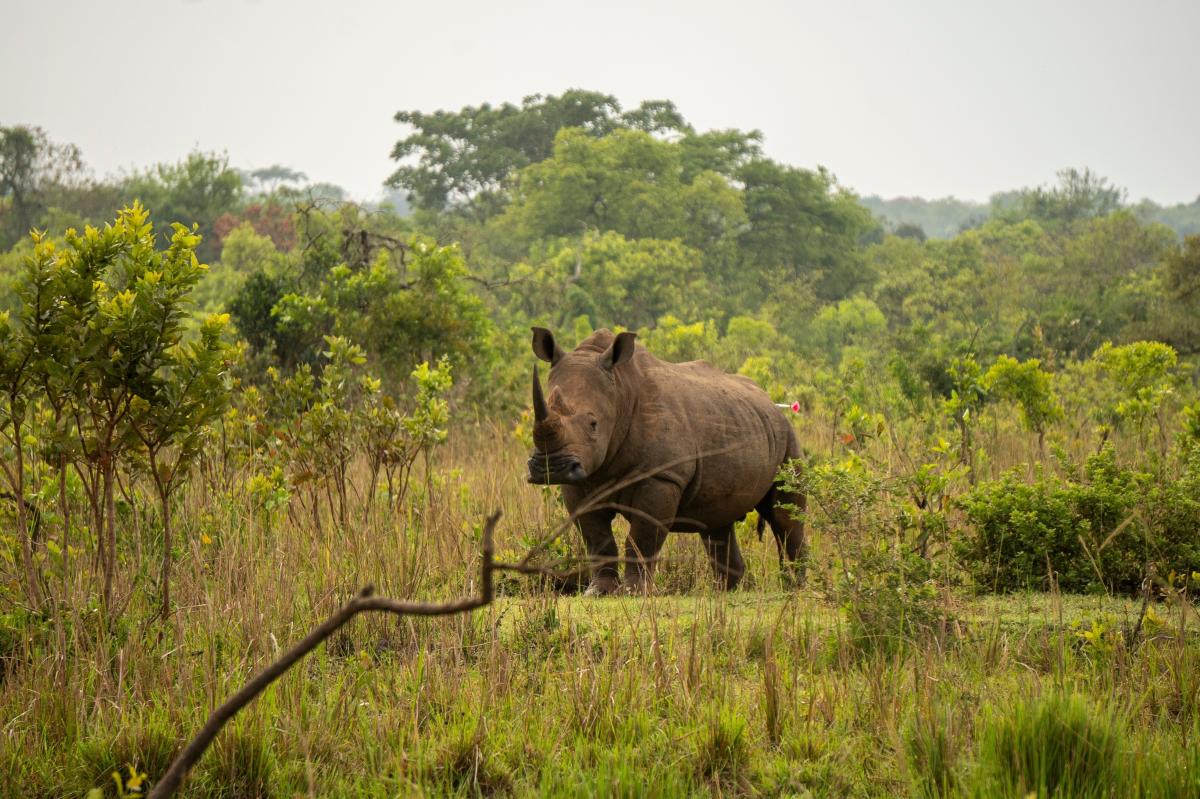
Earlier this week, two southern white rhinos were reintroduced to the park from a private ranch in Uganda. By Thursday, two additional rhinos had joined them, marking the first presence of these animals in Kidepo since 1983. This reintroduction is the result of a successful breeding program at the Ziwa Rhino Sanctuary, located in central Uganda, which began in 2005.
James Musinguzi, the executive director of the Uganda Wildlife Authority, expressed his enthusiasm for the project, stating, “This moment marks the beginning of a new rhino story for Kidepo Valley National Park.” He went on to thank the conservation partners who provided crucial technical expertise, financial backing, and logistical support to make this achievement possible.
The effort to relocate rhinos to Kidepo Valley National Park involved collaboration with numerous conservation organizations, including Global Conservation. This ambitious project transported the animals more than 400 kilometers (about 250 miles) from the Ziwa Rhino Sanctuary to their new home within the park.
The rhinos’ new habitat has been equipped with protective fence lines, access roads, and fire management systems to ensure their safety and well-being. Further plans are in place to expand the rhino population in Kidepo, with additional relocations expected later this year, including rhinos coming from Kenya.
The rhinos’ new habitat has fence lines, access roads, and fire management infrastructure. More rhinos are expected to be relocated there later this year, including some from Kenya.
The rhino translocation “shows that Uganda is stable again for tourism, national parks are being protected, and Ugandans and international visitors can watch rhinos in their natural setting, which will be an incredible feat,” said Jeff Morgan, executive director of Global Conservation.
Poaching remains a problem in Uganda’s protected areas, although enhanced security measures have curbed incidents over the years.
Rhinos are targeted by poachers who kill them because of the high demand for rhino horn products for medicinal and other uses in parts of Asia.
Studies indicate that rhino horn products sold through illegal markets sometimes fetch higher prices than gold.