
Share this @internewscast.com
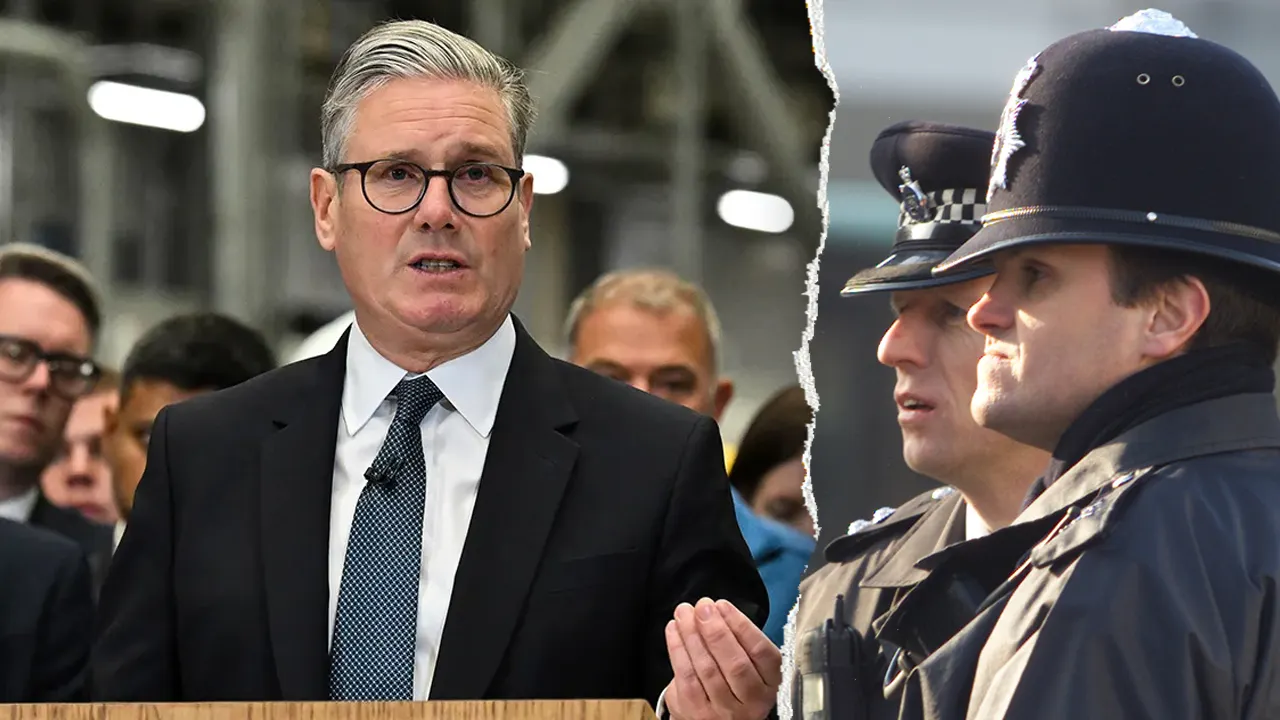
British Prime Minister Keir Starmer is under mounting political pressure following U.K. counterterrorism police’s investigation into old social media posts by Egyptian-British activist Alaa Abd El-Fattah. The prime minister had previously expressed his approval of Abd El-Fattah’s return to Britain after his release from an Egyptian prison.
This week, Abd El-Fattah was compelled to issue an apology for controversial posts from 2008 to 2014. These posts, which emerged shortly after his return to the U.K., contained statements endorsing violence against “U.S. soldiers, Zionists, and police.” One of the tweets read: “From time to time I remind people that I rejoice when U.S. soldiers are killed, and support killing Zionists, even civilians,” sparking political uproar and a counterterrorism review.
Abd El-Fattah arrived in Britain on Boxing Day, having been pardoned by Egyptian President Abdel Fattah el-Sisi. Prime Minister Starmer, who had actively advocated for Abd El-Fattah’s release and prioritized his case, expressed his happiness upon the activist’s arrival in the U.K.
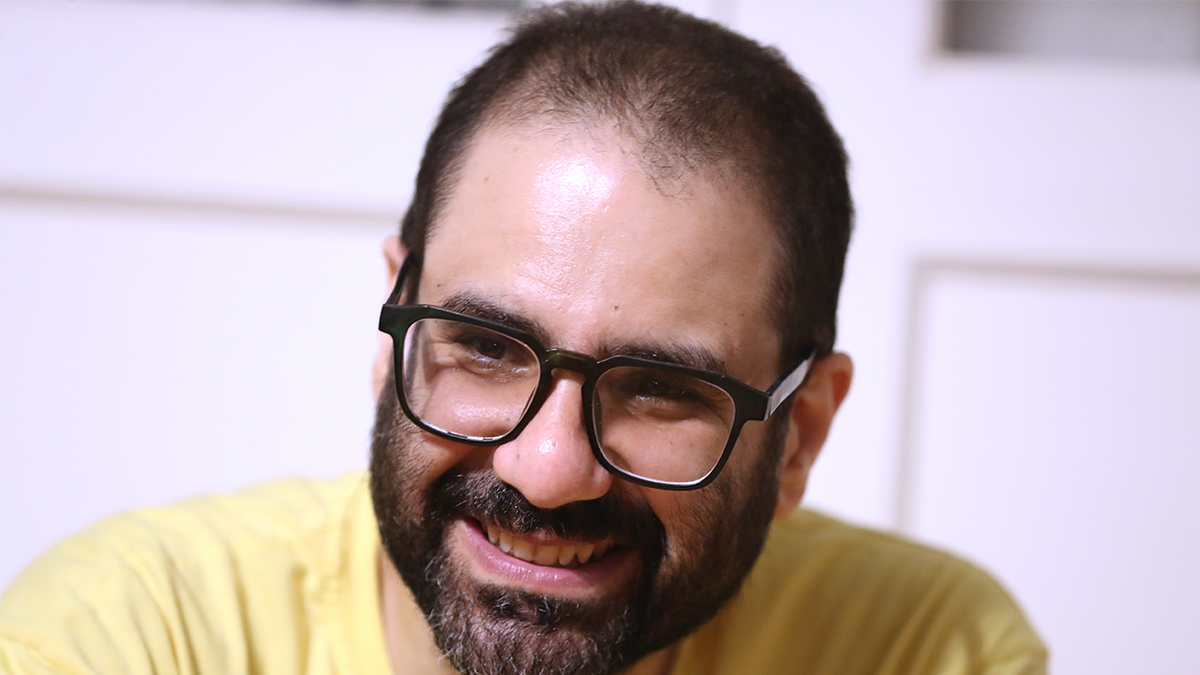
Alaa Abd El-Fattah, a pro-democracy activist who spent nearly 12 of the past years imprisoned, was seen speaking with friends at his home in Cairo after receiving a presidential pardon on Tuesday, September 23, 2025.
The initial warm reception from Starmer has now become a source of controversy. Although Starmer later condemned the old posts as “absolutely abhorrent,” he stated that the government is “taking steps to review the information failures in this case.”
A spokesperson for Counter Terrorism Policing confirmed that authorities have received several public referrals concerning Abd El-Fattah’s past posts. These are now being evaluated by specialized officers from the Counter Terrorism Internet Referral Unit (CTIRU), as reported by GB News.
GB News reported that the posts under review include material in which Abd El-Fattah allegedly described the killing of Zionists as “heroic” and appeared to call for violence against police. One post is reported to have stated, “We need to kill more of them.” Another post is alleged to have read: “By the way I’m a racist, I don’t like white people so piss off.
Foreign Secretary Yvette Cooper ordered an urgent review into what she described as “serious information failures” in the case and said neither she nor Starmer were briefed on the social media posts before Abd El-Fattah arrived in Britain. Cooper said she “very much regrets” the government’s public welcome and that it “added to the distress felt by Jewish communities in the U.K.”
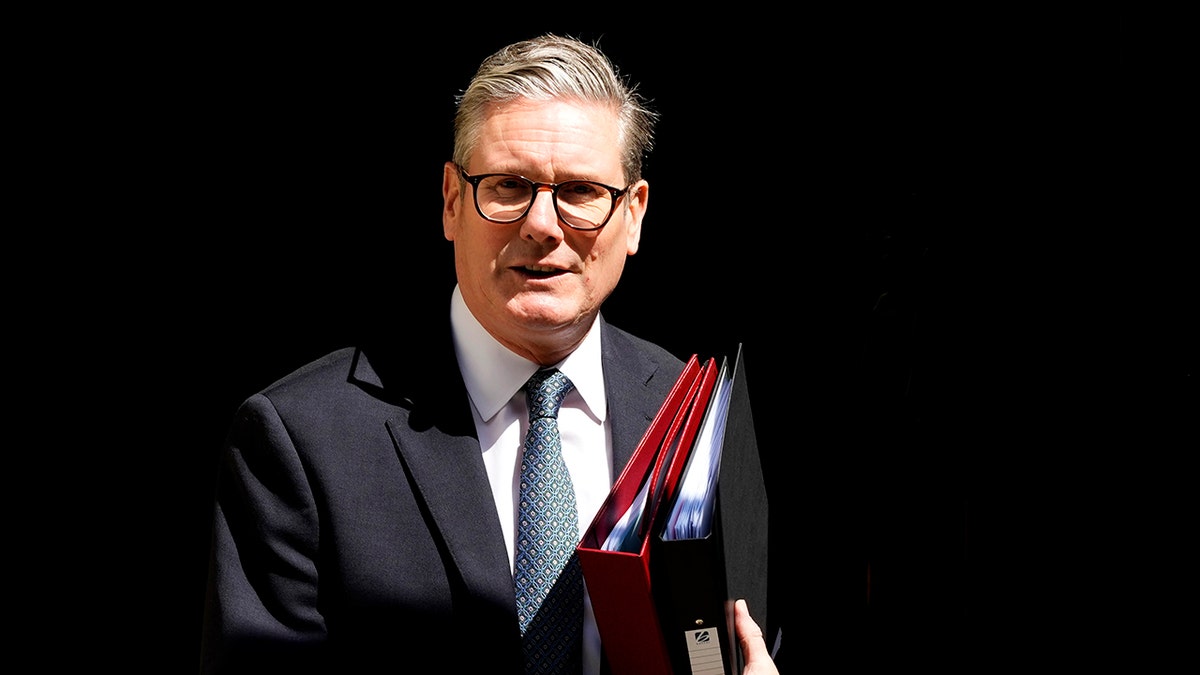
Britain’s Prime Minister Keir Starmer leaves 10 Downing Street to attend the weekly Prime Ministers’ Questions session in parliament in London, Wednesday, July 24, 2024. (AP Photo/Frank Augstein)
Speaking to Fox News Digital, Alan Mendoza, executive director of the Henry Jackson Society, attacked the government’s handling of the case, saying: “The British Government is guilty of incompetence at the very least for having embraced an activist with such an obvious and appalling social media record.”
He continued, “The fact that el-Fattah’s public commentary was not checked by successive administrations allowing him access to first citizenship and consular support and then admission to the U.K. shows how shambolic our institutions have become. There is nothing British about this man beyond a quirk of administration, and he should be stripped of his status immediately and deported on account of who he really is: an enemy of this state.”
Much of the material now under scrutiny dates to between 2010 and 2012, a period during which Abd El-Fattah was an active figure in Egypt’s protest movement, which led the way to the Muslim Brotherhood affiliated Mohamed Morsi seizing power and becoming Egyptian president.
In his apology, Abd El-Fattah said the posts reflected “expressions of a young man’s anger and frustration in a time of regional crises,” including wars in Iraq, Lebanon and Gaza, and rising police brutality in Egypt. He said he particularly regretted posts written during online disputes and acknowledged he “should have known better.”
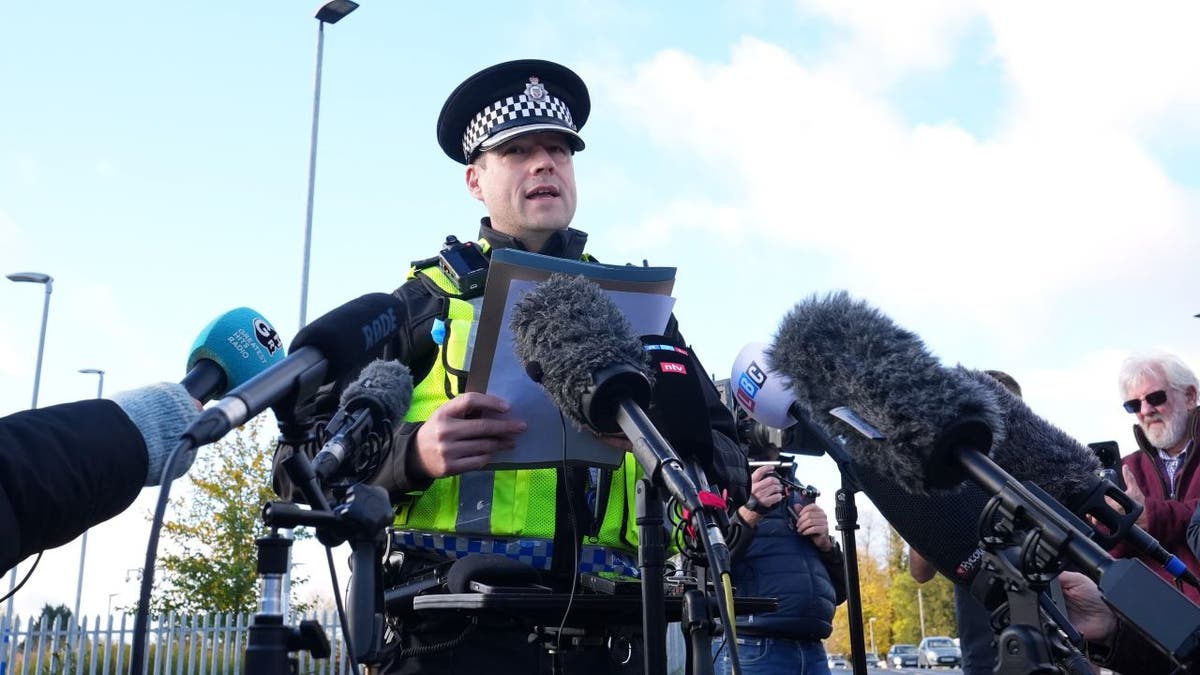
Police Superintendent John Loveless addresses the media in Huntingdon, England, Sunday, Nov. 2, 2025. (AP Photo/Kirsty Wigglesworth)
Opposition lawmakers argue the episode exposes a broader failure of vetting and judgment. Conservative MP Robert Jenrick has dismissed the apology as “scripted and fake” and called for Abd El-Fattah’s removal from Britain, according to GB News.