Share this @internewscast.com
EXCLUSIVE: U.S. Ambassador to the United Nations Mike Waltz is advocating for comprehensive reforms at the U.N., emphasizing the urgent need to prioritize the battle against antisemitism. This comes as the Trump administration seeks to implement significant changes within the organization.
During an exclusive on-camera interview, Waltz highlighted that tackling antisemitism should be a fundamental aspect of any U.N. reform efforts, alongside a broader focus on restoring the organization’s primary objectives of maintaining peace and security.
“The U.N. has a dismal track record regarding antisemitism. It frequently acts as a breeding ground for such hatred,” Waltz remarked. “This administration is resolute in its commitment to combating this issue.”
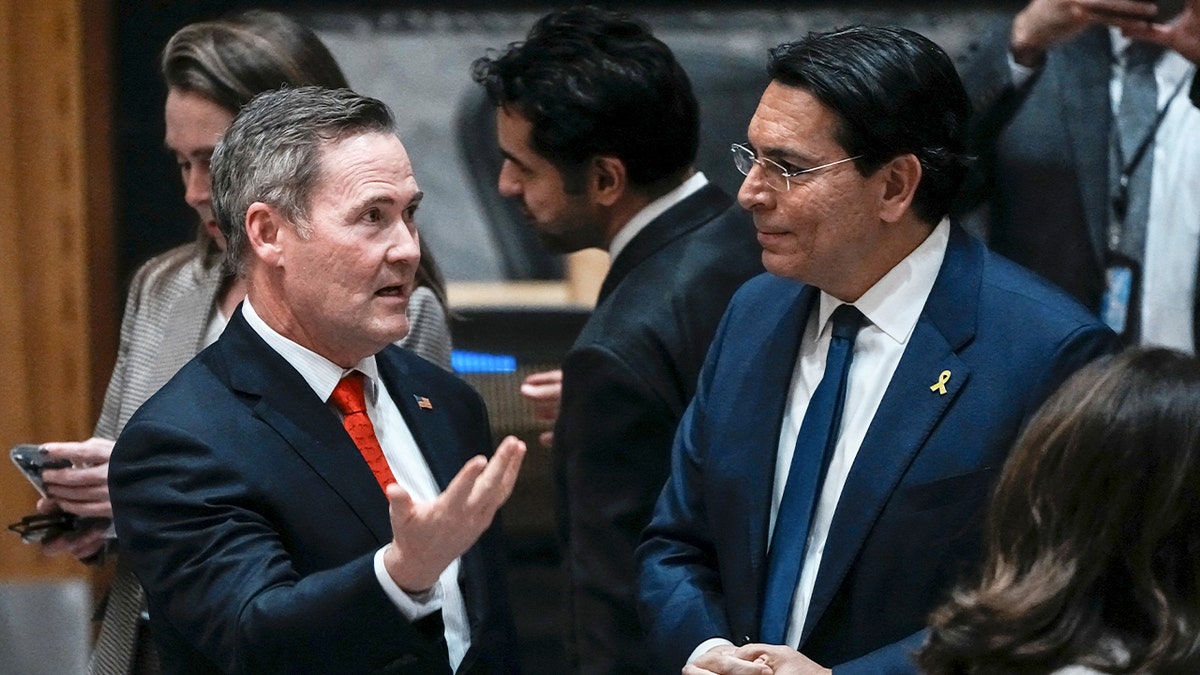
Ambassador Michael Waltz was seen conversing with Israel’s Ambassador Danny Danon ahead of a United Nations Security Council meeting in New York City on November 17, 2025. (Eduardo Munoz/Reuters)
Waltz portrayed the challenge as both pressing and historical, connecting the increase in global antisemitism and the repercussions of the October 7 Hamas attacks to what he believes should be a revitalized dedication within international bodies.
“We must adhere to the principle of ‘never again,'” Waltz asserted. “With the global rise in antisemitism, especially following the events of October 7, it is imperative that we uphold this commitment.”
Waltz pointed to Holocaust remembrance and survivor testimony as essential tools in combating denial and historical revisionism, saying education must be central to any U.N. response.
“It’s about education. It’s about fighting back on these ridiculous denials of the Holocaust,” he said. “But most importantly, while we still have them, it’s about hearing from the survivors and hearing their personal stories.”
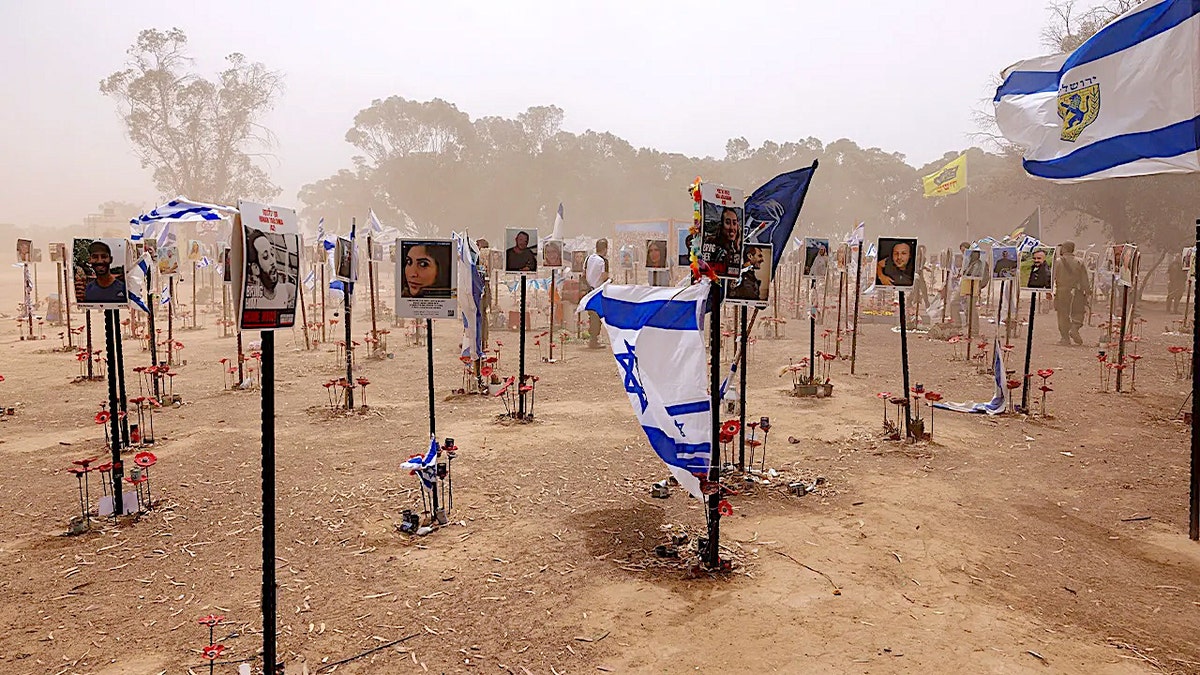
Memorials at the site of the Oct. 7 Hamas terror attack on the Supernova music festival near Kibbutz Re’im, Israel, on May 27, 2024. (Kobi Wolf/Bloomberg via Getty Images )
He added that U.N. forums should elevate survivor testimony rather than political messaging.
“My recommendation to the U.N. is, get the diplomats and the politicians out of the way, let’s just hear from the survivors because their stories are compelling, they are tragic, they need to be heard and documented, and they certainly can’t ever be denied,” Waltz said.
The ambassador’s remarks come as the administration calls for broader structural reform at the United Nations, including changes to how it approaches development aid, humanitarian operations and leadership.
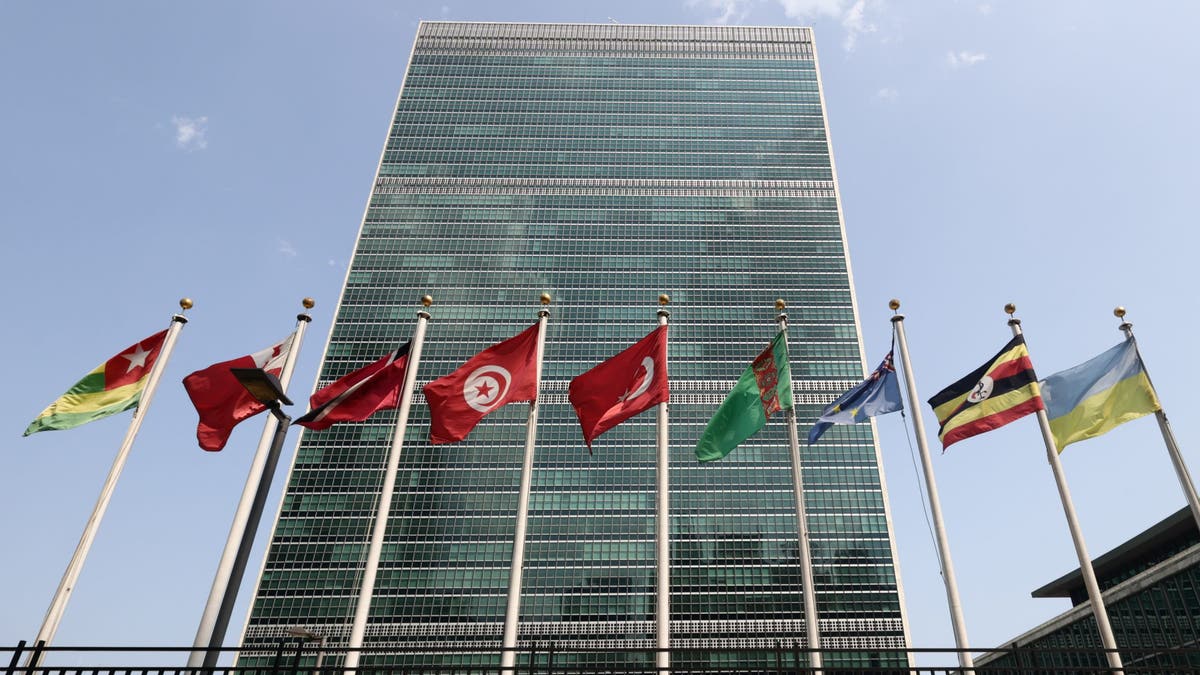
The United Nations in New York City on July 16, 2024. (Jakub Porzycki/NurPhoto via Getty Images)
Waltz said Washington wants to see a more focused institution centered on conflict prevention and peacekeeping, with less reliance on traditional aid frameworks.
“I see, and I think what the president sees, is a much more focused U.N. that we have taken back to the basics of promoting peace and security around the world and enforcing peace when conflict breaks out through its peacekeeping forces,” he said.
The push for reform comes against the backdrop of long-standing criticism from U.S. officials and watchdog groups over how Israel is treated within the U.N. system and concerns about antisemitism linked to some U.N.-affiliated bodies.
The United Nations Relief and Works Agency for Palestine Refugees (UNRWA) has faced mounting scrutiny in recent years. Reports by education monitoring organizations documented content in materials used in UNRWA-linked classrooms that delegitimizes Israel or includes antisemitic themes.
Media investigations after Oct. 7 further intensified attention on the agency, with allegations involving staff and militant ties triggering donor freezes and internal probes.
An independent review commissioned by the United Nations acknowledged neutrality challenges and recommended stronger oversight and vetting mechanisms.

Photos released by the Israel Defense Force show three individuals that the Israeli military claims are Hamas terrorists inside an UNRWA compound in Rafah. (IDF)
Beyond UNRWA, critics have pointed to structural patterns across the U.N. system. Israel remains the only country assigned a permanent agenda item at the U.N. Human Rights Council, mandating discussion at every session.
At the General Assembly, Israel has frequently been the subject of more country-specific resolutions than any other state in many annual sessions.
Successive U.S. administrations have described that focus as disproportionate.
U.N. officials reject the characterization of institutional antisemitism, arguing that scrutiny reflects the scale and duration of the Israeli-Palestinian conflict and humanitarian concerns, and pointing to reforms underway within agencies, including UNRWA.
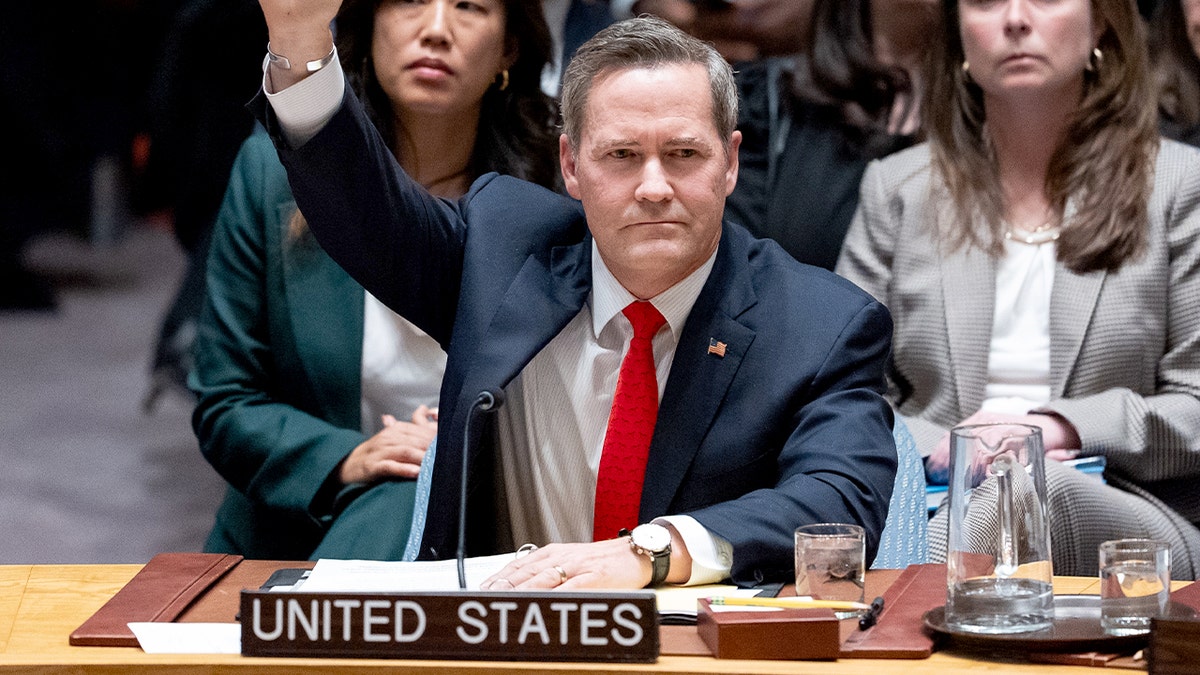
Ambassador Mike Waltz raises his hand to vote in favor of a draft resolution authorizing an International Stabilization Force in Gaza on Nov. 17, 2025. (Adam Gray/Getty)
Waltz said confronting antisemitism must remain a priority as the U.N. prepares for leadership changes and debates over its future direction. He placed combating antisemitism within that broader reform push, alongside other policy priorities and future leadership decisions at the world body.
“So those are just some of the things in addition to… taking on antisemitism… getting… good, strong leadership in the U.N. going forward that we hope to get done during our time here.”