
Share this @internewscast.com

Throughout New York, countless elderly and medically vulnerable individuals find themselves in prolonged hospital stays—not due to a need for urgent care, but because nursing homes are financially unable to admit them under existing Medicaid reimbursement rates. This situation leaves families in a state of anxiety, congests hospital operations, and stretches healthcare staff to their limits. The chronic underfunding of Medicaid is not only undermining the dignity of the elderly but also placing immense pressure on the entire healthcare system.
On January 12, Modern Healthcare highlighted concerns long voiced by healthcare providers: inadequate Medicaid reimbursements are causing delays in hospital discharges, compelling nursing homes to restrict the number of Medicaid patients they accept, and resulting in widespread system inefficiencies.
Data from the state and insights from hospital administrators underscore a worsening scenario. The increasing number of delayed discharges now contributes to thousands of additional hospital bed days each month, amplifying costs and reducing capacity especially during flu outbreaks, COVID-19 spikes, and other public health crises. This gradual strain has evolved into a severe statewide issue affecting patients across the board.
New York finds itself at the heart of this dilemma. As reported by the New York State Health Facilities Association and care providers, Medicaid supports 85% of nursing home residents in the state, compared to approximately 63% nationwide. However, the reimbursements cover only 75-80% of the actual care expenses.
Scott LaRue, CEO of ArchCare, which operates seven nonprofit nursing homes in New York, succinctly expresses this challenge in the Modern Healthcare report: “The only way to sustain operations is by increasing the number of fee-for-service Medicare patients.” Even nonprofits like ArchCare, driven by their mission, have had to reduce their Medicaid patient services to remain financially viable.
The repercussions extend beyond the confines of nursing homes. Hospitals are becoming overcrowded, emergency departments are seeing increased traffic, elective surgeries are postponed, and costs escalate as patients occupy high-acuity beds longer than necessary. Families are left in a state of uncertainty, contending with extended stays, higher risks of complications, and limited options. In rural areas, hospitals sometimes hold patients for days due to a shortage of available nursing home beds, while urban centers like Queens and the Bronx face similar challenges as families struggle to secure placements.
The New York Coalition for Dignity in Aging shows this is statewide: hundreds of facilities, tens of thousands of residents, and thousands of staff are affected.
Stephen Hanse, president & CEO of NYS Health Facilities Association states: “The availability of nursing home care is essential to ensuring access to hospital care for older adults and people who still need daily assistance. When nursing home beds are unavailable, patients who are ready to leave the hospital have nowhere to go. They stay in hospitals longer than necessary, families wait and worry, and seniors miss the rehabilitation and daily care that would help them recover. In short, as beds disappear, hospitals back up, costs rise, and patients pay the price.”
Underfunding nursing homes doesn’t save money — it shifts costs elsewhere into longer hospital stays, readmissions, crowded emergency rooms, and delayed care.
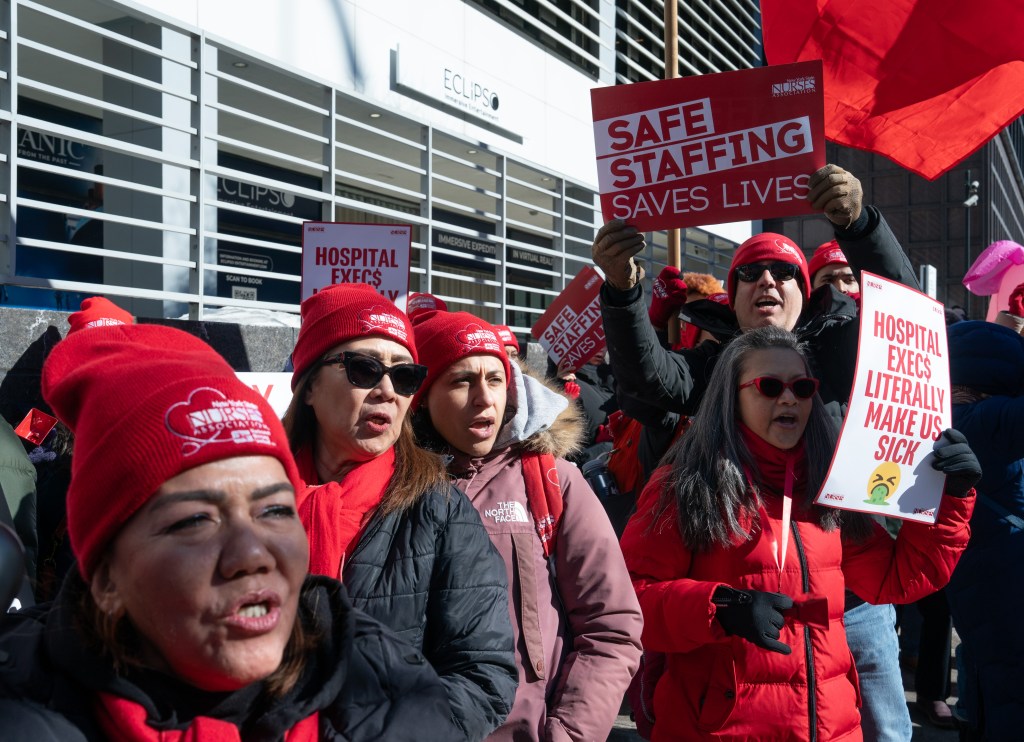
Nearly 15,000 nurses at major New York City hospitals have walked off the job — the largest nurses’ strike in city history — over staffing, safety, pay, and benefits. That walkout shows how workforce stress touches every part of the system: when Medicaid underfunds nursing homes and patients back up in hospitals, nurses bear the consequences with heavier workloads, unsafe staffing levels, and worsening burnout. Today’s picket lines highlight both a patient care and workforce crisis — two sides of the same strain on our health system.
The upcoming state budget gives Albany a choice: keep shortchanging nursing homes and let patients sit in hospitals with nowhere to go, or pay for care properly, support the staff who do the work, and make sure every New Yorker has access to high quality long term care.
Addabbo is a Queens state senator. Hevesi is a Queens assemblyman.