
Share this @internewscast.com

This past June, New York’s electric grid endured a significant challenge. As the mercury climbed and energy demand skyrocketed, the New York Independent System Operator (NYISO) found itself issuing several emergency energy alerts. These warnings served as immediate indicators that the grid was teetering under the intense pressure of the summer’s energy consumption. The situation this summer has underscored a crucial point: to ensure future reliability, an increase in electric supply is essential.
Our recent findings, detailed in the 2025 Quarter 3 Short-Term Assessment of Reliability (STAR), highlight a concerning deficiency in transmission security within New York City as early as 2026. This shortfall suggests that without intervention, the grid may falter under disturbances such as short circuits or unexpected generator failures, posing not only technical challenges but also significant public safety risks.
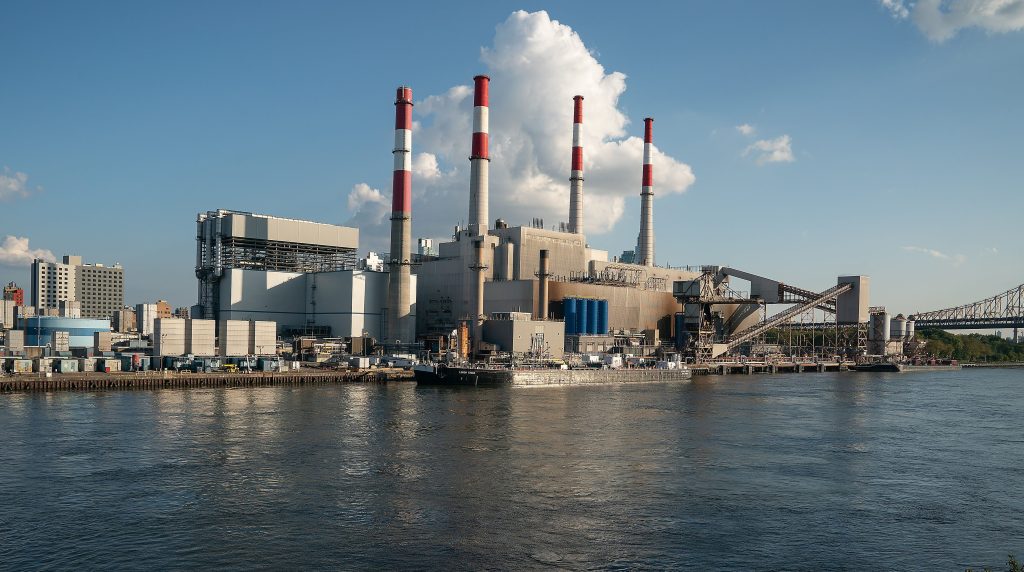
The June 2025 events were not isolated incidents; rather, they are indicative of deeper vulnerabilities within our energy infrastructure. Presently, New York’s generation fleet comprises approximately 40,000 megawatts, with about 7,000 megawatts of that total exceeding 50 years in age. Some of these generators are even over 70 years old, surpassing the typical retirement age for such equipment within the industry.
These aging assets exhibited a higher failure rate this summer when they were called upon to meet consumer demand. The STAR report also highlights that the challenges associated with relying on an aging fleet will become increasingly severe as electricity demand continues to rise. This demand is driven by factors such as economic growth, the electrification of the building and transportation sectors, and the growing use of air conditioning during heat waves.
Although projects like the Champlain Hudson Power Express (CHPE) and the Propel NY transmission project are steps in the right direction, they alone are not sufficient to address the impending challenges. We must expedite the development of new generation resources, focusing particularly on more adaptable assets capable of swiftly responding to grid stress. Additionally, modernizing transmission infrastructure is crucial to ensure that power can be efficiently directed to areas where it is most needed.
If we fail to take immediate action, we face the risk of power outages, economic disruptions, and potential public health threats during peak summer months.
But addressing these challenges is not as simple as flipping a switch. The industry faces significant constraints in the energy supply chain. The cost of transformers, conductors, and other critical grid components has risen sharply due to inflation, global demand, and material shortages. Lead times for new equipment and construction projects have stretched from months to years. Even when funding is available, permitting and siting can delay projects well beyond the timelines of our reliability needs.
We must pursue an “all of the above” approach to energy resource development. Renewables like offshore wind, battery storage and solar are essential to our long-term decarbonization goals, but they must be complemented by firm, dispatchable resources. This includes new, cleaner fossil fuel generation — such as high-efficiency gas turbines with much lower emissions profiles — that can provide reliability when the sun isn’t shining and the wind isn’t blowing.
This is not a call to abandon our state’s climate goals. It is a call to balance them with the urgent need for reliability, certainty and resilience. The grid must be both clean and dependable. Safe and flexible. We cannot afford to choose one at the expense of the other. Issues of health and safety and supporting the economy and environment are paramount.
The STAR report is a clear signal: we are running out of time. We need coordinated action now — across industries, and government — to invest in the infrastructure that will power New York City safely and reliably, while lowering emissions.
New York City deserves a grid that is as resilient and dynamic as the people it serves. The future of our energy system — and the safety of millions — depends on it. Let’s rise to the challenge.
Nelson is chief operating officer and executive vice president of the New York Independent System Operator. The NYISO is the nonprofit, independent organization responsible for managing New York’s electricity grid and wholesale electricity markets. Every year, the NYISO evaluates the grid’s ability to meet consumer demand reliably, factoring in weather extremes, fuel availability, generator performance, and evolving energy policies.