
Share this @internewscast.com
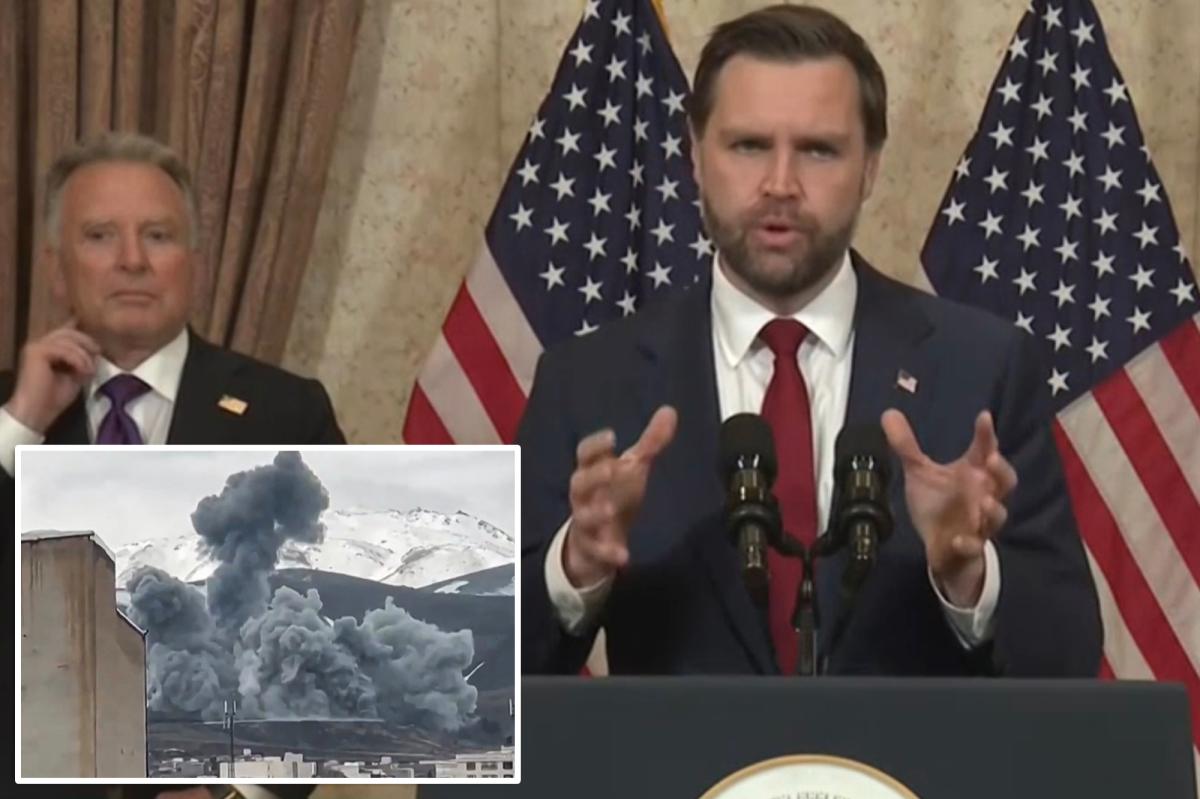
ISLAMABAD, Pakistan — Despite intensive peace negotiations held in Pakistan, Vice President JD Vance announced that no resolution was reached with Iran to end the ongoing six-week conflict in the Middle East.
The talks, which spanned approximately 21 hours, offered little public insight, leading to widespread speculation about the outcomes of the prolonged conflict.
“We’ve engaged in about 21 hours of intense discussions with Iranian representatives, and we’ve made some significant progress,” Vance informed reporters gathered in Islamabad.

“Unfortunately, we have not been able to finalize an agreement. This is more disadvantageous for Iran than it is for the United States. We’re returning to the U.S. without an agreement in place,” he added.
One of the primary obstacles in the discussions was Iran’s reluctance to halt its nuclear weapon development program.
“It’s critical for us to receive a clear commitment from Iran that they will not pursue nuclear weapons or the necessary technology for rapid development,” Vance emphasized to reporters. “This remains a central objective for the U.S. president, and it’s been our focus throughout these negotiations.”
Follow The Post’s coverage of the United States’ airstrikes on Iran:

For weeks, the two sides have been far apart on negotiations, with the Iranians demanding total sovereignty over the Strait of Hormuz, the right to enrich uranium, no limits on their ballistic missiles program and reparations for infrastructure damaged in the war.
While the Trump administration’s top priorities are to reopen the strait to allow oil to again flow freely crushing Iran’s nuclear enrichment program to stop it from building a nuclear bomb.