
Share this @internewscast.com
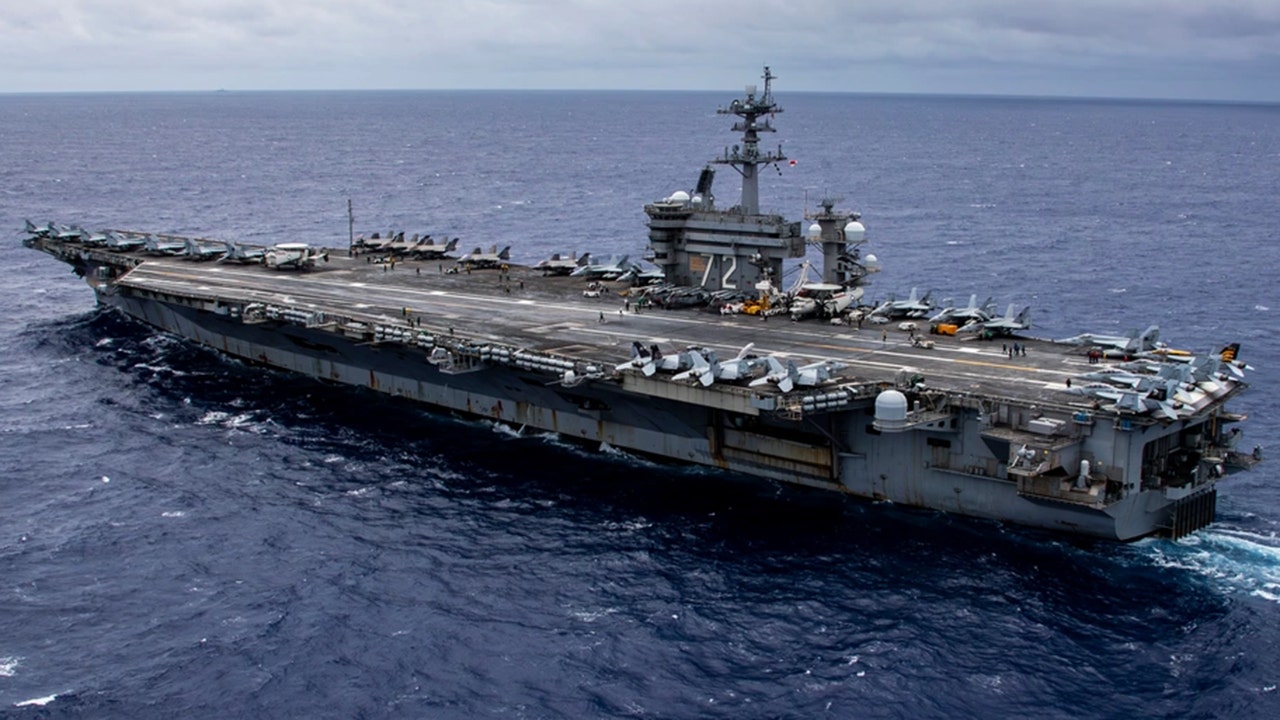
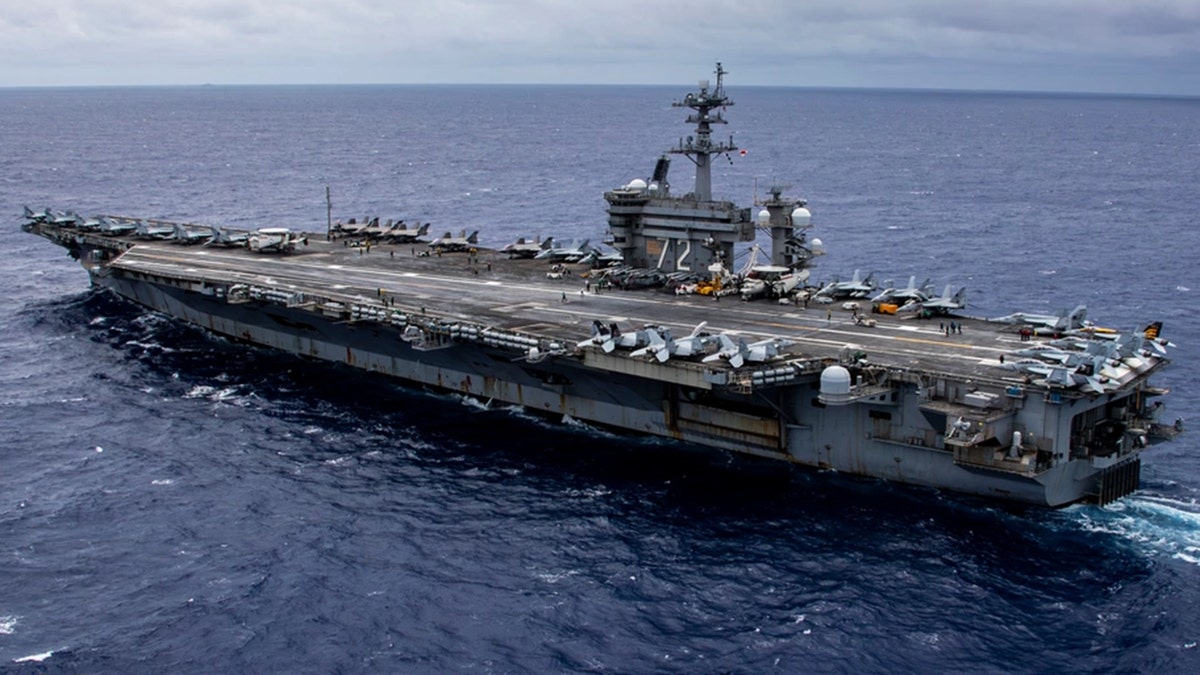
Amid escalating tensions with Iran, the USS Abraham Lincoln aircraft carrier has navigated into the waters overseen by the United States Central Command (CENTCOM) in the Indian Ocean. This strategic move, confirmed by a senior U.S. official to Fox News on Monday, underscores the growing concern over potential threats from Iran.
Speculation about Iran’s intentions has intensified with reports suggesting that Ayatollah Ali Khamenei, the country’s Supreme Leader, has gone into hiding. Such actions hint at possible military preparations by Iran. On Sunday, a prominent U.S. drone expert highlighted the significant threat posed by Iran’s drone capabilities. According to the expert, these drones could present a serious challenge to the USS Abraham Lincoln and its accompanying strike group.
Despite its presence in the region, the USS Abraham Lincoln is reportedly not yet equipped to engage in any forthcoming military strikes against Iran. This assessment was shared by a high-ranking U.S. official, indicating that while the carrier is strategically positioned, it remains in a preparatory phase.
Cameron Chell, CEO and co-founder of Draganfly, shed light on Iran’s drone strategy during an interview with Fox. He described how Iran has effectively developed an asymmetric threat by utilizing drones that are both low-cost and capable of carrying warheads. These drones utilize inexpensive delivery systems, creating a formidable challenge for even the most advanced military defenses.
Chell further explained that Iran’s ability to deploy numerous, albeit relatively basic, drones poses a significant risk through saturation attacks. These attacks have the potential to overwhelm traditional naval defenses, highlighting the necessity for enhanced countermeasures in the face of such threats.
Chell said Iran can launch large numbers of relatively unsophisticated drones directly at naval vessels, creating saturation attacks that could overwhelm traditional defenses.
“If hundreds are launched in a short period of time, some are almost certain to get through,” Chell said.
“Modern defense systems were not originally designed to counter that kind of saturation attack. For U.S. surface vessels operating near Iran, warships are prime targets,” he added.

Reports say Iranian Supreme Leader Ayatollah Ali Khamenei has gone underground. (Majid Saeedi/Getty Images)
U.S. officials say Washington is reinforcing its military posture in response to growing instability inside Iran, boosting its presence by air, land and sea, while closely monitoring developments in Syria.
A squadron of F-15 fighter jets has deployed to the region, and C-17 aircraft carrying heavy equipment have arrived.
Chell noted that U.S. and allied militaries are rapidly developing defenses but uncertainty over new capabilities on the USS Abraham Lincoln carrier groups for managing multiple Iranian drones flying in formation remains. He emphasized that Iran’s drone fleet is a concern.
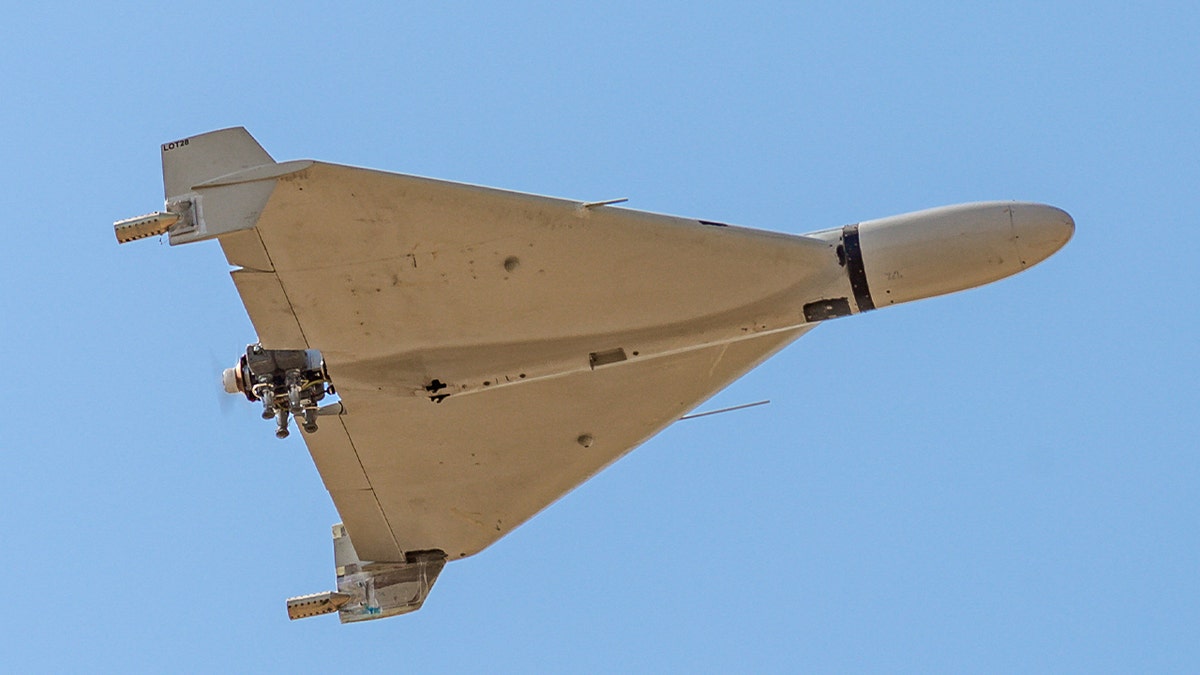
Iranian drone swarms could pose a threat to the U.S. (Getty Images )
“These drones give Iran a very credible way to threaten surface vessels,” he said. “U.S. assets in the region are large, slow-moving and easily identifiable on radar, which makes them targetable.”
“Iran’s strength lies instead in these low-cost, high-volume drone systems — particularly one-way strike drones designed to fly into a target and detonate,” he said.