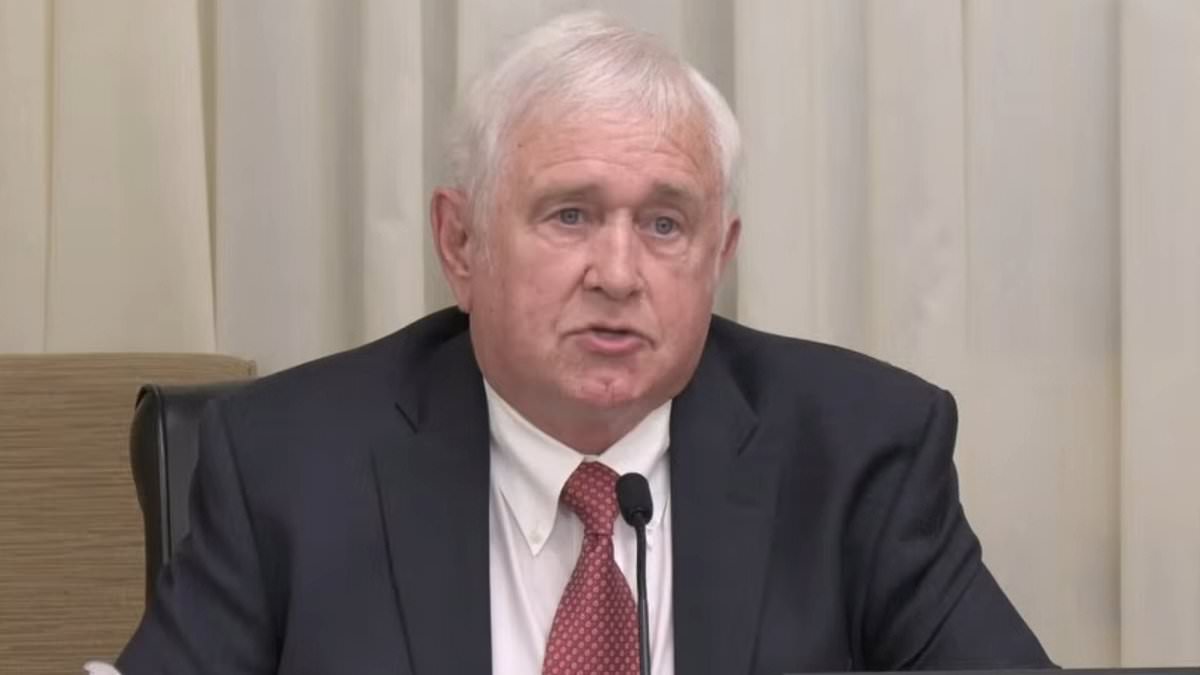

A millionaire from Minnesota managed to collect over $6,000 in food stamps, funded by taxpayers, by taking advantage of a lesser-known state regulation, exposing how eligibility for such benefits can surpass usual income restrictions.
Rob Undersander, a retired engineer who assists seniors with understanding government aid, applied for food stamp benefits in 2016 in Stearns County. Despite having assets that exceeded typical limits, he was approved in just a few weeks.
For 19 months, he received benefits totaling more than $6,000. This was facilitated by being given a basic domestic violence services brochure, which, under Minnesota’s rules, qualified as a benefit.
Undersander explained that he wanted to test the system after learning during training that in Minnesota, eligibility could be based solely on income, thus allowing individuals with considerable assets to qualify. Even though his retirement income was low, it made him eligible, and he eventually donated the funds to charity.
“I am a strong advocate for SNAP benefits for those genuinely in need,” Undersander told Fox News Digital. “However, when nearly one in seven Americans receives food support in the wealthiest nation with a historically low unemployment rate, there’s a problem.”
“The current eligibility rules might be considered ‘fraud by design.’ Given the prevailing issues of fraud and misuse of taxpayer-funded benefits in Minnesota, I am hopeful for a new bipartisan effort to address and eradicate these problems,” he added.
He testified before the Minnesota House Public Safety Committee on March 24 during a hearing on a SNAP reform bill introduced by GOP state Representative Pam Altendorf.
‘I have purchased lobster and filet mignon on my EBT card,’ he told Fox News Digital. ‘Isn’t that crazy?’

Rob Undersander said he applied to SNAP in 2016, qualified through a domestic violence brochure, and collected benefits for 19 months before donating the money

Undersander said he applied to test the system after discovering during training that Minnesota eligibility could be based on income alone, allowing people with substantial assets to qualify
His case has drawn renewed attention as Minnesota grapples with a wider public benefits fraud scandal that officials warn could reach tens of billions of dollars, with lawmakers weighing tighter eligibility rules.
Under federal rules, people can access the Supplemental Nutrition Assistance Program, or SNAP, either by meeting financial thresholds or by qualifying for other welfare-related benefits.
States are given flexibility in determining what counts as a qualifying benefit, which can include non-cash services such as informational materials or access to support programs.
That flexibility stems from guidance introduced in 1999 under the Bill Clinton administration and later expanded during the Barack Obama administration.
The policy is commonly referred to as Broad-Based Categorical Eligibility and is currently used in more than 40 states and Washington, DC.
Government data shows that SNAP serves tens of millions of Americans each year, including working families, children, older adults and people with disabilities.
The program is also subject to annual reviews that track payment accuracy, including both overpayments and underpayments.
SNAP spending reached $128 billion in 2021 and $127 billion in 2022, driven in part by expanded access during the pandemic.

Minnesota Governor Tim Walz testifies during the House Oversight and Accountability Committee hearing investigating fraud in Minnesota state social services, on Capitol Hill in Washington, DC, on March 4, 2026

On October 31, 2025, a small group of activists from Minnesota based rights groups held a press conference to discuss the impact of the government shutdown and resulting cuts to SNAP (Supplemental Nutrition Assistance Program) assistance
Last year, the program cost $99.8 billion, with participants receiving an average of $187 in monthly benefits, according to federal data.
In Minnesota, benefits totaled nearly $725 million in 2020 before rising to almost $2 billion in 2021, marking a 174 percent increase in a single year.
A federal policy set to take effect in 2027 will require states with higher payment error rates to share a portion of SNAP costs, a shift that could prompt some states to revisit how eligibility is determined.
A proposed bill in Minnesota would tighten eligibility rules by requiring stricter income and asset verification before applicants can enroll.
Over the past decade, Undersander has become a vocal advocate for reform, including testifying before Congress, but has said little has changed.
Some states have already moved to scale back expanded eligibility rules, while federal officials have proposed changes in the past, including during the administration of Donald Trump.
Undersander’s case underscores how current rules can operate in practice, particularly in states that have adopted broader eligibility standards.
The Daily Mail has reached out to Undersander, Tim Walz’s office, Representative Altendorf, and Minnesota’s Department of Children, Family and Youth.


