
Share this @internewscast.com

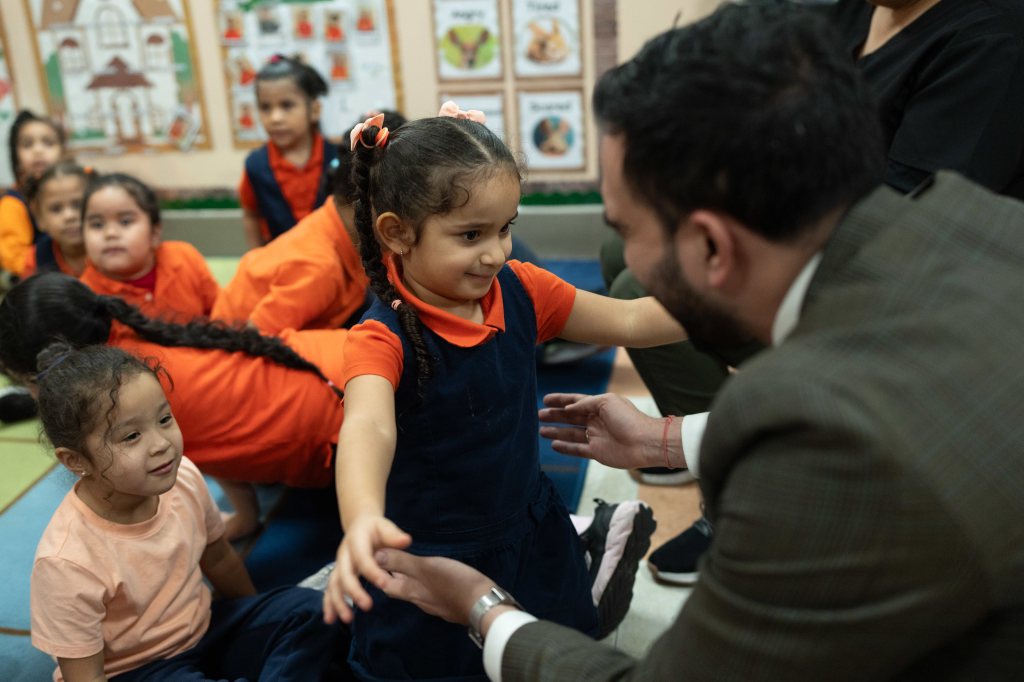
Luisa starts her day in the Bronx before the sun is up, meticulously going over her schedule. She anticipates the arrival of an infant at 6 a.m., a toddler who will be with her until 7:30 p.m., and a preschooler whose mom will collect him after her hospital shift. Luisa is attuned to each family’s unique rhythms, from favorite playthings to dietary restrictions, early nappers, and the grandmother who calls every afternoon via WhatsApp.
This is the essence of home-based child care in New York City: deeply personal, adaptable, and crucial. Yet, as the city moves toward establishing a universal child care system, this indispensable service risks being overshadowed.
Zohran Mamdani ascended to the mayoral office by connecting with the backbone of New York: halal cart vendors, bus operators, couriers, home health professionals, elder caregivers, sanitation crew, and bodega proprietors. He envisioned a city where they could sustainably live, nurture their families, and prosper. Achieving this vision starts with supporting caregivers like Luisa.
Throughout the city’s five boroughs, over 6,000 licensed home-based child care (HBCC) providers serve New York families daily. For numerous residents, especially immigrants, shift workers, single parents, and those with young children, HBCC is often the only viable option.
A mere 8% of child care centers accommodate hours beyond the standard 9-5. Yet, countless New Yorkers do not adhere to a conventional office schedule. For them, the neighbor who opens her doors at 5:30 a.m. is not just a convenience; she is essential to their employment.
In discussions about establishing universal child care, this is where the city’s focus must start.
New York City doesn’t have to construct a universal child care system from scratch. HBCC programs have capacity for more than 85,000 children. They’re in every neighborhood, near every train line, and rooted in every culture and language spoken here.
Despite their essential role, thousands of HBCC programs have closed in the past decade because of low pay, unpredictable enrollment, and limited access to public funding. These small businesses operate on margins so thin that a broken refrigerator or two months of delayed reimbursement can mean shutting down for good.
If the city starts its universal child care system with HBCC, we could expand care immediately, without needing new buildings or new workers.
Home-based child care providers are overwhelmingly women — many Black, Brown, and immigrant — who have kept the city’s children safe and learning long before “essential worker” became a household term. They care for infants and toddlers, children with special needs, and families who need flexibility, trust, and cultural connection.
Yet the people who do this work often live at the economic margins themselves.
They show up for everyone else’s children even when they’re unsure how they’ll cover their own groceries. They work 10, 12, 14-hour days so someone else can keep their job, take a second shift, or pursue a degree.
Cities that have expanded pre-K without investing in home- and community-based care have learned this lesson the hard way. A school-based vision of universal child care cannot serve a nurse who leaves for work at 4 a.m. or a delivery worker returning home after 8 p.m. It cannot meet the needs of a home health aide whose shifts change weekly. Universal child care must meet families where they are — not ask families to fit into a system never designed for them.
If New York wants a child care system that is truly universal, it should:
- Stabilize and strengthen home-based child care businesses across the five boroughs.
- Pay home-based educators professionally and predictably.
- Build governance structures that include HBCC providers in decision-making.
- Invest in neighborhood-driven, culturally grounded innovation.
Mamdani promised a New York that works for working people. Beginning his universal child care plan with home-based child care is the most effective, equitable, and authentic way to deliver on that promise.
If New York builds its child care system on the foundation that already holds this city together, providers like Luisa and thousands like her, then universal child care won’t just be a policy achievement. It will be a declaration of who this city values, and who it wants to build a future for.
Jones is the CEO of ECE on the Move, an advocacy organization supporting 800 home-based child care providers and parents in New York City. Renew is the executive director of Home Grown, a national collaborative working alongside 38,000 home-based child care providers to build a child care system that works for all families.