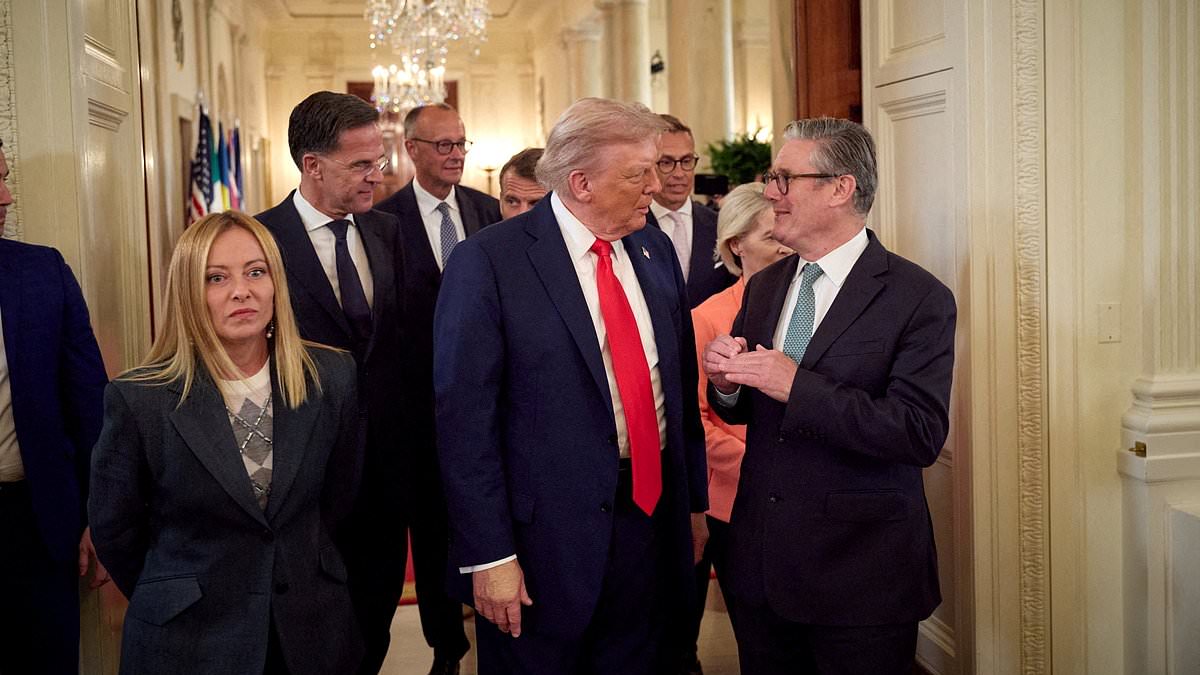

French President Emmanuel Macron has unveiled plans for a diplomatic summit in Paris, co-hosted with the United Kingdom, to tackle the ongoing crisis in the Strait of Hormuz. Notably absent from the invitation list is U.S. President Donald Trump.
Macron took to the platform X to emphasize the urgent need to reopen the strategic strait “as soon as possible.”
This announcement came after Macron engaged in discussions with Iranian President Masoud Pezeshkian. The French leader stated that the gathering will include “non-belligerent countries willing to join us in a multilateral and purely defensive mission to restore freedom of navigation in the strait once security conditions permit.”
The term “belligerent” likely refers to nations such as Israel, the United States, and Iran, which are significantly involved in the regional tensions.
This initiative reflects a growing trend among European countries to sideline President Trump in their Middle East post-conflict strategies. The emerging coalition aims to deploy military assets and support mine-clearing efforts to secure passage for commercial vessels through this crucial maritime corridor.


Strait of Hormuz Confusion
Meanwhile, in a Wednesday morning interview, President Trump declared the Strait of Hormuz “permanently open,” following covert discussions with Chinese President Xi Jinping, during which Xi reportedly agreed to cease arms supplies to Iran.
But the White House told the Daily Mail later contradicted the claim from the President, saying the blockade continues.
‘The United States doesn’t need help from any other country – the blockade is working perfectly, implemented by the greatest Navy in the world, while Iran’s navy is at the bottom of the ocean,’ White House spokeswoman Olivia Wales responded.
French diplomats believe Trump’s participation would make their proposals less attractive to Tehran and jeopardize diplomatic progress, sources familiar with the matter told the Wall Street Journal.
However, British officials have reportedly expressed concern that sidelining the US leader would enrage Trump and create further diplomatic obstacles.
British Prime Minister Keir Starmer has indicated he wishes to remain distanced from the ongoing friction between Washington and Tehran.

Beyond the Blockade
‘We’re not supporting the blockade,’ Starmer told the BBC. ‘My decision has been very clearly that whatever the pressure, and there’s been some considerable pressure, we’re not getting dragged into the war.’
The coalition’s primary objective is to ensure shipping companies feel confident in safe passage through the Strait of Hormuz once active hostilities end. The strategy includes plans to rescue stranded ships, execute de-mining operations to remove Iranian mines, and establish a program for military personnel.
French Foreign Minister Jean–Noel Barrot noted Tuesday that the mission is contingent on regional stability.
‘The mission we are referring to could only be deployed once calm has been restored and hostilities have ceased,’ Barrot said.
Germany is likely to join the operation and could officially commit to the plan as early as this week, according to the Journal.
The White House did not immediately respond to a request for comment.

The Rutte Realignment
President Trump has often ripped into NATO allies for doing ‘nothing’ to help secure Hormuz during his war on Iran – and has threatened to pull the US out of the alliance.
During a high–stakes encounter hours after a closed–door meeting with the President, the Daily Mail cornered NATO Secretary–General Mark Rutte with several inquiries.
Rutte was asked by the Daily Mail whether he truly believes Trump will maintain America’s commitment to NATO after their meeting.
Rutte said last week that member countries are doing everything Trump had requested to strengthen the military alliance, even if some were initially ‘a bit slow’ to provide support to the US amid its war with Iran.
‘Some allies were a bit slow, to say the least,’ Rutte said. ‘In fairness, they were also a bit surprised.’
Rutte described a ‘mindset shift’ in Europe which he claimed was evidenced by the UK leading a coalition of countries to help reopen the Strait of Hormuz.
Trump told Rutte that words from NATO allies are no longer enough – he wants action.
Writing on Truth Social, Trump said last week: ‘None of these people, including our own, very disappointing, NATO, understood anything unless they have pressure placed upon them!!!’
During his speech, Rutte heaped praise on Trump as he admitted Europe must step up its spending on the alliance.
He said: ‘We must applaud Trump for his bold leadership and vision’.
Share your thoughts with us in the comments


