
Share this @internewscast.com
A German publishing powerhouse dedicated to advocating for a unified Europe has made a surprising bid to acquire the Eurosceptic British newspaper, the Telegraph.
Axel Springer is throwing its support behind Dovid Efune, the proprietor of the American news platform, the New York Sun, in a last-ditch effort to secure ownership of the historic British broadsheet. This move comes even as DMGT, the entity behind the Daily Mail and the Mail on Sunday, is reportedly in the advanced stages of negotiations to purchase the paper.
The news of this bid emerged shortly after Culture Secretary Lisa Nandy authorized RedBird IMI, the current owners of The Telegraph, to proceed with a sale of its newspaper security to DMGT for a sum of £500 million—the same figure proposed by the Axel Springer-backed consortium.
Axel Springer, known for its ownership of prominent German newspapers like Welt and Bild, is a staunch supporter of a unified Europe. It mandates that its German workforce sign a declaration endorsing key principles, including the right to existence of the State of Israel and a strong US-European alliance.
Although employees at its international branches, such as Politico and Business Insider, are not required to sign this declaration, Mathias Döpfner, the company’s CEO, has stated to the Wall Street Journal that these principles act as a “constitution” for the company. He has made it clear that any employee who disagrees “should not work for Axel Springer.”

News of the Axel Springer bid broke just hours after Lisa Nandy, the Culture Secretary, gave permission for RedBird IMI, the owners of The Telegraph, to sell security over its newspaper to DMGT for £500million – the same amount offered by the Springer consortium

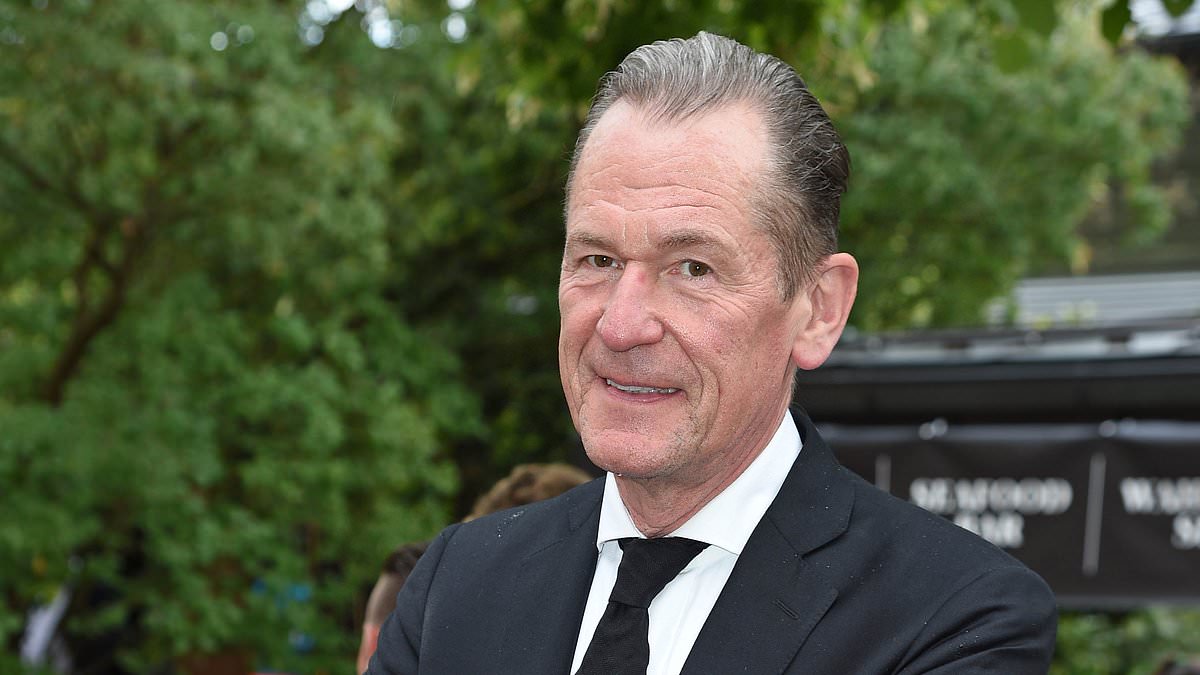
Chief executive of the Berlin-based company Mathias Döpfner is pictured in July 2023
The consortium’s other potential backers are believed to include broadcasting magnate and Baltimore Sun owner David Smith, hedge fund manager Jeremy Hosking, who funds the Reclaim political party led by Lawrence Fox, and another yet-to-be-identified British investor.
The consortium said: ‘We believe our proposal is in the best interests of the seller, The Telegraph, its staff, readers and the wider British public. Our commitment to securing the best possible outcome for all parties in this long and winding saga has never wavered.’
DMGT agreed a £500million deal for The Telegraph in November last year; earlier this month Ms Nandy said that she had issued a public interest intervention notice over concerns that the acquisition warranted investigation on public interest and competition grounds.
The media regulator Ofcom and the Competition and Markets Authority must report back to Nandy by June 10.
The Telegraph has been in limbo since Redbird IMI tried to buy the newspapers in 2023.
The deal was ultimately blocked by the government, over fears of foreign state influence over a British newspaper, leading Redbird to seek approval under a revised structure that would cap IMI’s involvement at 15 per cent.
It later withdrew its bid in November, and in December asked Ms Nandy to transfer its interest in the newspapers to DGMT.
The proposed acquisition by DMGT would bring The Daily Telegraph and The Sunday Telegraph under the same umbrella as the Daily Mail, The Mail on Sunday, Metro and The i Paper. DMGT has said The Telegraph would remain editorially independent, as are all DMGT titles.
Mr Döpfner is a vocal supporter of artificial intelligence (AI), telling staff last year that they were now obliged to use the technology in their reporting and that his new mantra was ’embrace AI or die’.
Mr Efune has previously sought financing from parties including the family office of Leon Black, the Wall Street tycoon brought down by his status as one of Jeffrey Epstein’s biggest clients.
Last night, former Tory leader Iain Duncan Smith said of the prospect of a pro-Brussels media giant owning The Telegraph: ‘I have said throughout that foreign money should not be used to buy The Telegraph, be it Chinese, Middle Eastern or even from the EU.’