
Share this @internewscast.com
A tragic incident unfolded atop a historic Mexican pyramid on Monday, where a gunman fatally shot a Canadian visitor and injured over a dozen others. Officials have now identified the assailant.
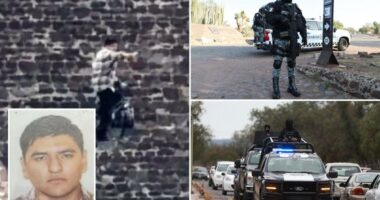
The gunman, 27-year-old Julio Cesar Jasso, has been named by authorities as the perpetrator. Jasso, a Mexican citizen, was identified by a state official who wished to remain anonymous due to restrictions on discussing the case publicly.
After the attack, Jasso took his own life. Security personnel discovered a firearm, a knife, and ammunition at the scene. Investigators confirmed that Jasso acted alone, with the State of Mexico government asserting he was the sole attacker by Monday evening.
According to officials, seven individuals suffered gunshot wounds. Additional injuries occurred in the ensuing chaos as visitors hastily descended the pyramids, with some sustaining injuries from falls during the rush.
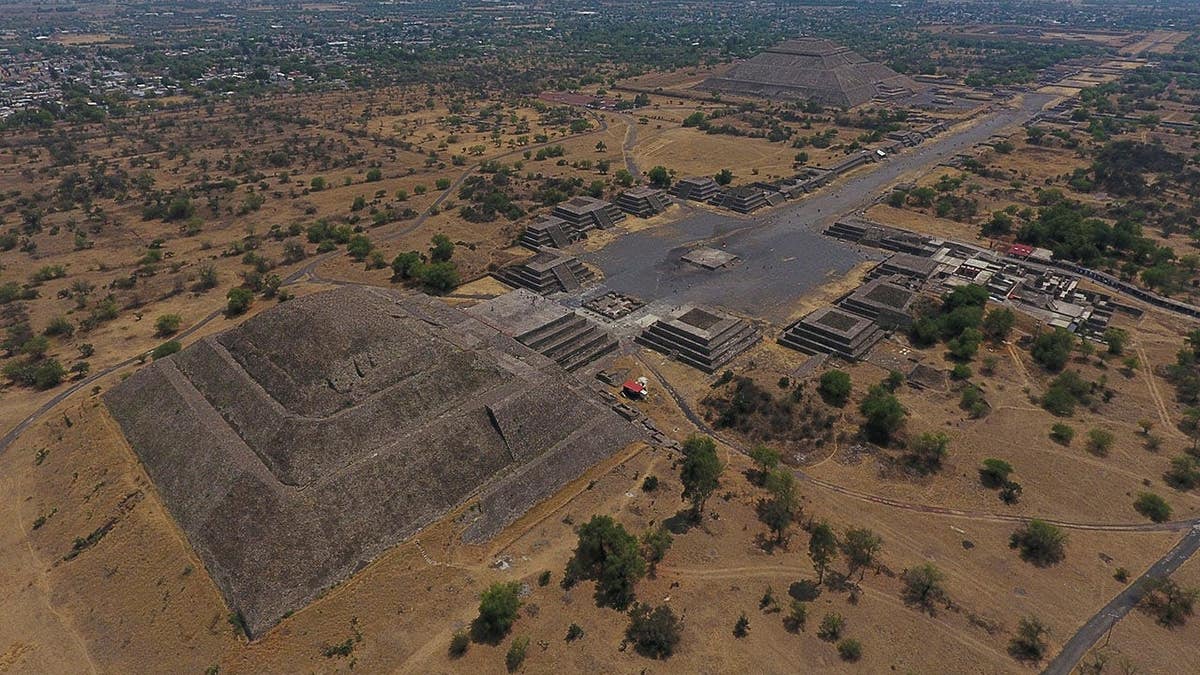
Images of the Pyramid of the Moon and the Pyramid of the Sun, along with smaller edifices lining Teotihuacan’s Avenue of the Dead, were captured on March 19, 2020. The site was the backdrop for this tragic event, which left one Canadian tourist dead and several others injured before the gunman ended his own life, authorities reported on Monday.
Among those hospitalized were tourists from various nations, including the United States, Colombia, Russia, Brazil, and Canada. The ages of the victims ranged from 6 to 61, authorities noted.
Footage circulating in local media appears to show the suspect positioned atop the structure as visitors rushed for safety below, with gunfire echoing across the site.
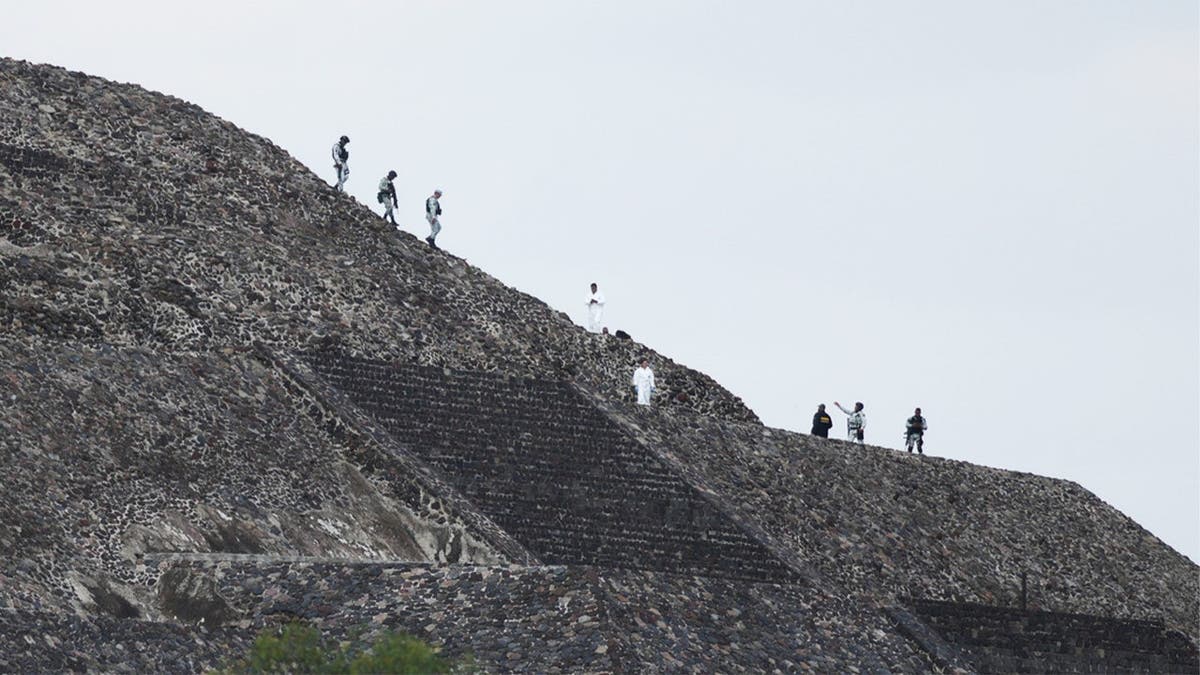
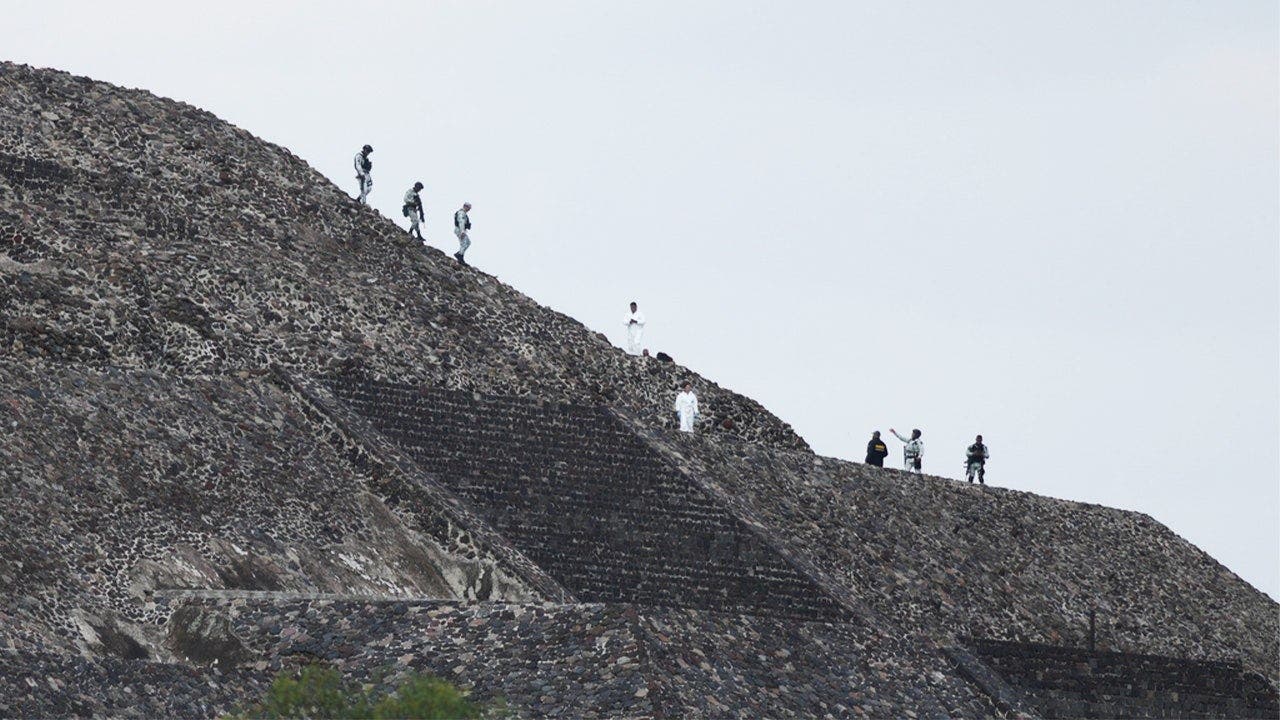
Police and forensic workers stand on a pyramid after authorities said a gunman opened fire in Teotihuacan, Mexico, Monday, April 20, 2026. (AP Photo/Eduardo Verdugo)
The Teotihuacan complex, located just outside Mexico City, is one of the country’s most visited archaeological landmarks, drawing millions of international visitors each year to its towering pre-Hispanic structures.
The shooting took place shortly after 11:30 a.m. when dozens of tourists were at the top of the Pyramid of the Moon.
Security measures at the site have changed in recent years, with routine entry screenings no longer consistently in place, according to a local guide.
Mexican President Claudia Sheinbaum wrote on social media that the shooting would be investigated and that she was in touch with the Canadian Embassy.
“What happened today in Teotihuacán deeply pains us. I express my most sincere solidarity with the affected individuals and their families,” she wrote.
Anita Anand, Canada’s foreign affairs minister, said on X that as a “result of a horrific act of gun violence, a Canadian was killed and another wounded in Teotihuacán” and that her “thoughts are with their family and loved ones.”
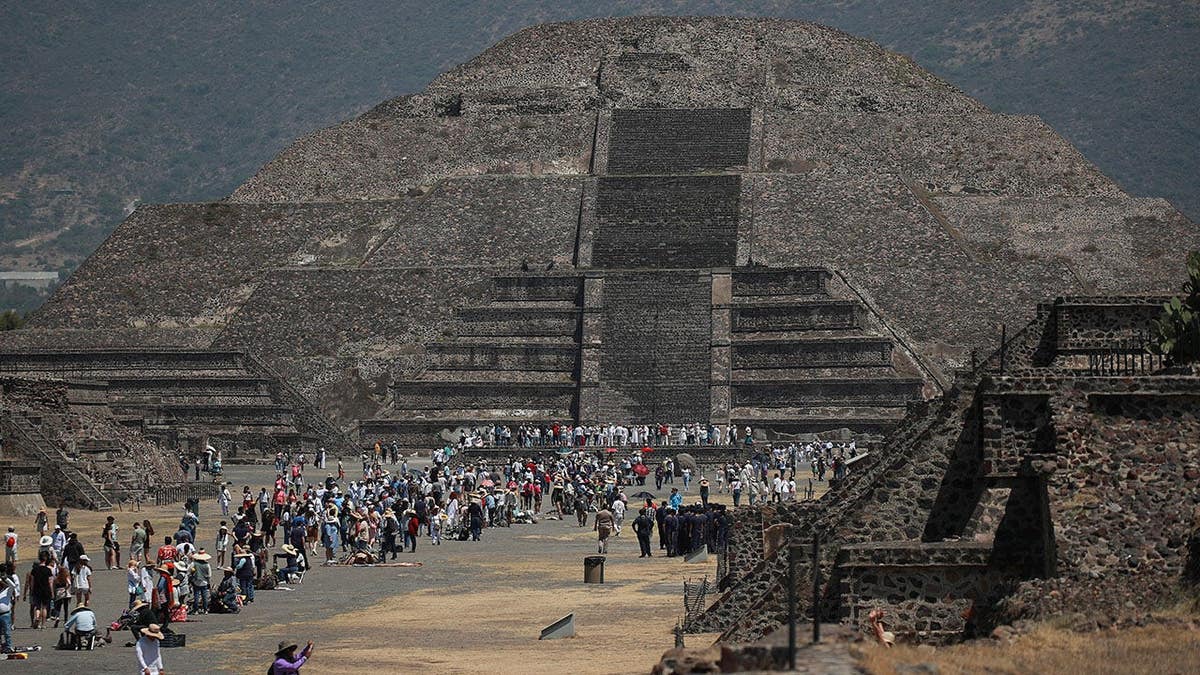
People visit the Pyramid of the Sun in the pre-Hispanic city of Teotihuacan near Mexico City, Mexico, on March 21, 2024, following the spring equinox. (Henry Romero/Reuters)
Later in the evening, U.S. Ambassador to Mexico Ronald Johnson also expressed “deep concern” and sadness over the deaths and numerous injuries, and said in a post on X that the U.S. is “ready to provide support as needed while Mexican authorities continue their investigation.”
The National Institute of Anthropology and History said in a statement that the Teotihuacán archaeological site will remain closed until further notice.