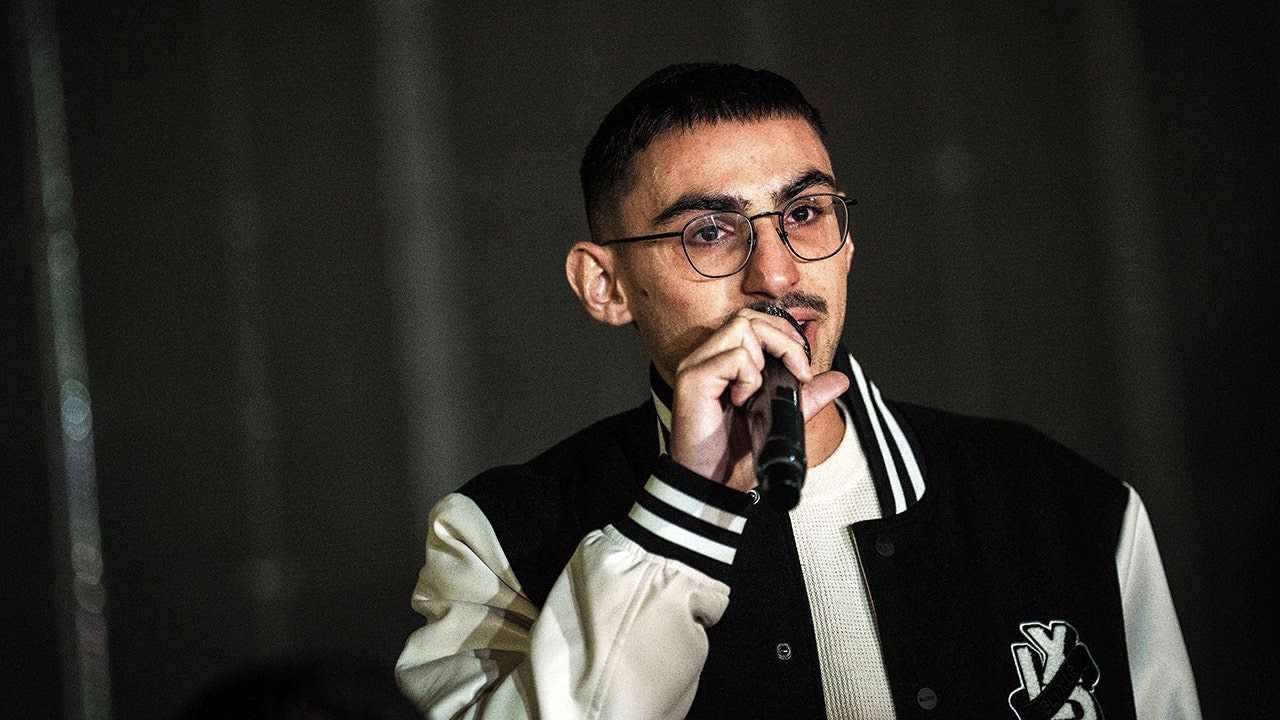

EXCLUSIVE: In a harrowing account, former hostage Rom Braslavski shared the grim details of his captivity at the hands of Palestinian terrorists in Gaza. Speaking exclusively to Fox News Digital, Braslavski recounted enduring both physical and emotional abuse, subsisting at times on nothing more than half a pita bread and a scant portion of cheese. His ordeal further intensified when, after collapsing from exhaustion during a transfer, he was injected with an unknown substance.
Braslavski, a 19-year-old security guard, was captured during the Hamas-led massacre at the Supernova festival on October 7, 2023. At the time, he was fulfilling his mandatory military service, though he managed to keep this a secret for several months. In the initial four months of captivity, he masqueraded as a 16-year-old festival vendor, claiming to sell shawarma.
However, his cover was eventually compromised when a terrorist, whom Braslavski identified as a Palestinian Islamic Jihad cyber expert, interrogated him with a laptop and headphones. Realizing the ruse was up, Braslavski disclosed his true identity.
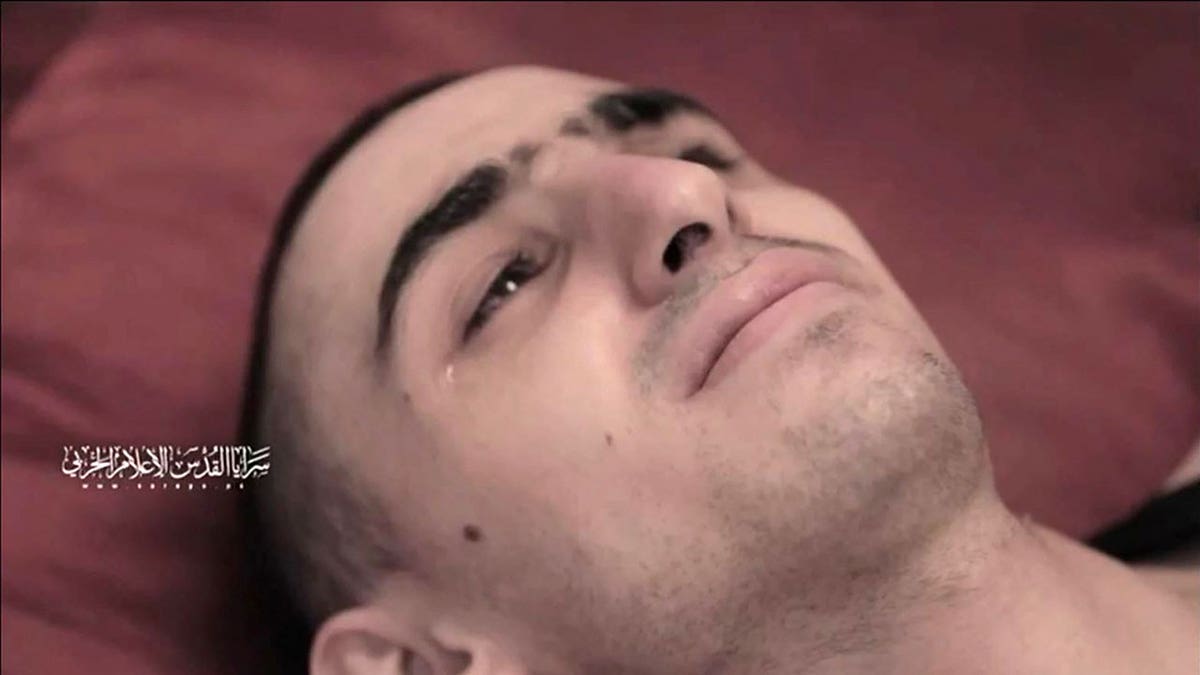
A video released on July 31 by the Al-Quds Brigades, the armed wing of the Palestinian terrorist group Islamic Jihad, shows Braslavski after his release by the Hostages and Missing Families Forum, highlighting his ordeal.
Upon revealing his identity, Braslavski’s situation deteriorated. “They immediately reduced my food by three-quarters. I was on half a pita, a bit of cheese, a rotten tomato, and a small bottle of water, when before I received two or three pitas and a liter of water,” he recounted.
For three subsequent months, he was held in isolation, deprived of daylight. This overwhelming solitude and darkness drove Braslavski to the brink, at times causing him to bang his head against the wall in despair.
At that point, he was forced to walk to a sprawling complex of about 20,000 tents near Nasser Hospital. Along the way, he collapsed from hunger and exhaustion, was injected with an unknown substance and forced to continue moving.
“I was encircled by members of Islamic Jihad. Nobody told me where we were going. I cried, thinking they were either going to kill me or take me to a tunnel to torture me more aggressively,” Braslavski told Fox News Digital.

Rom Braslavski and Mayor of Jerusalem Moshe Lion at the Jerusalem Winner Marathon. (Jerusalem Marathon/Arnon Bossani)
“I walked without energy, breathing air as if those were my last breaths, thinking it would be the last time I would see the light of day. I kept going.”
At the complex, Braslavski said tents were tightly packed with no privacy, while vehicles destroyed by missiles had been converted into makeshift shelters. The camp included donkeys and camels, and people relieved themselves in the open. He described extreme heat that made it difficult to breathe.
Braslavski remained in one such tent for four months. While the terrorist in charge instructed others not to abuse him, one of the four guards — a young man whose name he declined to share — ignored those orders.
“He did everything he could to break me. Once, he brought me food, spat in it and forced me to eat it. He humiliated me constantly. I had a small opening in the tent to breathe air, and he would come by and close it. When I told him I couldn’t breathe, he would slap me and laugh with the others. He showed me videos of violence against our soldiers. He would bind my hands and feet for no reason,” Braslavski said.
Although he was not supposed to be physically harmed without cause, Braslavski said the guard routinely insulted him, threatened his family and forced him into degrading acts until it became unbearable.
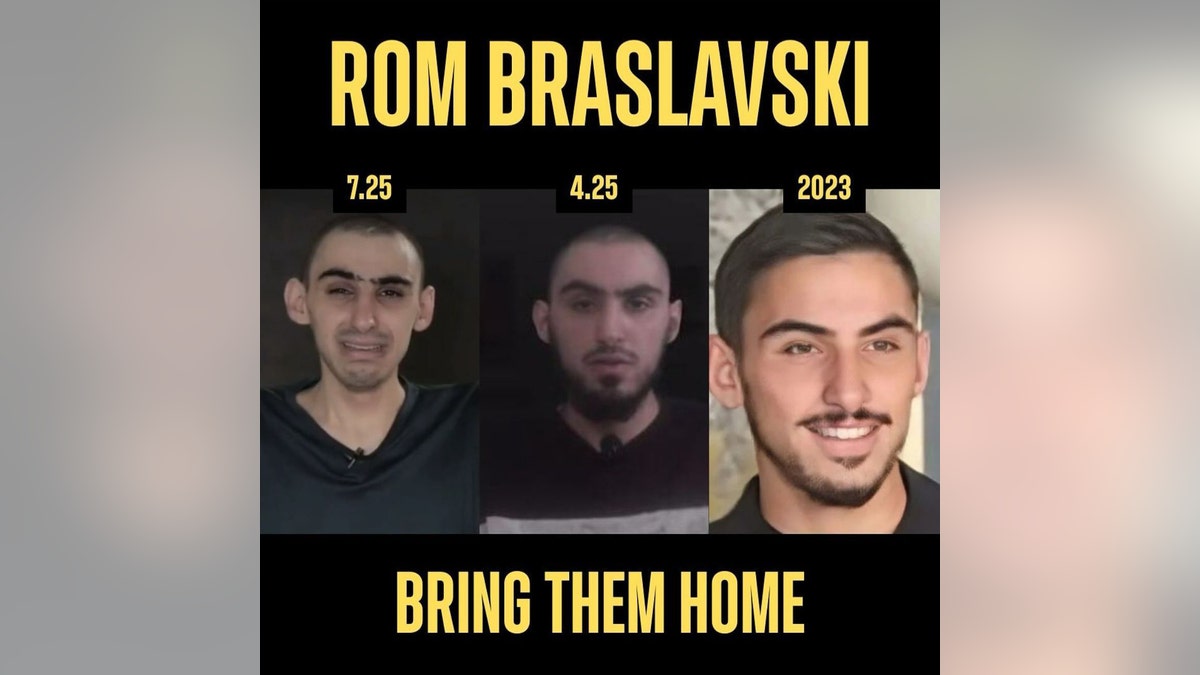
Rom Braslavski was kidnapped by Hamas terrorists at the Nova music festival Oct. 7, 2023. (The Hostages and Missing Families Forum)
Braslavski told Fox News Digital the abuse left him overwhelmed with hatred, prompting him to attack the guard with all his strength and use whatever he could find around him to inflict harm, ultimately succeeding.
“He started to run to get his Kalashnikov, and I realized I could either continue or take a bullet to the head. I kept hitting him with all my strength. He became weak. I was also weak, but my body and mind disconnected from everything, and I continued,” Braslavski recounted.
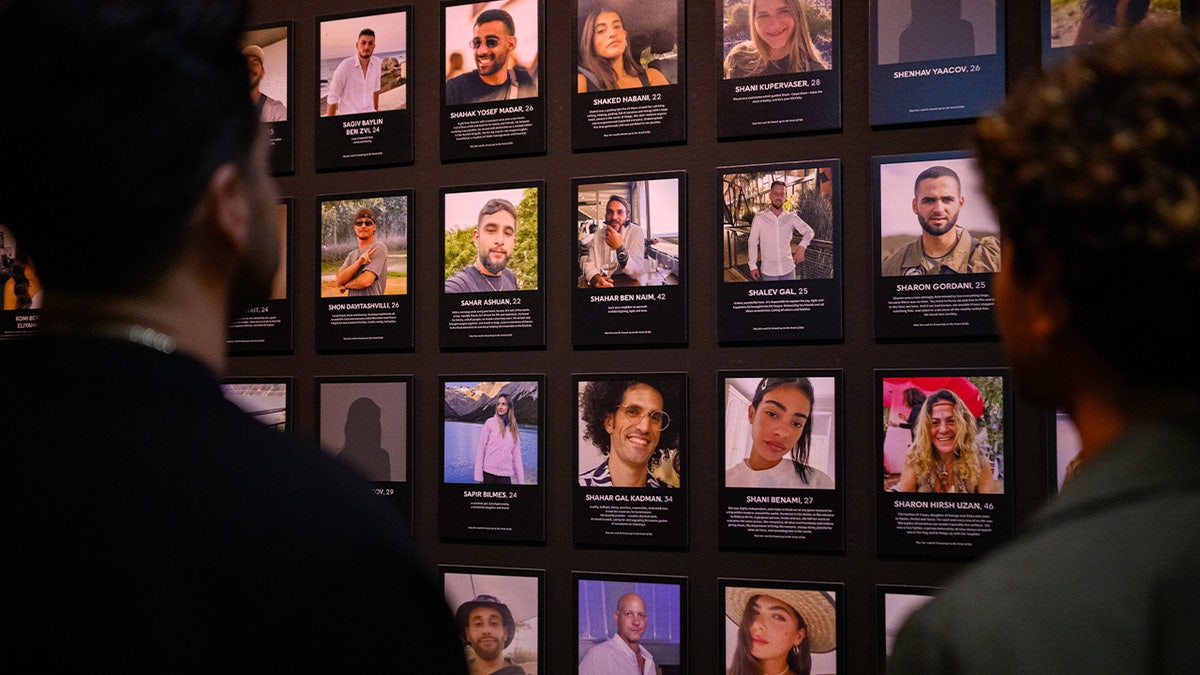
Reef Peretz, chairman of the Nova Foundation, looks at the names and faces of people killed during the Nova festival at “The Nova Music Festival Exhibition Oct. 7th 06:29 AM, The Moment Music Stood Still” April 18, 2024, in New York City. (Alexi Rosenfeld/Getty Images for The Nova Music Festival Exhibition)
After three to four minutes, another terrorist intervened, and the guard Braslavski had attacked was taken to a hospital.
“The day that followed was the second darkest of my life after Oct. 7. It is marked in my memory, my soul and my body. The chief terrorist decided to respond severely to what I did, and, from there, I entered a loop of constant abuse,” he said.
Braslavski said he was thereafter allowed to sleep no more than an hour and a half per day in short intervals.
“They would hit me with whatever they had on hand. I underwent severe torture, bondage and sexual abuse. Everything they could do to me, they did. My body is still covered in scars. After four months of torture, I was clinically dead, rolling my eyes and passing out. They decided to stop the violence and brought doctors to treat me with injections and gave me food again,” he added.
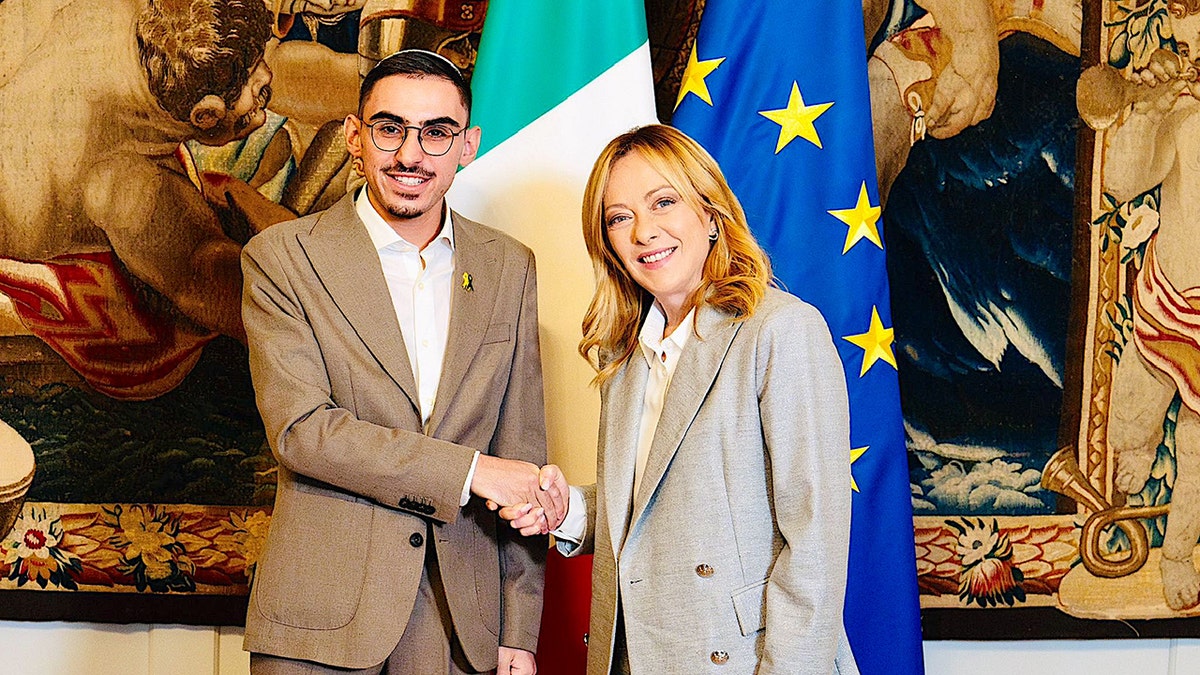
Rom Braslavski and Italian PM Giorgia Meloni (Office of the Prime Minister of Italy )
During Operation Gideon’s Chariots, which began in May 2025 with the stated goal of defeating Hamas and securing the return of hostages through military pressure, Braslavski said the terrorist overseeing his guards was injured and lost a family member, triggering another cycle of torture and starvation.
“I weighed 49 kilos (108 pounds), and the senior terrorist, who weighed 90 kilos (198 pounds), would jump on my neck and try to break it. I was on the verge of death again. That is when the propaganda video showing me was released, and it is possible to see marks on my body from the abuse. My bones were protruding. I could no longer go to the bathroom normally. Everything in my body stopped functioning. I was close to death, and that is when President Donald Trump came into the picture,” he told Fox News Digital.
With each step forward in negotiations toward a deal, Braslavski said his condition gradually improved until he was released in October 2025 after 738 days in captivity.
What keeps him going as a free man, he said, is his faith.
“I have a dark past, but I must have a bright future. I want to forget what happened, although I can’t. God gave me back my life as a gift — not once, but twice. I need to do at least the minimum, which is to live, rehabilitate myself and put this all behind me,” he said.