
Share this @internewscast.com
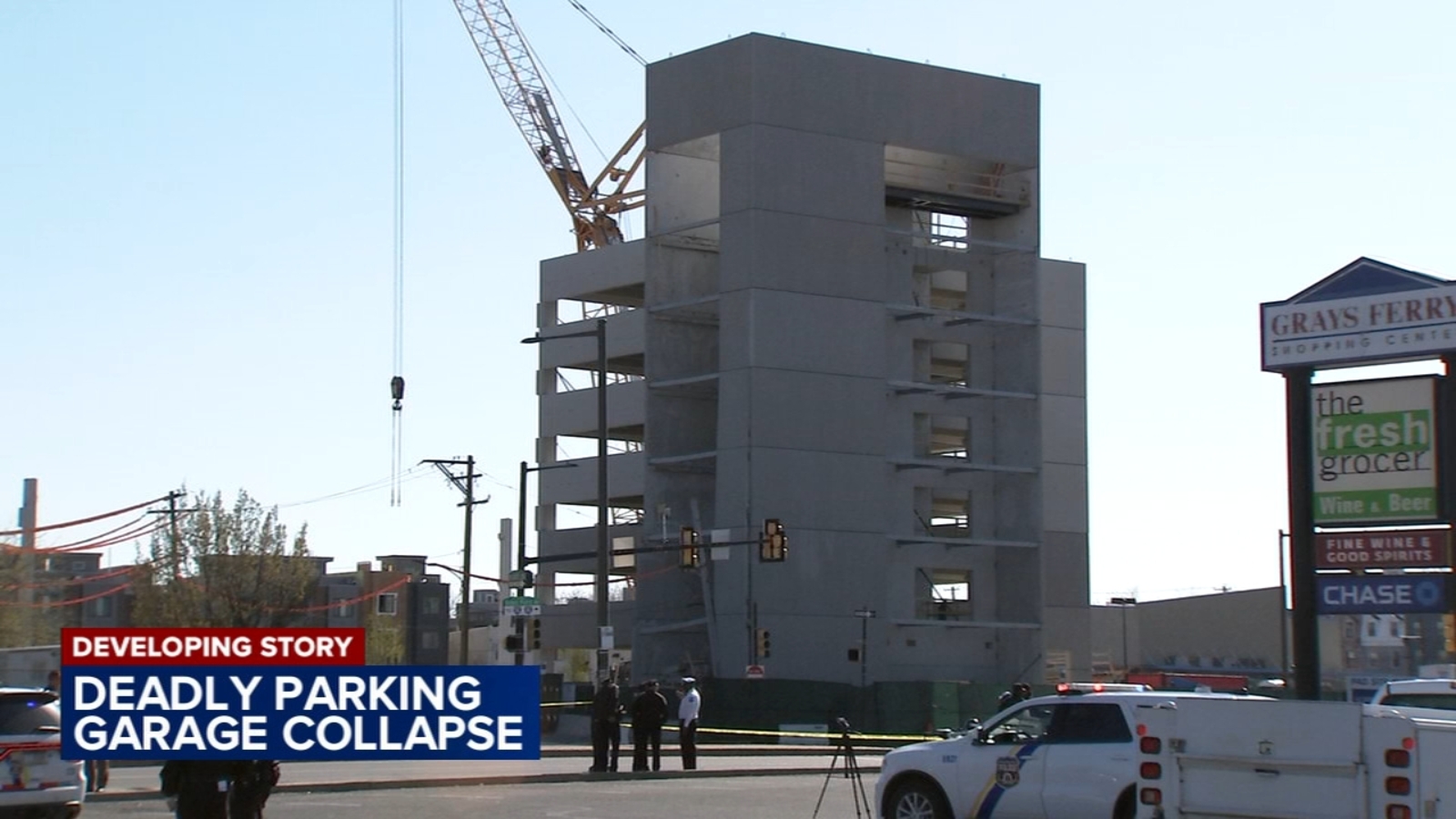
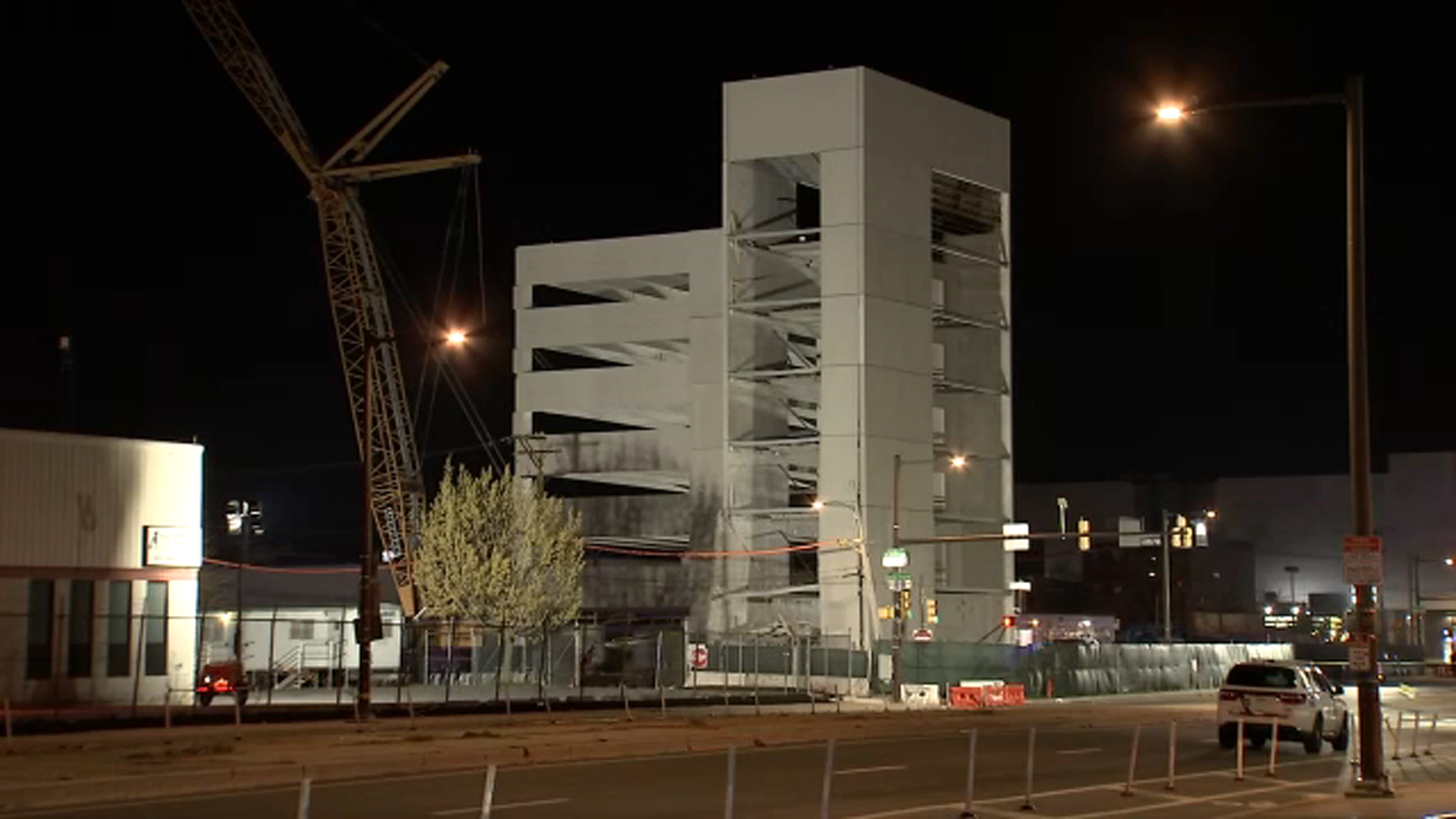
PHILADELPHIA — A tragic incident unfolded in Philadelphia as a parking structure under construction partially collapsed, resulting in one confirmed fatality and leaving two individuals missing.
The collapse occurred shortly after 2 p.m. on Wednesday at the 3000 block of Grays Ferry Avenue.
Upon arrival, Philadelphia Fire Commissioner Jeffrey Thompson reported that emergency teams successfully rescued three individuals. One of the rescued was transported to a nearby hospital but sadly succumbed to their injuries. The other two were treated on-site and subsequently released.
Efforts are still underway to locate two more individuals feared to be trapped beneath the debris.
“We will not abandon hope for these individuals, and our commitment is steadfast until everyone is accounted for from this unfortunate event,” stated Philadelphia Mayor Cherelle Parker.
The identities of those involved remain undisclosed at this time. However, sources reveal that some of the workers are affiliated with the Ironworkers Local 401 union in Philadelphia.
Drone video showed a large pile of debris on one side of the structure, along with significant cracks running down a corner of the building. First responders have focused their search efforts on the lower levels of the garage, specifically a stairwell.
In doorbell video obtained by WPVI, you can see the tragedy unfold from several blocks away.
One witness described the structure collapsing floor by floor.
“The floors was like going like one by one as it was like collapsing. And then there was a guy that was trapped underneath,” recalled Kurtis Carter.
Others initially thought an earthquake had struck.
“I was in the kitchen, and we heard like an explosion, thought it was a storm, bomb…we didn’t know what it was,” said Andrew Martines. “My wife, she was upstairs, and she heard people screaming and running out. She saw a huge cloud of smoke. The house was shaking.”
What we know about the collapse
Mayor Parker said eight permits were required for the project and were properly issued, with all inspections up to date.
She said Precast Services Inc., a subcontractor on the site, was installing precast concrete floor decking and roof segments on Wednesday. After placement, a precast roof segment failed and fell to the level below, triggering a progressive collapse of connected sections across all seven levels.
Parker said the precast concrete components were manufactured off-site and installed by the manufacturer.
“This process does not require standard L&I inspection. Instead, it falls under required special inspections that include periodic inspections for precast concrete installations. These inspections were assigned to Valerie Moody of GAI Construction Monitoring Services,” Parker explained.
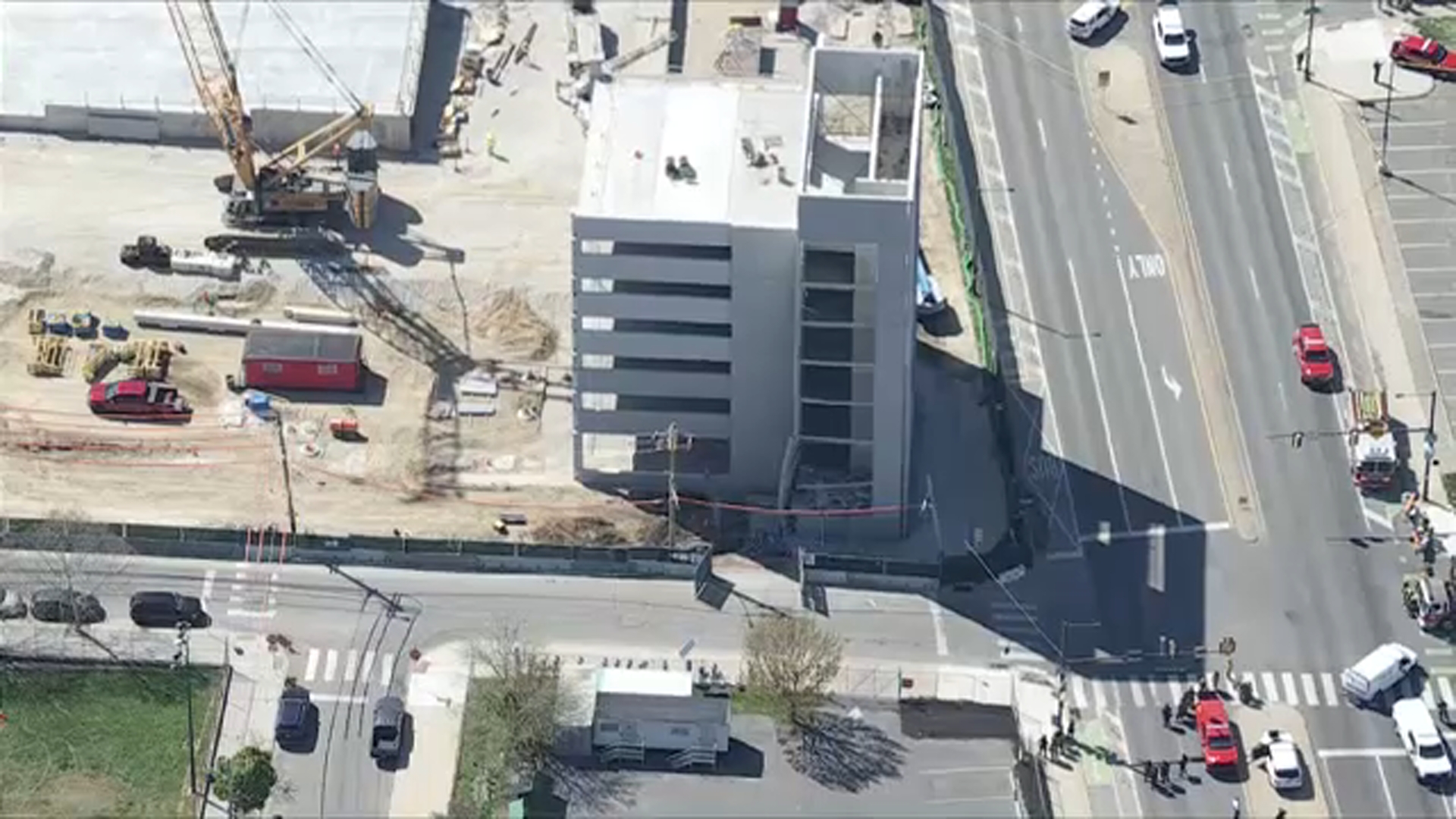
Crews working to stabilize the structure
Officials have expressed concern that the remaining structure could collapse, prompting closures in the surrounding area. Heavy equipment is expected to help with debris removal.
Thompson stressed the process could take some time, but he vowed to find those missing.
“We have to very carefully, emphatically deconstruct this building for the safety of the people working on it and ultimately for the safety of the first responders who will continue to search,” said Thompson.
The massive effort is expected to continue through Thursday.
Controversy over the project
The seven-level parking garage was under construction for the Children’s Hospital of Philadelphia. It was being built to expand CHOP employee parking.
“We are prioritizing the safety of the construction workers at this time and working closely with the City of Philadelphia and our construction partners. We will share additional information as it becomes available,” said CHOP in a statement.
The project had been the subject of controversy, including protests earlier this year. The group that protested was concerned about the increased congestion and potential impacts on environmental health.
Community members said they’re even more concerned than they were before, but Wednesday night, their thoughts remain with families of those impacted.
“Even if they didn’t live in 19146, they worked in our community. Therefore, they belonged to us. They’re part of our community,” said DeMorra Hawkins, a member of No CHOP Garage Coalition, who has protested at the site earlier this year.
How will OSHA be involved?
The Occupational Safety and Health Administration will lead the investigation into the collapse. OSHA personnel are already on scene and will conduct interviews and a comprehensive review of the construction work.
“What OSHA is going to be looking at, and L&I is going to be looking at, is whether there were any issues with either prefabricated materials or the concrete pour of the steps themselves,” said Aidan Carickhoff of the law firm Saltz Mongeluzzi Bendesky. “So they’ll be digging back through all of the pour materials and all the construction information to make sure that part of the job was done correctly.”
Permits list HSC Builders as the general contractor. The company develops large-scale projects, including life science facilities and museums.
OSHA will review whether the stairwell and other structural elements were built to engineering specifications. Work by subcontractors and material suppliers will also be examined.
But for now, construction is on hold.
“OSHA will stop the work so that they can inspect the integrity of that building. We’ve been involved in a lot of building collapse cases before and the work will be stopped so that OSHA and L&I can make sure no one else gets injured on this construction site,” Carickhoff explained.
OSHA’s investigation will likely take at least six months due to the backlog within the agency. A written report and any citations or violations will be made public.
Copyright © 2026 WPVI-TV. All Rights Reserved.