Share this @internewscast.com

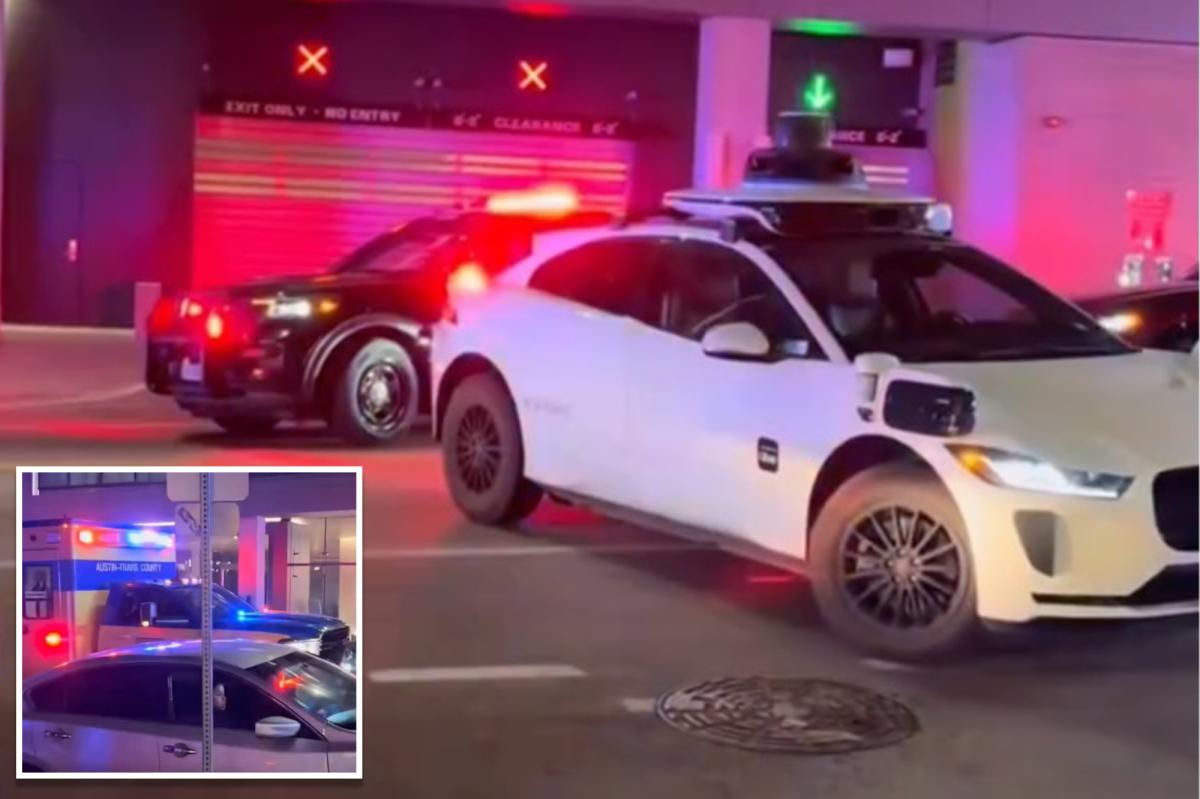
A video recently emerged showing a self-driving Waymo taxi obstructing emergency vehicles during a crucial response to a tragic mass shooting at a bustling bar in downtown Austin. The incident unfolded early Sunday morning, raising concerns over the reliability of autonomous vehicles in emergency situations.
Matthew Turnage, who had just left a local club at around 2 a.m., had ordered an Uber to get home. As he reached West 6th Street and Nueces Street, he noticed the Waymo vehicle stuck at the spot. This location was alarmingly close, merely two minutes away, from where a gunman had opened fire at Buford’s Backyard Beer Garden, tragically claiming two lives and injuring 14 others, according to KXAN reports.
“We had just exited a club and were heading to get a ride home. Our Uber ride happened to be a Waymo car, and when we reached it, we found the car stuck in the middle of the street, inadvertently blocking emergency vehicles for a few minutes,” Turnage recounted to the news outlet.
The recorded footage highlights the autonomous Waymo taxi, without a driver, immobilized across the road while an ambulance waited for it to clear the path. The video further shows the taxi slowly maneuvering forward and eventually turning into what seemed to be a parking garage entrance. However, by that time, the ambulance had already reversed to seek an alternative route.
Despite this hiccup, emergency responders acted swiftly, with medics arriving at the scene just 57 seconds after the first call was made at 1:59 a.m., according to officials. This rapid response underscores the dedication and efficiency of emergency services, even amidst unforeseen challenges posed by new technology.
Emergency personnel responded rapidly to the incident, and medics were on scene within 57 seconds of receiving the initial call at 1:59 a.m., officials told the outlet.
Riders within 133 square miles of Austin — from North Austin to Downtown to Manchaca — have been able to access driverless Waymo vehicles for their Uber journeys since January, according to an Uber press release.
The driverless cars — which are in several US cities — have been subject to much scrutiny after a slew of mishaps, including striking a child near an elementary school in Santa Monica and a near-collision with a family in Los Angeles.
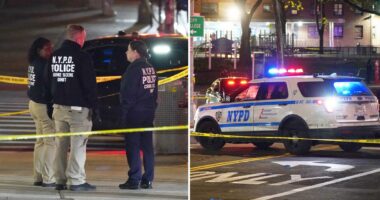
Police responded to reports of a male shooter at Buford’s Backyard Beer Garden — near the University of Texas-Austin — just before 2 a.m., officials said at a press conference.
The shooter, later identified as Ndiaga Diagne, 53, of Senegal, was killed minutes after the carnage by responding cops. The FBI has been probing the incident as a possible act of terrorism.
“There were indicators that on the subject and in his vehicle that indicate potential nexus to terrorism,” Alex Doran, a special agent with the FBI’s San Antonio field office, told reporters.