
Share this @internewscast.com
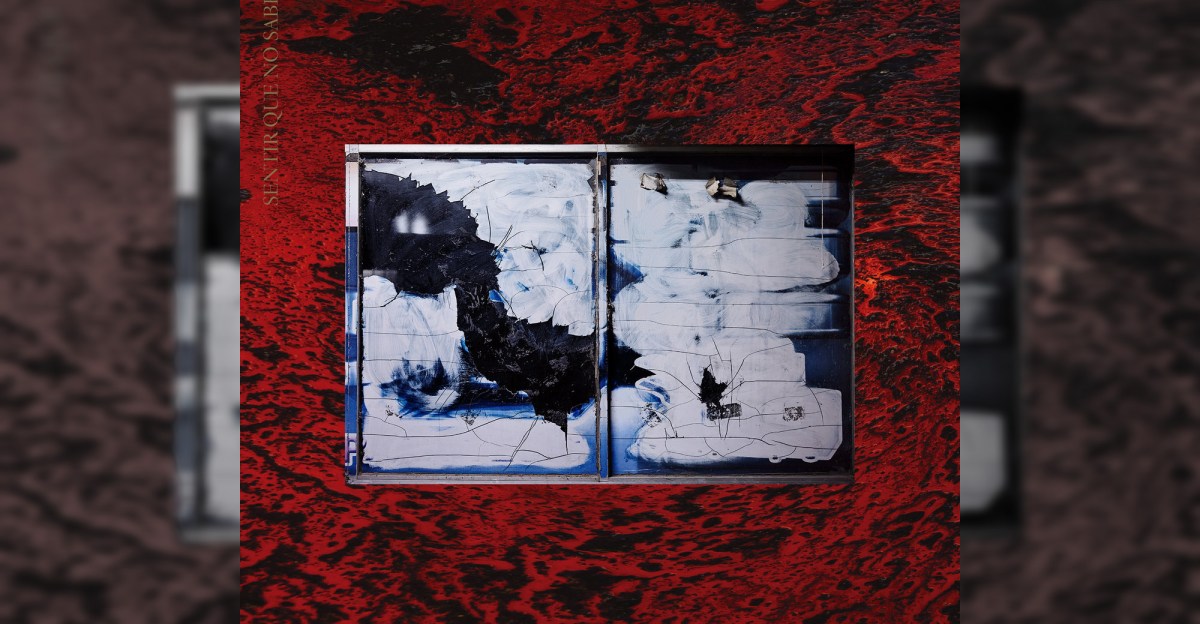
The haunting opening of “Kravitz,” the lead track on Mabe Fratti’s upcoming 2024 album Sentir Que No Sabes, is unforgettable. The album isn’t flashy, yet it captivates with the resonant hum of Fratti’s cello, played as though it were an upright bass. These notes linger momentarily before abruptly fading, leaving a soft buzz in the air. This soundscape is set against a steady kick and snare rhythm, creating an industrial, jazz-infused atmosphere reminiscent of a more melodic “Closer.”
Fratti’s lyrics, delivered in Spanish, weave a narrative of paranoia with imagery of eavesdropping and concealed listeners, enhanced by slightly dissonant horn sections. As the track progresses, it unfolds with rich piano chords and intensified drumming. This introduction perfectly sets the stage for an album where Fratti fuses her experimental tendencies with elements of pop, moving away from her avant-garde origins.
Originally from Guatemala and now based in Mexico, Fratti shared with Pitchfork that her childhood home was filled with Christian and classical music. Her teenage discovery of platforms like Limewire introduced her to avant-garde composers such as György Ligeti. This broad musical exploration is evident in songs like “Pantalla Azul,” which seamlessly blends styles from goth rock to new age, yet remains grounded by Fratti’s strong melodic sense. Another track, “Oidos,” fully embraces chamber pop with its echoed cello, plaintive trumpet, and autoharp influences.
Even in its more minimal moments, Sentir Que No Sabes maintains a rich and immersive sound, suitable for intimate settings or grand performances. The album’s cohesive production, courtesy of I. La Católica (Héctor Tosta), skillfully manages Fratti’s eclectic style shifts and intricate cello techniques. The album avoids the potential chaos of its varied elements—delicate horns, dissonant strings, and cold digital synths—by maintaining a consistent undercurrent of tension and subtle percussion, unifying the album’s diverse components.
However, Fratti doesn’t abandon her experimental roots entirely. Tracks like “Elástica” I and II showcase her more avant-garde expressions, but the magic of Sentir Que No Sabes lies in its ability to transform these experimental ideas into accessible and sometimes irresistibly catchy tunes.
Comparisons to Arthur Russell are frequently made when discussing Fratti’s music, and they are apt. Russell, known for his avant-garde cello work and unexpected pop sensibilities, rarely blended these aspects as seamlessly as Fratti. Typically, his music was compartmentalized into pop or experimental categories. Over her recent projects, both as a solo artist and as part of the duo Titanic, Mabe Fratti has been breaking down these barriers, creating a unique fusion of genres.