
Share this @internewscast.com
Years ago, I penned a science fiction short story, hoping to weave in lyrics from the 1928 song “Button Up Your Overcoat.” However, when I sold the story, my editor advised against it, citing the song’s copyright status as a potential issue.
If I were writing that story today, I’d have no such concerns. The song entered the public domain two years ago, making it freely available for use.
For those eyeing creative works to incorporate into their projects, tracking which beloved pieces are entering the public domain is a common practice. This year, in the United States, copyrighted works from 1930 (with the exception of sound recordings, which date back to 1925) are now open for public use and adaptation.
As we previously reported, Duke Law School’s Center for the Study of Public Domain has once again compiled a list of notable works that have been liberated from copyright restrictions.
In 1930, the film industry was buzzing with provocative content that hadn’t yet bowed to the constraints of the Hays Code. This code, introduced in 1930 but not strictly enforced until 1934, aimed to ensure films did not “lower the moral standard” of audiences by banning profanity, crime, and sexual content. A prime example is the 1930 film Morocco, where Marlene Dietrich famously dons a tuxedo and shares a kiss with another woman—a scene that would have been censored under the Hays Code.
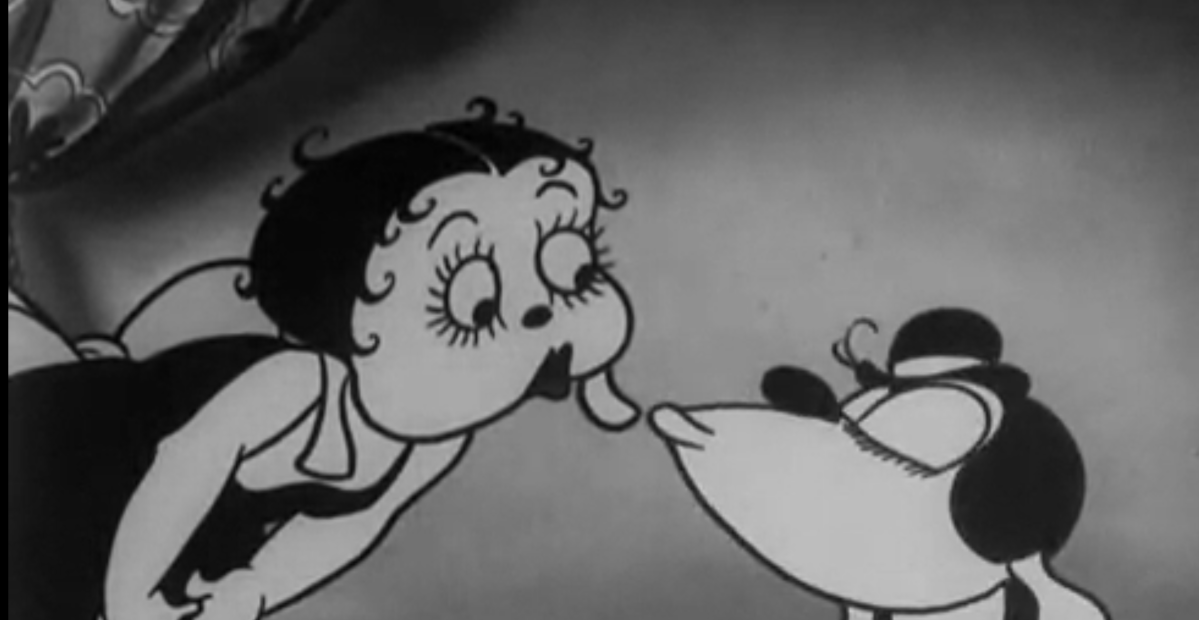
Also making her debut in 1930 was the iconic cartoon character Betty Boop in Dizzy Dishes. Creators looking to use clips should note that the original version of Betty Boop, who initially appeared as a dog with earrings resembling dog ears, is now in the public domain. Likewise, the inaugural appearance of Pluto, then known as Rover in The Picnic, is also available for public use.
By the way, if you’re a gamer who wants to play with some of these characters, you might want to enter the Gaming Like It’s 1930 jam. You have until the end of January to enter your digital or analog game — keep in mind that it must contain a work dating from 1930.