
Share this @internewscast.com
The Vera C. Rubin Observatory has made a significant leap forward in astronomy by launching its automated alert system, which is already inundating astronomers with a plethora of night sky phenomena to examine. Officially going live on Tuesday, February 24th, the system immediately began churning out approximately 800,000 alerts on its first night, spotlighting asteroids, supernovas, and active black holes. Experts anticipate this number will only increase, potentially reaching millions of alerts each night.
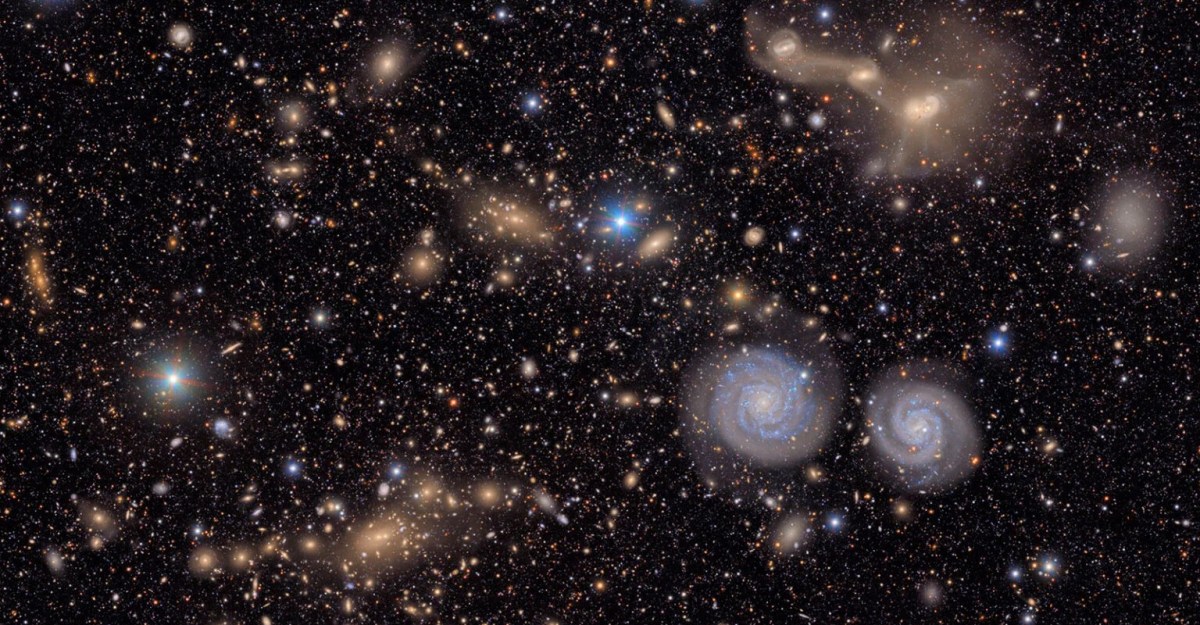
Last June, the observatory unveiled the first images captured with its colossal Legacy Survey of Space and Time (LSST) camera, which is roughly the size of a car. Since then, both researchers and amateur astronomers have been eagerly awaiting the activation of this new system. Each night, the LSST camera takes around 1,000 images, which are meticulously compared to a baseline image captured when the telescope initially went operational. Any discrepancies are flagged, allowing an advanced algorithm to distinguish between the likes of potential supernovas and incoming asteroids. This rapid process enables scientists to receive alerts within minutes, directing their focus to transient celestial events that might otherwise go unnoticed.
Fortunately, the alert system offers flexibility, enabling users to filter notifications by factors such as event type, brightness, or the frequency of occurrences within a specific timeframe. This functionality is crucial in preventing researchers from becoming overwhelmed, as the Rubin Observatory is poised to exponentially increase its discovery rate.