
Share this @internewscast.com
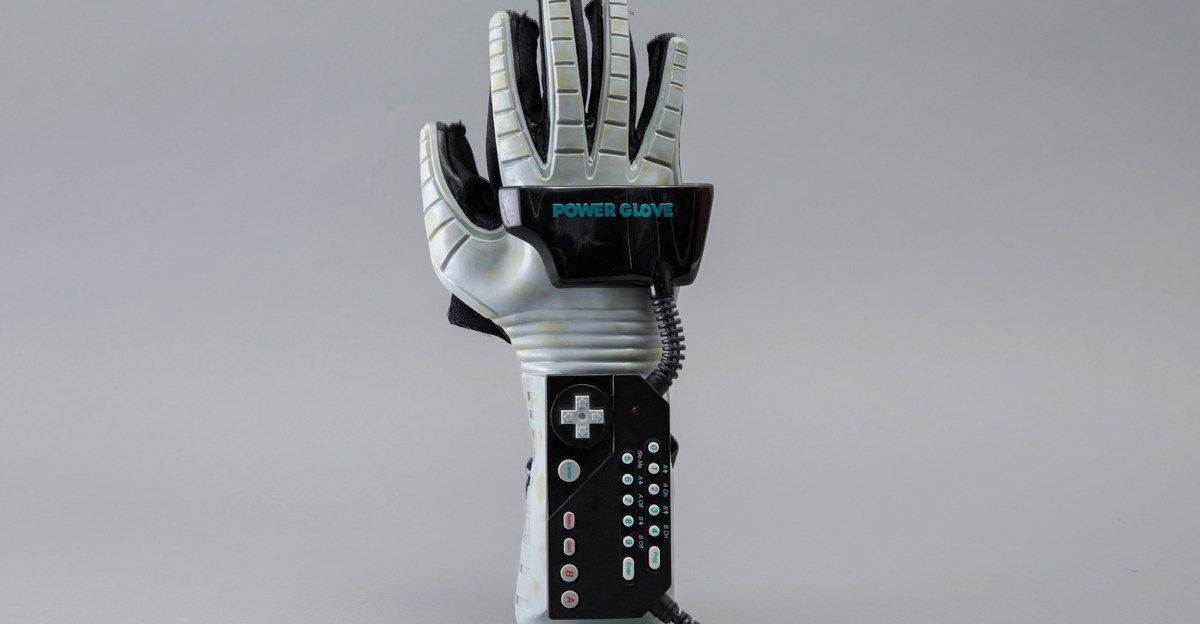
The Nintendo Power Glove, despite its grand vision, fell short in execution. Considered a pioneering device for its time, it allowed gamers to use bodily movements to interact with games, rather than relying solely on traditional thumb controls. However, this groundbreaking attempt did not translate to a user-friendly experience, a shortcoming that is integral to its history.
Debuting in the late 1980s, the Power Glove emerged during a transformative era for the gaming industry, with Nintendo at the helm as a leading innovator. Interestingly, the Power Glove wasn’t originally conceived as a Nintendo product. It began as an experimental project that evolved into a toy, eventually landing under Nintendo’s brand due to a pivotal pitch. Despite its shortcomings, a strategic marketing push and the allure of virtual reality as a futuristic concept propelled the Power Glove to a fleeting commercial triumph. Its legacy can be traced to some of Nintendo’s later successes and the broader virtual reality landscape.
In a recent episode of Version History, a podcast that delves into the evolution of technology, hosts David Pierce, Chris Grant from Fandom, and Stephen Totilo from Game File, recount the narrative behind the Power Glove. They discuss the efforts that led to its creation, why it ultimately failed as a product, and how it nonetheless influenced future technological developments. The hosts even attempt to revive an old Power Glove to play games, with predictably less-than-stellar results.
If you’re interested in following Version History for more insights into tech’s past, there are two ways to ensure you receive each episode promptly:
For those eager to dive deeper into the Power Glove’s intriguing story, whether or not you had the chance to experience it firsthand, here are some resources to explore further: