Share this @internewscast.com
Greg Moriarty, the head of Australia’s Defence Department, has been named as the country’s next ambassador to the United States, succeeding former Prime Minister Kevin Rudd.
Since late 2017, Moriarty has been at the helm of the Defence Department and previously worked as the chief of staff for then-Liberal Prime Minister Malcolm Turnbull.
Prime Minister Anthony Albanese announced the appointment on Sunday, ahead of Dr. Rudd’s planned departure from the ambassadorial role at the end of March.
“Mr. Moriarty is an exceptional Australian public servant,” Albanese remarked during an interview on ABC’s Insiders program.
“I am impressed by his composed demeanor and his connections in the United States,” he continued.
“The AUKUS partnership is a cornerstone of our relationship with the United States, and he is exceptionally well-positioned to manage all aspects of it,” Albanese added.
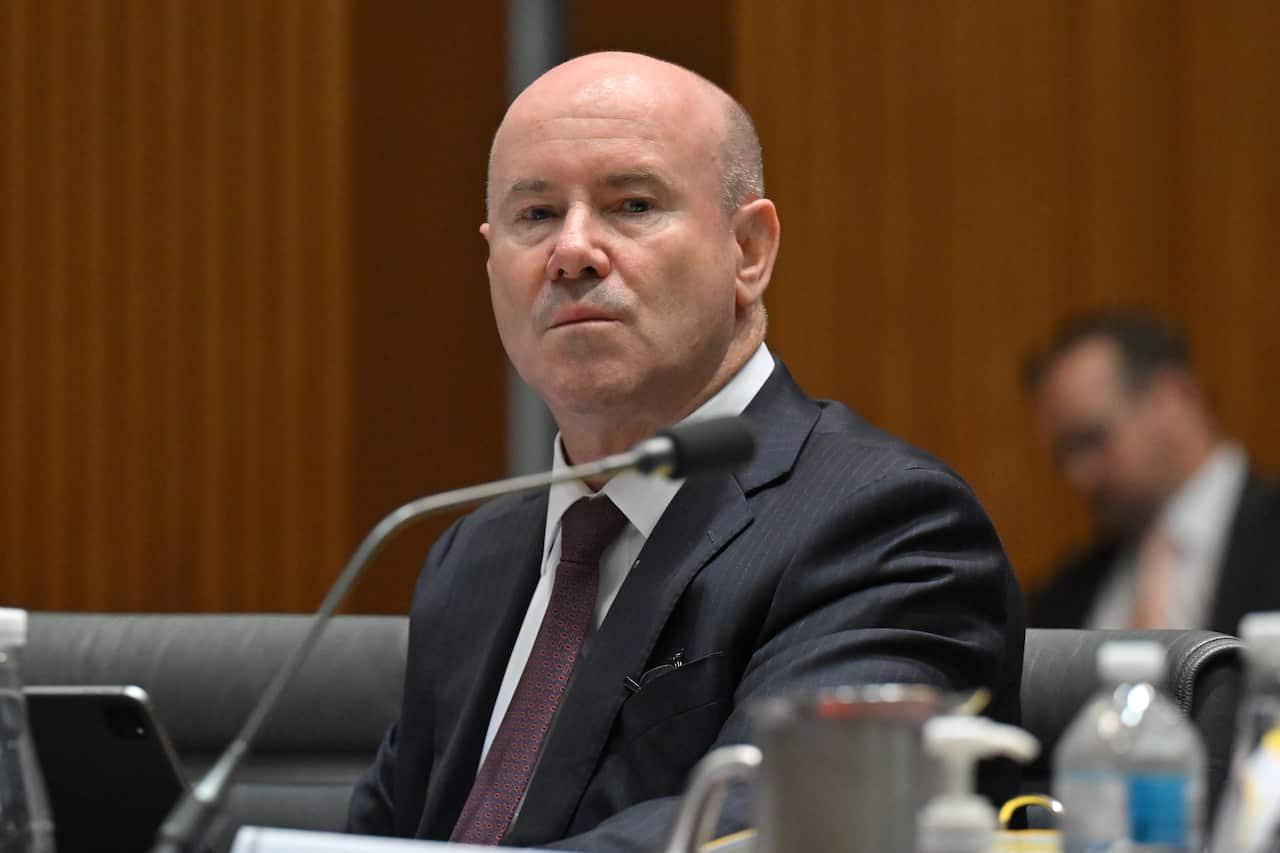
Secretary of the Department of Defence Greg Moriarty in February 2025. Source: AAP / Mick Tsikas
Dr Rudd, a former Labor prime minister, was appointed in 2023 but resigned from the role a year early.
He faced a tumultuous period under the Trump administration, having previously been a strident critic of the US president.
Mr Albanese said Dr Rudd could look back on his time as ambassador “with real pride”.
Albanese says Trump’s comments on allied forces ‘unacceptable’
Mr Trump recently sparked outrage after claiming troops from NATO countries had stayed away from the front line in Afghanistan, leading to condemnation from UK Prime Minister Keir Starmer and other allies.
Forty-seven Australians were killed in the 20-year conflict, while 261 of the nation’s personnel were wounded before troops were withdrawn in mid-2021.
Mr Albanese labelled Mr Trump’s comments “unacceptable” while noting the US president had since walked back the remarks.
“Those 47 Australian families who will be hurting by these comments, they deserve our absolute respect, our admiration,” he said.
“They were certainly on the front lines along with our other allies, to defend democracy and freedom and to defend our national interest.”
RSL national president Peter Tinley slammed the US president’s remarks as factually wrong, historically ignorant and deeply offensive.
“I call on the prime minister and the leader of the opposition to reaffirm, in the clearest terms, that Australia’s service in Afghanistan was conducted with courage, professionalism and distinction,” he said.
In an interview with Fox Business Network, Trump earlier said he was not sure NATO would be there to support the US if and when requested.
“You know, they’ll say they sent some troops to Afghanistan or this or that — and they did, they stayed a little back, a little off the front lines,” he said.
Trump on Sunday morning posted a message on Truth Social praising the “great and very brave soldiers of the United Kingdom” and said they “were among the greatest of all warriors”.
The online post came after a discussion between Trump and Starmer about the issue on Saturday, UK officials said.
For the latest from SBS News, download our app and subscribe to our newsletter.