
Share this @internewscast.com

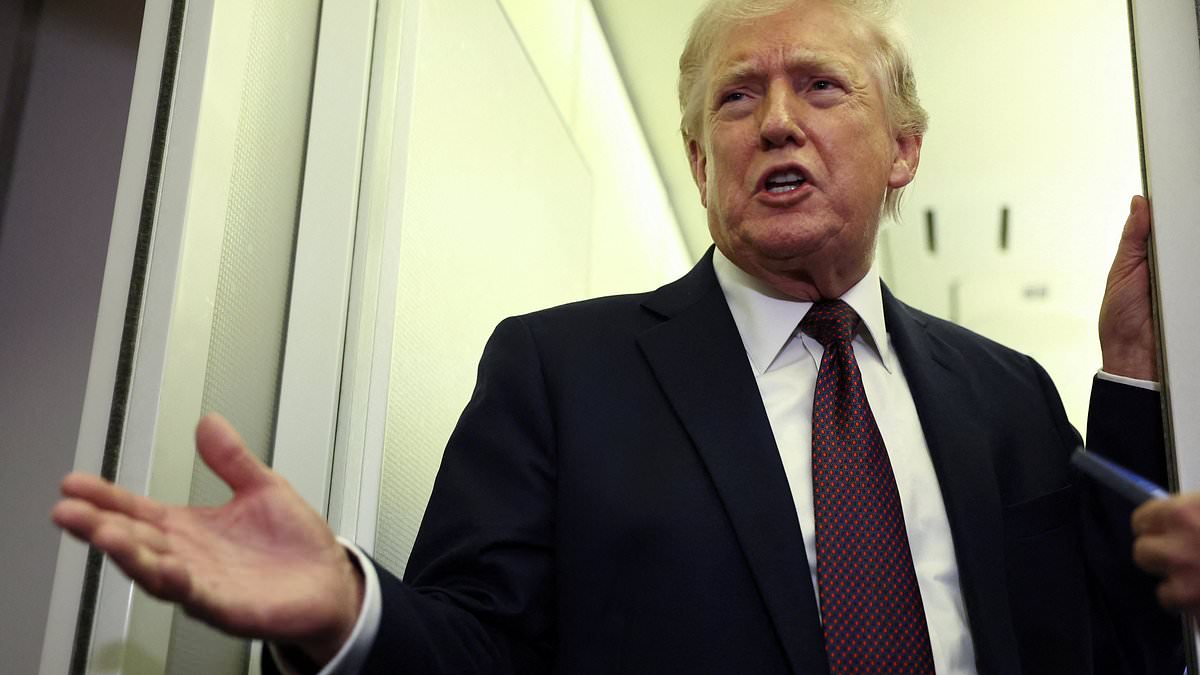
Donald Trump has issued a stark warning about the future of NATO, suggesting a grim outlook if member countries do not comply with his demands to dispatch warships to patrol the Strait of Hormuz. This strategic oil passage has become a focal point as tensions escalate, with Trump’s actions against Iran threatening global instability and economic downturn. Despite the gravity of the situation, UK officials have opted to downplay what they describe as the White House’s ‘rhetoric.’ Although Tehran has effectively blocked the passage, which is vital for about 20% of the world’s oil supply, Trump asserts that he has ‘obliterated’ Iran’s military capabilities. He has called for Britain, France, and China to deploy naval forces to ensure the Strait is not dominated by a nation he claims has been ‘completely neutralized.’
The Hormuz Holdout

The United Kingdom, alongside France, Australia, Canada, and Japan, appears reluctant to heed Trump’s call. Reports indicate that UK leader Keir Starmer communicated to Trump in a recent phone call that the UK is prepared to use minesweeping drones rather than warships. Meanwhile, tensions continue to simmer in the Middle East. Former UK military leader Nick Carter has cautioned that sending navy ships to the Strait could put them in jeopardy. Carter also emphasized that NATO is fundamentally a defensive organization, not intended for offensive operations. In related developments, Sir Keir plans to hold a press conference at Downing Street to discuss measures for helping UK residents with heating oil expenses. Government officials are considering a more extensive financial aid package, possibly targeting benefit recipients and pensioners, if the crisis persists. Trump, speaking to the Financial Times post-conversation, remarked, ‘It’s only right that those who benefit from the Strait contribute to ensuring its safety.’
The Ukraine Debt

Trump elaborated, ‘We have NATO. We’ve been very generous. We didn’t have to assist with Ukraine, but we did. Now, we’ll see if they reciprocate. I’ve often said that while we support them, they might not support us in return. I’m skeptical of their commitment.’ He further warned, ‘A lack of response, or a negative one, could spell trouble for NATO’s future.’ Trump has previously asserted that the United States does not require military support from allies like Britain, accusing them of only participating post-conflict when the outcome is secure.

Mr Trump also took a fresh swipe at Sir Keir, after branding the PM ‘no Churchill’ for refusing to join initial US-Israeli strikes on Iran a fortnight ago. The president previously insisted the US did not need any military assistance from allies such as Britain, accusing them of only turning up after the war was ‘won’. ‘The UK might be considered the number one ally, the longest serving et cetera and when I asked for them to come, they didn’t want to come,’ he said. ‘And as soon as we basically wiped out the danger capacity from Iran, they said, ”oh well we’ll send two ships”, and I said, ”we need these ships before we win, not after we win”. I’ve long said that Nato is a one-way street.’

Mr Trump has previously questioned whether Nato countries would stand by the Article 5 commitment to collective defence, even though the only time the provision has been invoked was in response to the September 11 attacks. Downing Street said ministers were ‘discussing with our allies and partners a range of options to ensure the security of shipping in the region’. However, it appears Britain’s only immediate contribution to unblocking the strait will be autonomous underwater vehicles based in Bahrain which are untested in conflict situations.

Work and Pensions Secretary Pat McFadden told Times Radio: ‘There’s a lot of rhetoric, always, in this presidency. Underneath that, there is a good and close relationship between the United Kingdom and the United States. I’m confident that will continue. We speak to one another all the time. But that doesn’t mean that we will always have to support every intervention and every action that the United States chooses to take.’