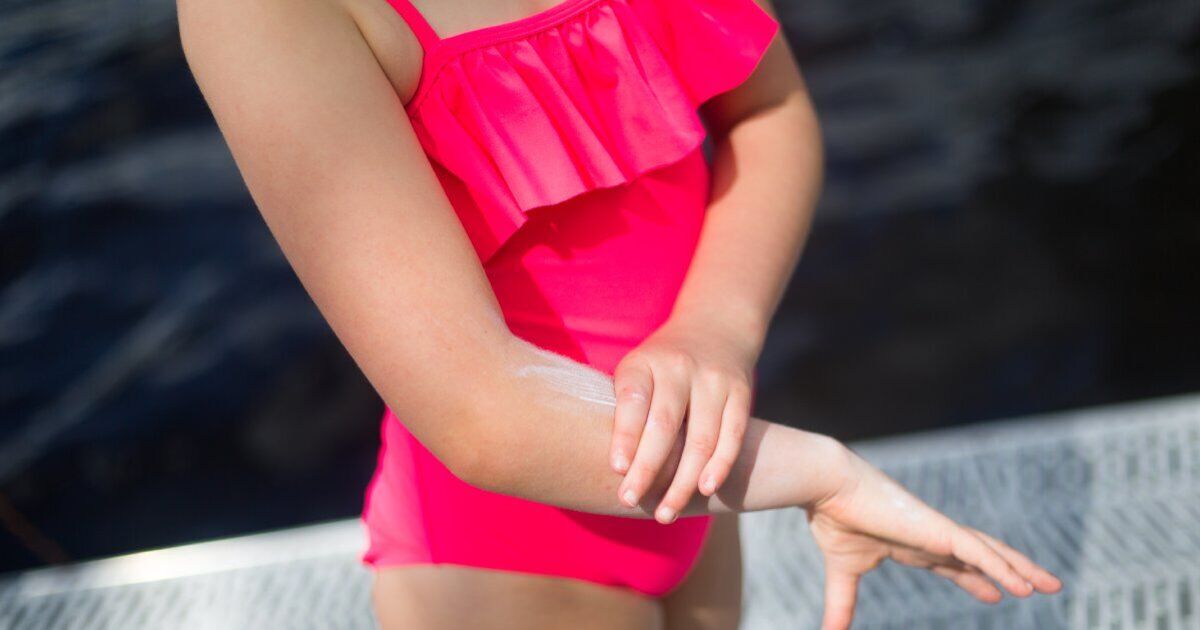

Are you potentially causing damage to your child’s skin? Take the quiz to find out if you’re bathing them in water that’s too hot or using ingredients that could cause a skin reaction. The test comes after research found parents may be unwittingly damaging their child’s skin by making everyday errors such as allowing them to spend too long in the sun or using fragranced products.
The study of 700 parents with children aged up to four, found 21% are doing something considered potentially damaging to their child’s skin every few days, or daily. But more than one third (35%) didn’t realise the actions they were taking were potentially harmful.
Pharmacist and health and wellness educator Nyrah Saleem, working with WaterWipes, which commissioned the research, said: “Becoming a new parent is overwhelming but small tweaks can help improve your child’s skin health.
“Nappy rash is an issue for two-fifths of parents. Each added ingredient in skin products increases the chance of a skin reaction, so check labels and use products with minimal ingredients to reduce the risk.”
The study also revealed 73% of parents have sought medical treatment for their kids due to skin irritation – and upon doing so, 24% found too much sun exposure was the cause.
For 23%, the use of harsh washing detergents was the reason, while 22% simply needed to change nappies more. While 18% found skin reactions were due to using creams, moisturisers or other skin care that had been designed for adults and not younger skin and for 15%, irritations were caused by products with a long list of ingredients.
Around one in 10 (12%) parents polled confessed they rarely or never check the ingredients in products they buy for children. More than a quarter (27%) admitted to not being particularly aware of the number of ingredients in them. While 21% didn’t even know there was a link between skincare products and their child’s skin reactions.
More than half (55%) usually stick with the same brands when it comes to what they use on their kids, according to the OnePoll.com figures. But selecting skincare or similar products with minimal ingredients is only a priority for 20%.
Dr Emer Gilligan from WaterWipes, which uses just 99.9% water and a drop of fruit extract, said: “As parents, we all want the very best for our children, and that starts with the products we use on their skin.
“A baby’s skin is thinner and more delicate than an adult’s and any additive has the potential to cause irritation. Choosing skincare formulations with fewer ingredients can help to minimise the risk of a skin reaction, so be sure to check labels and choose products with minimal ingredients.”