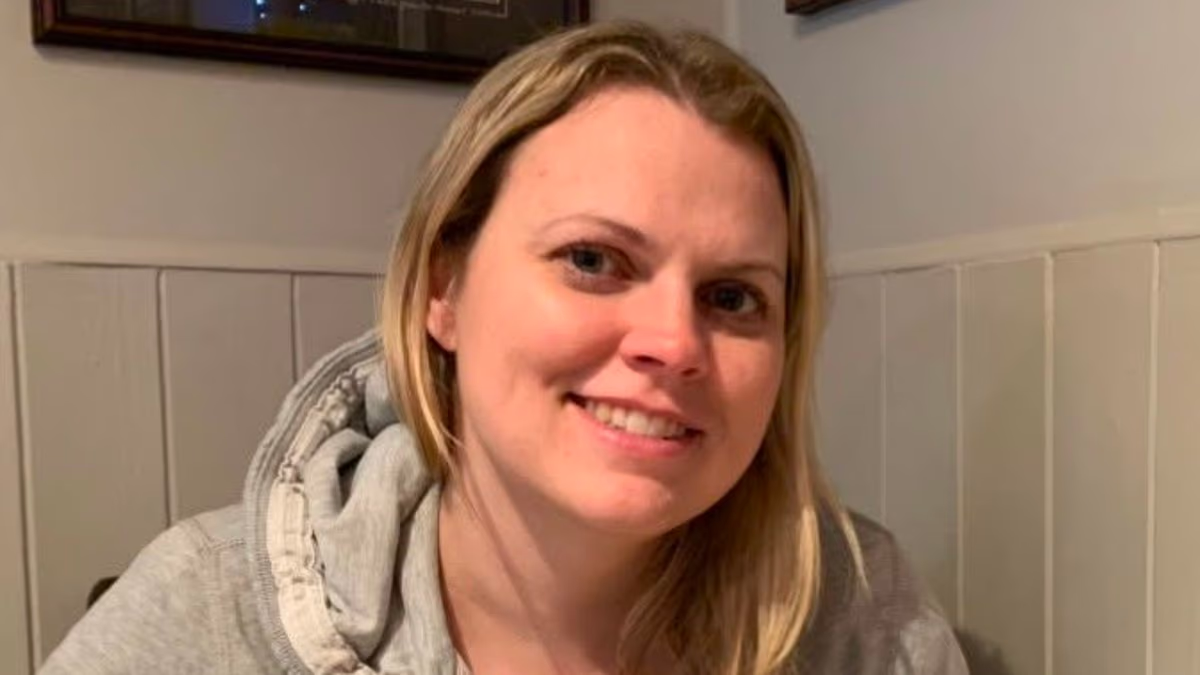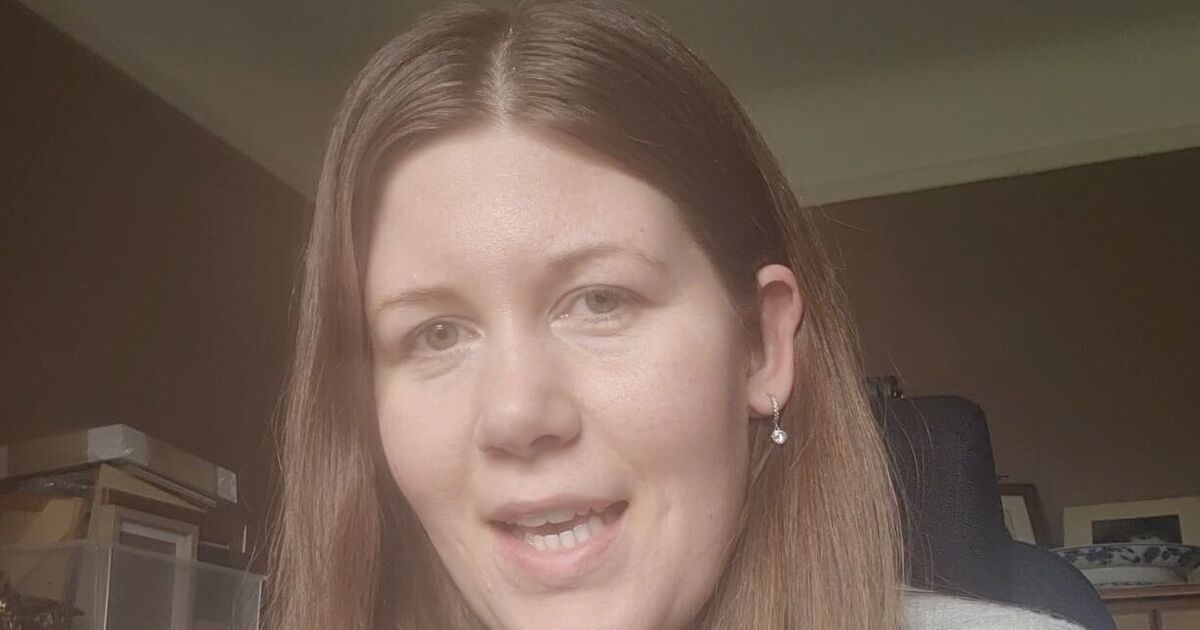

Emma Evens, who suffers from severe epilepsy and experiences debilitating “tonic clonic” seizures, has endured injuries including broken teeth, a damaged nose, and facial burns as a result of her condition.
The 34 year old from Wickford, Essex, lives with an invisible disability that not only impacts her health but also her social and work life, resulting in unfounded accusations of faking her symptoms. Opening up to NeedToKnow, Emma, an executive assistant, shared the unpredictability of her seizures: “I don’t get a warning when a seizure is coming on,” explaining that triggers are varied and can include heat, exercise, stress or skipping meals.
“It’s hard to pinpoint what triggers them; it could be heat, exercise, stress or not eating and drinking enough. I lose consciousness, make a loud noise and collapse.
“My body becomes rigid and jerks, but once that’s over, I just lay unconscious while my breathing stabilises. I’ve sustained multiple injuries from falls during seizures.
“I couldn’t tally how many stitches I’ve had. I’ve had them on my top right forehead, my nose, chin, lip and on my chest.
“The burn on my face from the cooker has left a scar and I’m now terrified to cook alone. I need help getting in and out of the shower or bath; [and driving is out of the question].
“Every day is a struggle – and I never feel safe.”
Emma, who has battled with seizures since the tender age of six, has grappled with sustaining employment due to societal prejudices. Sharing her grievances about being unjustly treated owing to her health issues, Emma stated: “I’ve been made to feel victimised and like a liar throughout most of my working life.”
She detailed the complications of juggling work with frequent seizures: “I remember once, my seizures were quite bad and I was having one every other week.”
In order to recuperate, Emma had no alternative but to request time off: “To recover, I’d need the next day off.”
This essential period of rest led to strained relations in her workplace: “However, these pushed my sick days up and eventually, I was approached by my line manager.”
A troubling discussion revealed a cap on her permitted absence due to illness: “In a meeting, they told me I was only allowed three sick days a month.”
Emma described her distress over the predicament: “I felt devastated.”
She reinforced that her epileptic episodes were beyond her control: “It’s not my fault; it’s not like I can control them.”
Feeling disparaged by her disability not being acknowledged, she deplored being perceived as exploiting her situation: “I hated that my condition wasn’t being treated as a disability but instead, as a way for me to get more time off work.”
Additionally, Emma endured social alienation at work as her peers distanced themselves over misconceptions about her epilepsy: “And not only that, colleagues avoided me out of fears I’d have a seizure in front of them.”
Summarising her sentiment, she stated: “It’s just degrading.”
On the flip side, her present occupation provides a more empathetic environment, thanks to a line manager who understands her necessities.
However, Emma underscores an urgent call for enhanced support in workplaces for disabled individuals: “All workplaces should have disability sickness, which is used for many people like myself, where it cannot be controlled.”
She advocates for differentiating between standard illnesses and those specifically related to disabilities: “Coughs, colds or other general illnesses should come from one pot and disability sickness should come from another.”
Education about such conditions must be amplified among staff members, insists Emma: “There needs to be more education in teams, especially so people know what to do.”
Now thriving in her role, Emma heads the disability network, fostering awareness and transformation: “I have a good job now, I’m the leader of the disability network, and I’m able to finally start living my life without impending fear of getting told off at work.
“There are so many people in the workplace and you don’t know who might have a hidden disability. Be kind, understanding and supportive”.
“I still haven’t figured out completely how to manage the seizures, but I make an effort not to engage in activities that often trigger them. With regard to socialising, caution is key since alcohol, a common precipitant, as well as staying up late, are off limits for me.
“[When it comes to] dating, I want to make sure that my relationships don’t end up with them becoming my carer. But I’ve been in a relationship with my partner for 12 years and while he always looks after me, it’s good to maintain independence, too.”