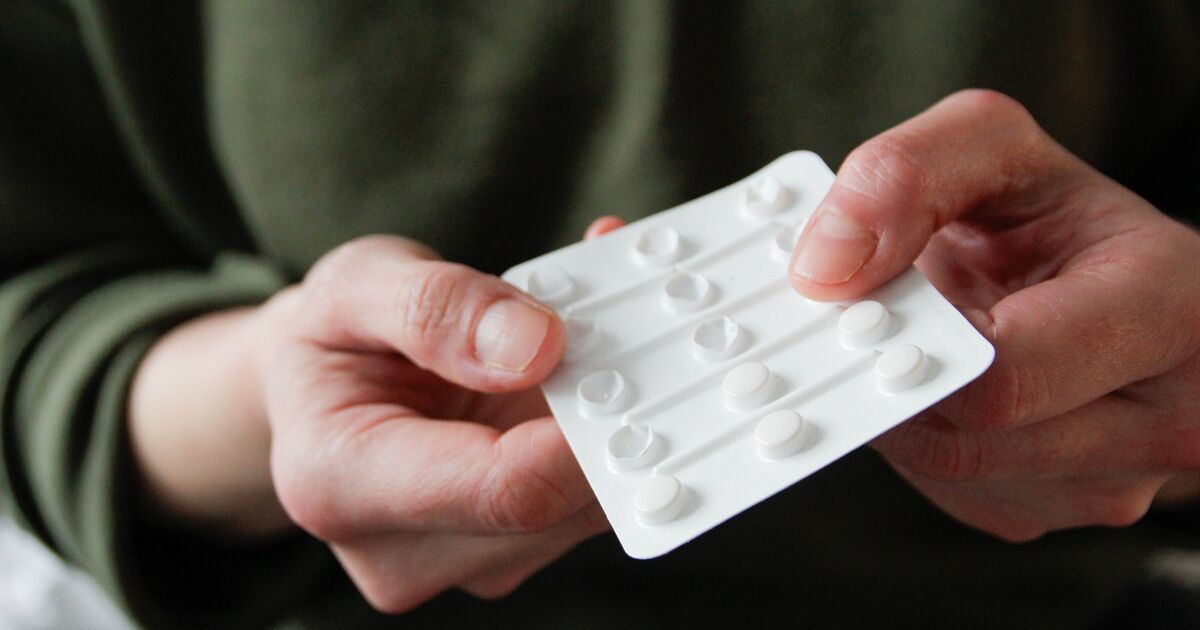

As the UK grapples with soaring pollen levels this week, scores of hay fever sufferers are reaching for antihistamines. A GP is debunking widespread myths about which allergy tablets pack a drowsy punch.
The common side effect of sleepiness is well-known, yet many are uncertain which varieties to choose, particularly when alertness is paramount, like before getting behind the wheel. A slew of individuals also fall into the trap of exceeding the standard advice of one tablet daily.
Teaming up with MattressNextDay, Dr Deborah Lee from Dr Fox Online Pharmacy provided insights on how different allergy tablets can influence drowsiness and sleep patterns.
What are the risks and likelihood of drowsiness when taking hay fever tablets?
Delving into the sedative risks associated with hay fever medication, Dr Lee explains that histamine is crucial in regulating our cycle of sleep and alertness. She identifies first-generation antihistamines such as diphenhydramine (Benadryl), chlorpheniramine (Piriton) and promethazine (Phenergan) as more prone to induce sleepiness.
Dr Lee expounds: “Recent research shows that the more modern second-generation antihistamines do not easily cross the BBB and are less likely to cause drowsiness. Second-generation antihistamines include cetirizine (Zyrtek) and loratadine (Claritin). However, the third-generation antihistamine fexofenadine (Allevia) does not cross the BBB at all and does not cause drowsiness.”
Martin Seeley, senior sleep expert at MattressNextDay, highlighted the potential downsides of first-generation antihistamines: “While first-generation antihistamines may help with nighttime allergy symptoms, they can disrupt the sleep cycle by reducing REM sleep and delaying its onset. This is because histamine acts like a natural wake-up signal in the brain, so blocking it can leave people feeling groggy or sluggish the next day, even after a full night’s sleep.”
He also warned about daytime use: “In some cases, if first-generation antihistamines are taken in the daytime then drowsiness can lead to napping, which can further throw off your sleep-wake rhythm and make it harder to maintain consistent, restorative sleep at night.”
The dangers to be aware of when taking antihistamines
The risks associated with antihistamine use were further emphasised by Dr Lee: “In a 2023 survey of drivers, 68% said that hay fever had impacted their driving. Although hay fever symptoms such as sneezing and runny eyes can directly impair driving ability, the sedating effects of antihistamines, which are the mainstay of hay fever treatment, are likely to have been a contributory factor.”
Dr Lee advised caution for certain professionals: “Occupations that require you to be alert and require careful concentration, such as airline pilots, HGV drivers, bus drivers, taxi drivers and those operating heavy machinery, should be careful with antihistamines and stick to no-sedating options such as fexofenadine. Anyone who drives a car should follow this advice.”
Martin advised: “If you start to feel drowsy after taking antihistamines while driving, the safest thing you can do is pull over at the next safe spot and take a short nap – about 20 minutes can make a big difference in restoring alertness. Caffeine can help temporarily, but it’s not a substitute for real rest, and its effects wear off quickly. To comfortably avoid drowsiness, make sure to take third-generation antihistamines when you have a drive ahead, like fexofenadine, and make sure you’re getting adequate sleep before driving.”
Non-drowsy alternatives to antihistamines
Dr Lee suggested: “Sodium cromoglycate eye drops are a preferred option among hayfever sufferers. These drops prevent the release of histamine and rarely cause drowsiness. Brand names include Opticrom, Allercom and Optrex; however, they may take 2 weeks to become effective. Steroid nasal sprays such as fluticasone (Flixonase) or budesonide (Rhinocort) are also good options for people who suffer with a runny, stuffy nose. The spray reduces swelling and inflammation inside the nose, helping to relieve sneezing and discharge.”
Martin advised: “Taking simple steps to keep your bedroom and home free from allergens can make a huge difference to your symptoms. Simple habits like showering before bed to remove pollen from your hair and skin, changing and washing your bedding frequently at 60C, and using allergen-proof covers on your pillows and mattress can help keep triggers at bay. Keeping windows closed during peak pollen times, vacuuming regularly with a HEPA filter, and reducing clutter can all help to remove pollen from your space. By reducing allergens in your home, you may find you need to rely less on antihistamines.”
Dr Lee stated: “Recent research has shown some natural products can be effective in hay fever treatment such as Manuka honey and butterbur (a wildflower). Steam inhalations and nasal irrigation can be helpful.”
How dangerous is it to take more than the recommended one pill a day?
Dr Lee warned: “It’s always important to take antihistamines exactly as directed. The instructions will be printed on the product label. Try not to miss out on any tablets. If you forget a tablet, skip that dose and take the next one when you normally take it. Do not take more than the recommended dose. For adults taking fexofenadine, for example, this is one tablet per day.
“Do not drink alcohol when taking antihistamines as this can worsen the sedating effect. Also, be sure to check with our GP or pharmacist and read the Patient Information Leaflet (PIL) to be sure you are not taking any other medication that could cause a drug interaction.
“In general, it doesn’t matter if they are taken with or without food, but make sure you drink plenty of water to prevent dehydration. If you take two tablets in a day you might notice a faster heart rate, feel dizzy, have dilated pupils and a dry mouth. It’s unlikely taking two tablets would have serious medical consequences, but it’s clearly not advisable. You should also never take two different antihistamines at the same time.”


