
Bronchiectasis, a lesser-known condition that damages the lungs and airways, often has no clear cause and is incurable. The condition leads to an overproduction of phlegm, causing a variety of other problems and presenting some unusual symptoms that may not appear related to the lungs.
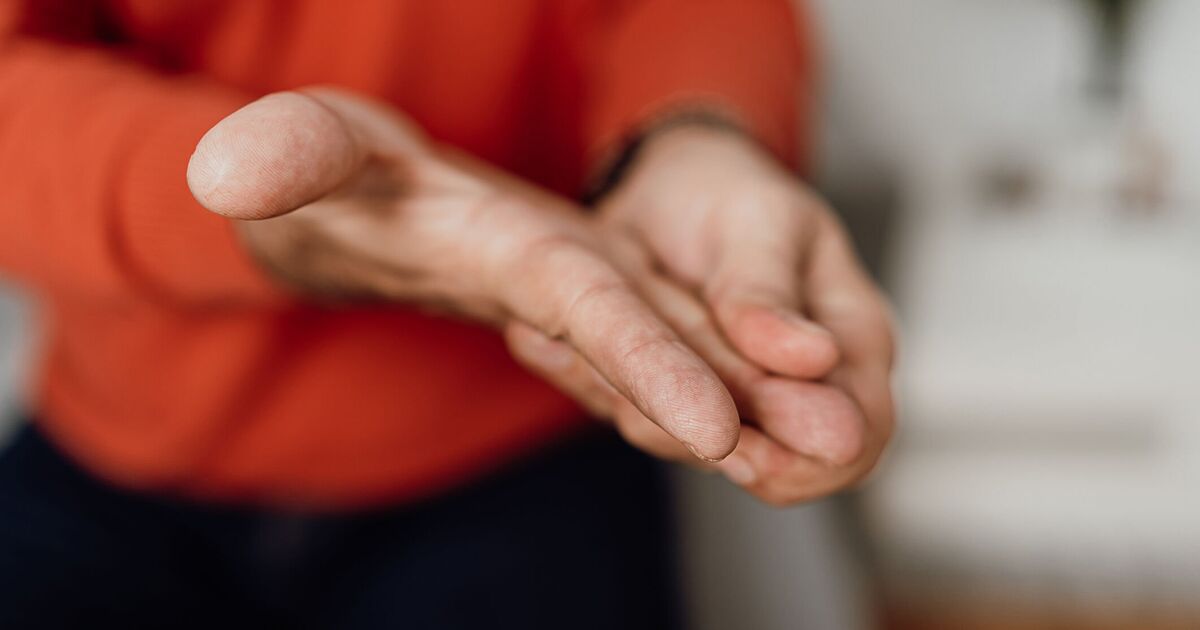
According to Asthma + Lung UK, rounded fingertips, or ‘clubbing’, can be an early warning sign of bronchiectasis. This is when the fingertips swell, giving them a more rounded or clubbed appearance around the nails. Clubbing typically occurs due to chronic low blood-oxygen levels caused by lung diseases like bronchiectasis. The charity highlights that approximately one in 200 adults in the UK will be affected by bronchiectasis.
Lung conditions like bronchiectasis also place additional strain on the muscles in your bladder, bottom and pelvic floor.
People with bronchiectasis may experience incontinence as a result, possibly urinating or defecating slightly when they exert themselves, for example, when coughing or laughing.
Other symptoms of bronchiectasis include a regular cough with sputum, repeated chest infections, breathlessness, fatigue, and chest pain or tightness.
While bronchiectasis cannot usually be cured, treatment focuses on managing symptoms and preventing the condition from worsening.
This may involve antibiotics to fight chest infections and flare-ups. If you have numerous flare-ups in a year, you may need to be put on long-term antibiotics.
You might also be referred to a respiratory physiotherapist who can instruct you on how to clear your airway of excess phlegm. It’s also advised to give up smoking to better manage your condition.
In rare instances, surgery may be required to repair lung damage or if the condition has caused one of your lungs’ blood vessels to rupture, leading to coughing up blood.
If you are diagnosed with bronchiectasis, Asthma + Lung UK provides support groups, advice on managing your condition and what assistance you should be receiving.
The NHS also recommends regular exercise, a healthy diet and doing your utmost to avoid infections like colds and flus.