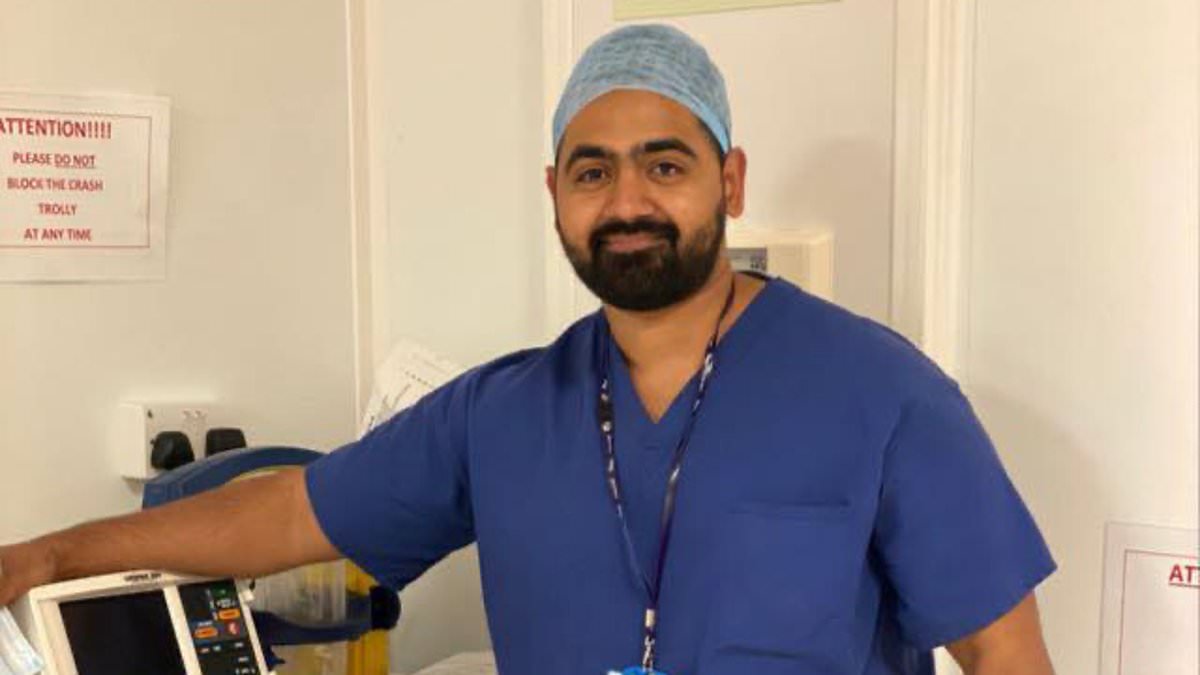

A top doctor has detailed the cheap store cupboard essentials that can dramatically boost fibre intake—a key way to beat bowel cancer, according to experts.
In an Instagram video, viewed 1.1 million times, Dr Karan Rajan, a surgeon working in NHS hospitals, dubbed his simple method ‘fibermaxxing’.
He said: ‘If you want easy ways to fibermaxx with stuff you already have in your kitchen, I am going to show you just how simple it is.’
Research shows that fibre—the indigestible parts of plants that aid digestion—plays a key role in preventing bowel cancer.
Bowel Cancer UK estimates that a lack of the nutrient is behind 28 per cent of all cases in the UK—yet just nine per cent of adults eat the recommended 30g a day.
The doctor suggests eating a combination of ingredients that are each five grams worth of fibre.
The list he provides includes: 50g of pistachios or almonds, 80g of raspberries, 100g of frozen peas, 100g of hummus, 50g of dark chocolate and 75 grams of lentils.
He also recommends fruits like an apple, avocado or a pear a day to boost fibre intake, adding: ‘Combining any three for a fibre rich meal would be 15g of fibre.’

In an Instagram video viewed 1.1 million times Dr Karan Rangarajan said that you do not need supplements to reach your required daily intake of fibre if you follow his tips
He continues: ‘When you stack fibre like this you are [also] getting it from three different sources all of which provide different phytonutrients, polyphenols and prebiotic fibres.
‘These all have different impacts on your gut microbiome and their own special skill set.’
Fibre is a type of carbohydrate in plants, but unlike sugar and starch it isn’t absorbed by the body. Instead, it keeps the gut healthy and functioning properly.
The nutrient is found in wholegrain cereals, beans, pulses, nuts, seeds, and fruit and vegetables.
Research published earlier this year by experts at the University of California San Diego suggested that E-coli infections—a foodborne infection that damages the gut— is behind the rise in bowel cancer cases.
Experts have previously told the Mail on Sunday that fibre could help protect against the infection blamed for the rise in cases.
Dr Alasdair Scott, a gut specialist and science director at Selph—a health-testing firm —says high fibre intake is one of the few ways to counteract harmful E.coli in the gut.
‘There’s not much people can do if the E.coli bacteria does contribute to early onset colon cancer,’ he says. ‘But we do know that a high-fibre diet can protect against the type of mutation that causes tumours to develop.’

Bowel cancer can cause you to have blood in your poo, a change in bowel habit, or a lump inside your bowel which can cause an obstructions. Some people also suffer with weight loss as a result of these symptoms
Bowel cancer is on the rise in younger adults, even as rates fall among older generations.
People born in 1990 are three times more likely to develop bowel cancer than those born in the 1950s, according to global research.
In the UK, the disease kills nearly 17,000 people a year.
While the vast majority of cases still occur in over-50s, around five per cent now affect adults aged 25 to 49—and that figure is steadily climbing.
The main symptoms include changes in toilet habits, such as softer stools, diarrhoea or constipation.
Going more or less often than usual, blood in the stool, or a feeling that you still need to go even after just going, can also be warning signs.
Cancer Research UK estimates that more than half—54 per cent—of bowel cancer cases are preventable.
Known risk factors include a diet low in fibre, eating too much red or processed meat, and obesity.