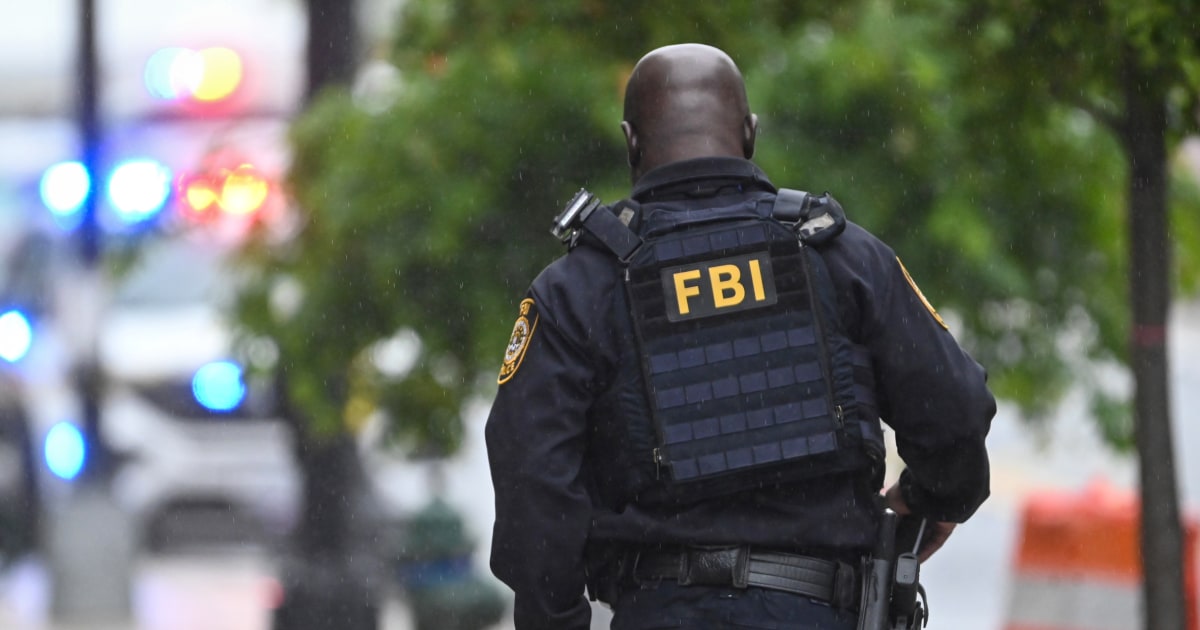

The FBI has decided to reassign counterterrorism agents who had been temporarily redirected to handle immigration cases, reinstating them to their original roles due to growing concerns over potential threats from Iran, according to four sources familiar with the situation, as reported by NBC News.
Over the weekend, Don Holstead, the assistant director for counterterrorism, issued instructions to redirect agents, specializing in counterterrorism, counterintelligence, and cyber operations, back to their primary functions. This shift comes after they were diverted to manage immigration matters, as per information from two individuals.
All four sources indicated that this adjustment is connected to the risks of Iran possibly retaliating against the U.S. over its recent actions against Iranian nuclear facilities. NBC News reported that Iranian representatives have warned U.S. officials about deploying so-called sleeper cells within the country if they feel threatened by attacks.
The FBI said it does not confirm or deny operational changes.
“However, we continuously assess and realign our resources to respond to the most pressing threats to our national security and to ensure the safety of the American people,” it said in a statement.
For months, current and former FBI officials have warned about a new requirement that FBI employees across the country, including some who specialize in national security, spend significant amounts of time helping Department of Homeland Security officers track down undocumented immigrants, which is not traditionally an FBI role.
FBI Director Kash Patel imposed the requirements pursuant to Trump administration executive orders.
Many current and former bureau officials had expressed concern that given the FBI’s limited resources, crucial national security threats could get less attention because of the focus on immigration. There have also been a series of departures from key national security jobs in the Justice Department and the FBI. NBC News reported this week on a so-called brain drain from national security positions due to resignation in both agencies.
“The firings and retirements have had some effect, but the greater impact is from the top-down redirection of FBI resources to immigration and to cartels,” said an FBI employee who spoke on condition of anonymity. “The counterterrorism mission has been fundamentally redefined to treat drug cartels as designated Foreign Terrorist Organizations. That has consumed huge resources across the FBI field and at HQ and at DOJ.”
Traditionally, cartels and criminals have been investigated by the criminal sections of the FBI and the Justice Department, while terrorism came under each organization’s national security sections, staffed by different people, FBI employees said.
In theory, if cartels are now international terrorist organizations, the FBI’s Counterterrorism Division should manage those cases, the employees added, but agents from that division are not experts in cartels.
At the same time, many criminal squads do not usually work with intelligence information and do not operate in facilities designed to protect classified documents.
The FBI is relatively small — 38,000 employees, many of them not agents, officials said. So shifting agents to new missions has an impact.
“When you shift to make the border the top priority, you necessarily lower other priorities,” the FBI employee said. “The FBI doesn’t admit it, but it’s math.”
A second FBI employee said the shift of agents toward immigration had affected the bureau. “We were already spread pretty thin. It will only take one crisis to really stress the system,” the second FBI employee said. “On the terrorism front, I think the only way we will see the impact, unfortunately, is when something bad happens.”
A third FBI employee praised the reallocation of resources in the wake of the threats from Iran.
“Guess they are realizing this whole national security thing is important, after all,” the employee said.