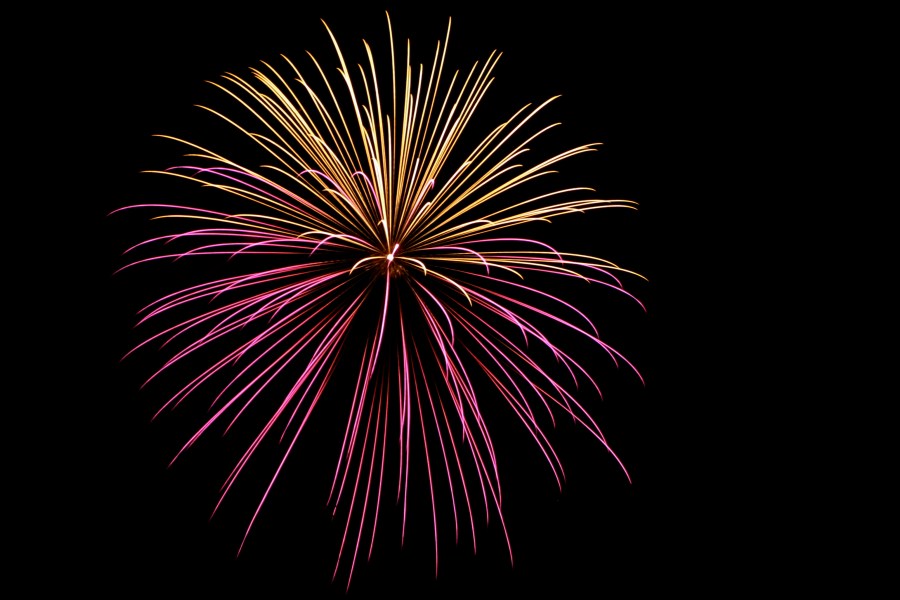


In Savannah, Ga., as the 4th of July approaches, anticipation builds not only for fireworks but also for the weather forecast that could significantly influence the event. Every year, communities nationwide gather to witness vibrant pyrotechnic displays, and the success of these shows heavily depends on meteorological conditions. Let’s explore the science behind this spectacle.
How Are Fireworks Made?
Fireworks are crafted with a precise blend of explosive and non-explosive materials, systematically arranged to produce distinct patterns, impacts, and colors. The array of brilliant colors visible in the night sky results from various chemical elements:
- Strontium gives us reds
- Calcium gives us orange
- Copper produces blues
- Sodium makes yellows
- Barium provides greens
- Magnesium and aluminum create bright whites and silver sparks
Each element is carefully selected for its ability to burn at a particular temperature and display a unique color. Consequently, atmospheric conditions such as humidity or wind can alter the way these colors are perceived.
How Weather Can Dull a Fireworks Display
We all know rain and clouds are bad news for fireworks. But what about weather conditions we don’t usually think about, like humidity and wind? These also play key roles in how well a firework display performs.
Humidity: The Invisible Color Filter
Humidity, or the amount of water vapor in the air, directly impacts how light travels. On very humid nights, the air is full of water molecules. When the bright light from fireworks hits those molecules, the light scatters, making the colors appear duller and more muted.
- Low humidity = sharper, more vibrant colors
- High humidity = softer, duller colors
However, there’s a catch. Extremely low humidity increases fire danger, especially in dry regions. So the perfect mix? Moderately low humidity with no drought conditions.
Wind: Too Much or Too Little?
Wind is another key factor when it comes to fireworks.
- Strong winds can blow fireworks off course, which is not only dangerous but can cause damage to structures or buildings.
- No wind at all: Smoke from the fireworks can linger in the air, affecting the view and impacting air quality.
The ideal scenario: light winds, just enough to keep smoke moving away from the crowd without disturbing the fireworks’ path.
The Ideal Fireworks Forecast
So, what’s the perfect recipe for a great night of fireworks? Here’s what we’re hoping for this 4th of July:
- Clear sky: No cloud cover or fog to hide the display
- No rain: Keeps the equipment dry and safe
- Moderate to low humidity: For vibrant, brilliant colors
- Light, steady winds: For clean air and safe launches
All of these combined give us the ideal setup for a safe and Happy 4th of July!