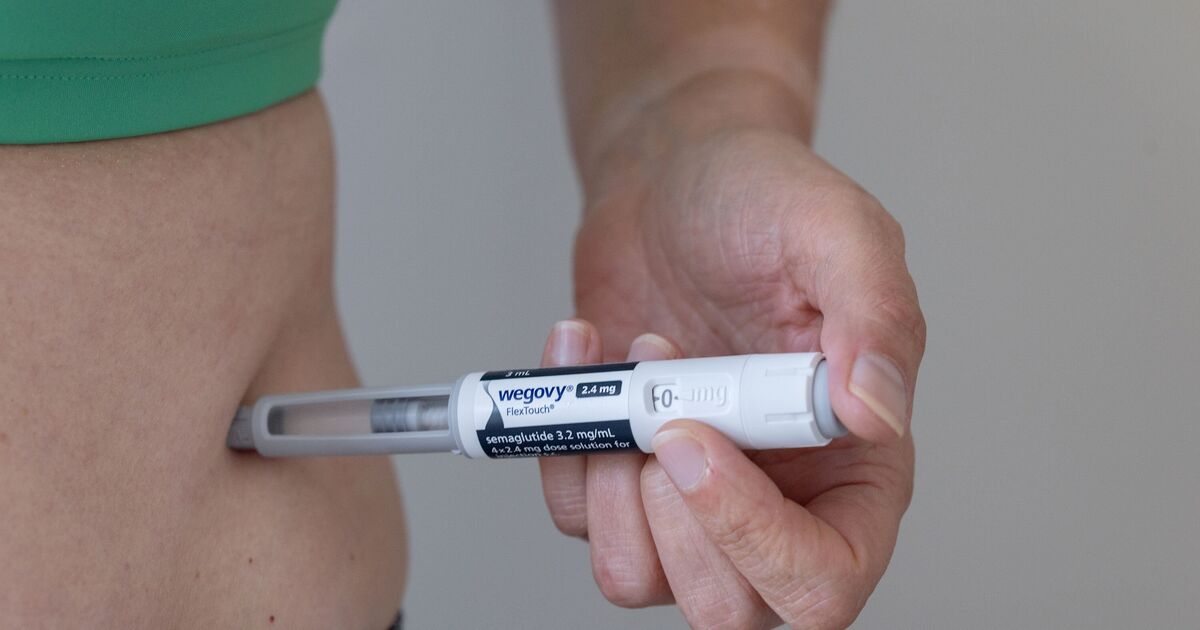

Patients coming off popular weight-loss injections such as Wegovy and Mounjaro risk piling the pounds back on unless they are given proper support, health chiefs have warned. The National Institute for Health and Care Excellence (Nice) said people finishing treatment through the NHS must receive structured follow-up, amid growing evidence that many patients regain weight once they stop taking the drugs.
Professor Jonathan Benger, deputy chief executive and chief medical officer at Nice, said weight management “doesn’t end when medication stops” and warned that the post-treatment period was “crucial”. He said patients “need structured support to maintain the positive changes they’ve made”. The new “quality standard” published by the health watchdog outlines expectations for care providers in England and Wales. It says NHS patients should be monitored for at least a year after treatment ends, with tailored support provided if needed.
That could include help building long-term habits, using self-monitoring tools such as fitness trackers or food diaries, and making use of wider support — including online communities, local activities and family-led programmes.
Roughly 240,000 people deemed to have the “greatest need” are expected to receive tirzepatide, branded as Mounjaro, on the NHS over the next three years. However, the vast majority of patients using weight-loss jabs are paying for them privately and will not qualify for any follow-up support.
An estimated 1.5 million people in the UK are currently taking weight-loss injections. Without proper follow-up, many face the risk of regaining the weight, as shown in early research and clinical trials.
Dr Rebecca Payne, chair of Nice’s Quality Standards Advisory Committee, said the evidence was clear that advice and monitoring after stopping medication “can help prevent weight regain and enable people to experience lasting benefits”. She said the guidance would ensure “all healthcare providers adopt best practice” and offer patients “the best chance of maintaining their weight management success over the long term”.
College of GPs, said there was “no one-size-fits-all” approach to treating obesity and warned that weight-loss drugs “do not come without risk”. She said the guidance was “important and sensible”, but stressed that medication alone “mustn’t be seen as a silver bullet”. Patients, she said, “will likely need support to sustain their weight loss once they stop taking the medication”.
Pharmacists, meanwhile, have warned that the current NHS rollout covers only a small minority of users. Most patients, they say, will continue to be treated in the private sector — where structured long-term support is far less consistent.
Henry Gregg, chief executive of the National Pharmacy Association, said pharmacies were already providing wraparound support to many patients. But he warned: “Although medication can be effective in speeding up weight loss in some people, it is not a silver bullet and patients need to make long-term lifestyle changes to make their weight loss sustainable.”
The new standard is part of a broader NHS push to shift from reactive care to preventative health. The 10-Year Plan includes a focus on obesity, behavioural interventions and community support.
Professor Benger said the new guidance “makes sure services provide that vital continuity of care” and added: “It’s about making sure people aren’t set up to fail once the medication stops.”
While Nice’s quality standards are not legally binding, they are widely seen as a benchmark for best practice and influence how NHS services are delivered and commissioned across the country.
To be eligible for treatment with Wegovy or Mounjaro on the NHS, patients must usually have a BMI of 35 or higher and a related health condition such as type 2 diabetes. Those with a BMI between 30 and 35 may qualify in exceptional cases.
The long-term use of the drugs remains under review, but early evidence suggests that people who stop taking them without structured follow-up are highly likely to regain weight.
Dr Payne said the aim of the new standard was to ensure all services are “equipped to provide that essential ongoing support”. She added: “Weight management is a long-term journey, not a short-term fix.”