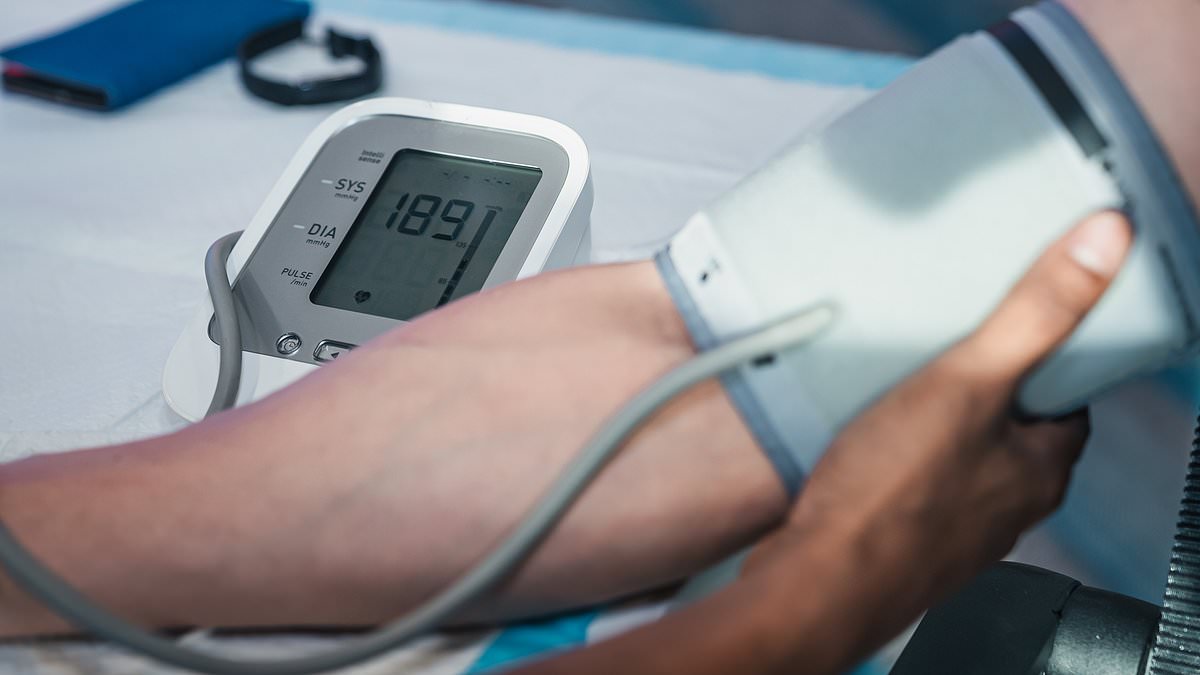

New research reveals that even moderate alcohol consumption can elevate blood pressure and strain the heart. This finding raises concerns for the approximately 14 million individuals in the UK who live with high blood pressure.
Alarmingly, nearly 50% of those suffering from hypertension remain unaware of their condition. If untreated, high blood pressure can lead to life-threatening complications such as heart attacks, strokes, kidney disease, dementia, and premature death.
However, researchers at the Institute of Science Tokyo have discovered that reducing alcohol intake could result in significant reductions in blood pressure. This insight highlights the potential health benefits of cutting back on alcohol consumption.
It’s well-established that alcohol can raise blood pressure both immediately and over time by stimulating the nervous system, which in turn accelerates the heart rate and constricts blood vessels.
In line with these findings, NHS guidelines advise against exceeding 14 units of alcohol per week—roughly the equivalent of six glasses of wine—to maintain a healthy blood pressure and overall well-being.
As such, NHS guidelines recommend drinking no more than 14 units of alcohol a week—the equivalent of six glasses of wine.
The most recent American Heart Association blood pressure guidelines also advise against binge drinking, suggesting women should limit their intake to one or fewer alcoholic drinks a day, and men two or fewer.
However, until now, the impact of changes in light-to-moderate drinking habits on blood pressure, especially among women, has remained unclear.

Even light-to-moderate drinking was found to have an adverse effect on blood pressure
‘Our study set out to determine whether stopping alcohol use is associated with improvement in blood pressure levels among habitual drinkers and whether starting alcohol use affects blood pressure among non-habitual drinkers’, Dr Takahiro Suzuki, study lead author explained.
‘We focused on understudied groups, particularly women, light-to-moderate drinkers and consumers of different beverage types, to better understand how even low levels of alcohol consumption influence BP management, a critical public health issue.’
In the study, researchers analysed data from over 359,700 annual health check-ups from 58,943 adults between 2012 and 2024, tracking changes in blood pressure.
Alcohol consumption was self-reported and categorised by standard drinks per day, with participants split into two groups: habitual drinkers at first check-up and non-drinkers at first visit.
Participants in the first group who gave up alcohol experienced a significant reduction in blood pressure.
Women who used to drink one to two drinks a day before giving up alcohol experienced a decrease of around 1.14mmHg in diastolic blood pressure, whilst men who stopped drinking at similar levels saw their blood pressure drop by 1.62mmHg.
Conversely, participants who didn’t previously drink but started after the initial check-up experienced higher blood pressure based on how much they were drinking, with similar trends across sexes.
Interestingly, the researchers found that the type of alcohol—including wine, beer and spirits—didn’t seem to have an effect on blood pressure control, suggesting that quantity not quality is the primary driver of blood pressure changes.

The effect of light-to-moderate drinking, such as one glass of wine a night, on women’s blood pressure has been historically under researched
Dr Suzuki added: ‘Our study shows that when it comes to blood pressure, the less you drink, the better.
‘The more alcohol you drink, the higher your blood pressure goes. In the past, scientists thought that small amounts of alcohol might be okay, but our results suggest that no alcohol is actually best.
‘This means that stopping drinking, even at low levels could bring real heart benefits for both women and men.’
Harlan Krumholz, editor in chief of The Journal of the American College of Cardiology, where the study was published, noted that the findings challenge long-standing assumptions that low levels of alcohol do not have a significant impact on blood pressure.
‘These findings suggest that alcohol cessation, even from low levels, could prevent or treat hypertension.
‘This is especially important as treatment targets for blood pressure have been lowered,’ he added.
High blood pressure is considered to be 135/85mmHg or higher if the reading was taken at home, or 140/90mmHg or higher if taken by a healthcare professional.
As a general guide, healthy blood pressure is considered to be between 90/60mmHg and 120/80mmHG, with over-40s looking to sit at around 115/75mmHg to reduce heart attack risk.
And whilst blood pressure does inevitably creep up with age, as arteries become stiffer, experts have long advised cutting back or giving up alcohol to help manage blood pressure and ward off heart attack, stroke and kidney disease.
It comes as experts have warned no amount of alcohol is safe when it comes to dementia.
Research has long suggested that the occasional tipple could benefit brain health.
But British and US scientists have discovered that drinking any level of alcohol could raise the risk of developing dementia.
This was worst among heavy drinkers who has an increased risk of over 40 per cent.
Dr Anya Topiwala, a consultant psychiatrist and study co-author, said: ‘Even light or moderate drinking may increase the risk of dementia, indicating that reducing alcohol consumption across the population could play a significant role in dementia prevention.’