
The U.S. Coast Guard (USCG) recently declared a significant triumph in the fight against drug trafficking, intercepting 100,000 pounds of cocaine through Operation Pacific Viper. This extensive international campaign focuses on dismantling transnational criminal networks operating within the Eastern Pacific.
Operation Pacific Viper represents a strategic intensification of Coast Guard presence in the Eastern Pacific, with the primary aim of thwarting cartels and criminal organizations before their illicit drug and human trafficking activities can reach the United States. As per an October 14 statement from the Coast Guard, the initiative, backed by the Department of Homeland Security (DHS), is averaging the interception of about 1,600 pounds of cocaine each day, recording 34 interdictions since its commencement.
“Operation Pacific Viper has emerged as an essential tool in combating foreign drug traffickers and Latin American cartels, clearly signaling our commitment to disrupt, dismantle, and obliterate their perilous enterprises wherever they operate,” stated Homeland Security Secretary Kristi Noem. “By stemming the tide of these lethal substances, the Coast Guard is safeguarding countless American lives and fulfilling President Trump’s pledge to enhance national safety and reaffirm our dominance at sea.”
Back in August, the operation led to the Coast Guard’s largest-ever drug offload. The USCGC Hamilton unloaded over 76,000 pounds of illegal narcotics, with an estimated value of $473 million, at Port Everglades. This haul included about 61,740 pounds of cocaine and 14,400 pounds of marijuana.
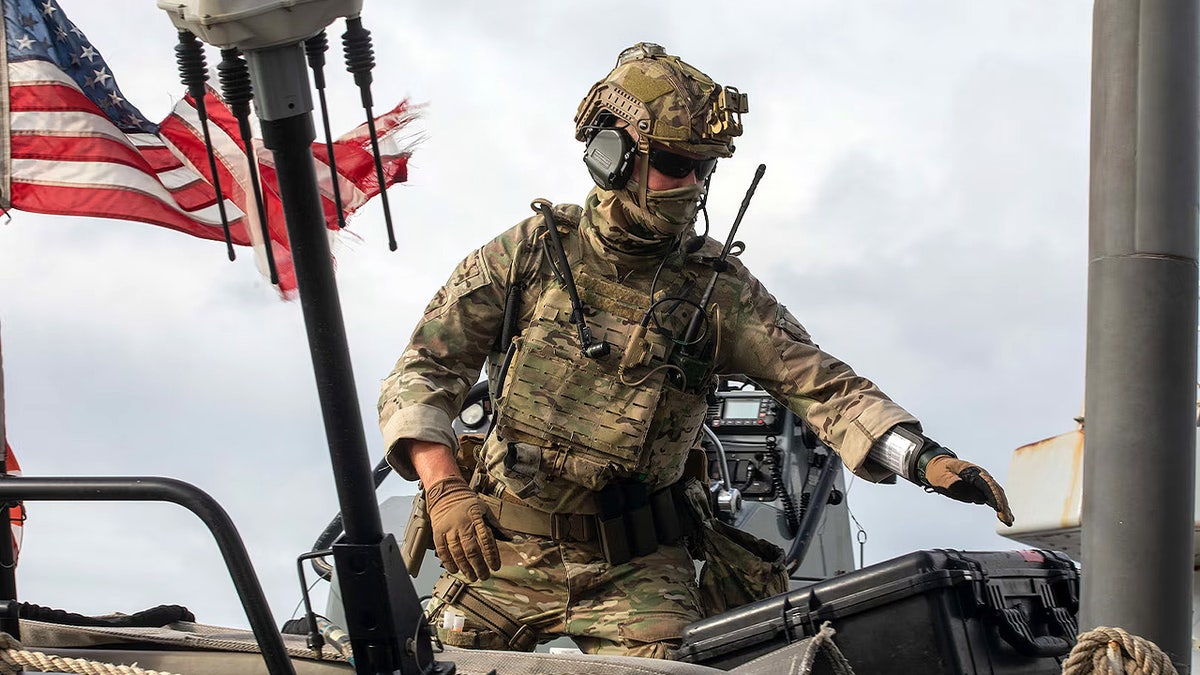
In San Diego, a U.S. Coast Guard crew member offloads the seized cocaine following the success of Operation Pacific Viper in the Eastern Pacific. (U.S. Coast Guard)
‘A global logistics enterprise’
To shed light on the cocaine trade’s impact on national security, Fox News Digital consulted Spencer Coursen, a threat management expert with a background as a U.S. Army Ranger and special deputy marshal. Coursen highlighted that the majority of cocaine intended for the U.S. originates from Colombia’s Pacific coast. Its journey often includes transit through Ecuador, Peru, or Venezuela, subsequently moving northward via the Caribbean, Mexico, or increasingly, the Pacific corridor.
People flock to Windansea Beach along the La Jolla coast on May 10, 2025, in San Diego, California. The Coast Guard has been targeting drug traffickers who have been sending narcotics toward American shores. (Kevin Carter/Getty Images)
As law enforcement efforts tightened along traditional routes, cartels shifted west, taking advantage of the vastness of the Pacific to evade detection.
“They’re not street gangs,” Coursen said. “They’re global logistics enterprises that rival Amazon, vertically integrated from jungle production to port distribution. They have infrastructure, surveillance, counter-surveillance and billions in cash and weapons to protect their routes.”
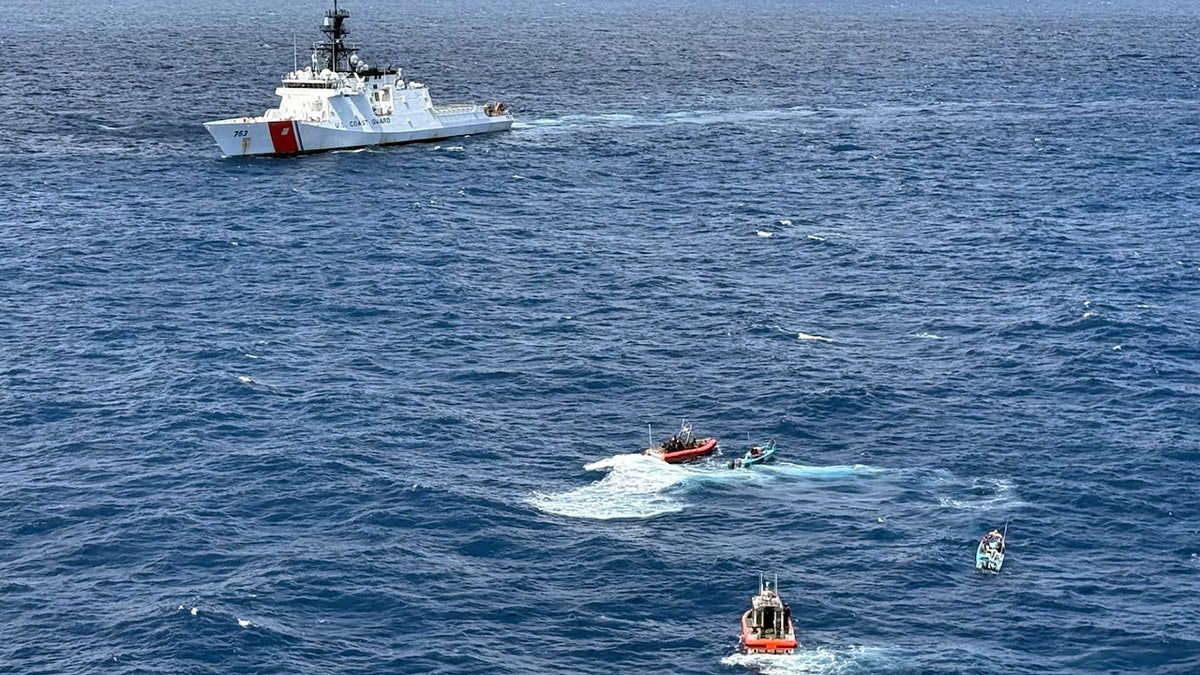
The U.S. Coast Guard approaches a suspected smuggling vessel in the Pacific Ocean during Operation Pacific Viper, part of ongoing efforts to disrupt cartel maritime networks. (U.S. Coast Guard)
Coursen said that while the operation’s success spotlights the Coast Guard’s vigilance, it also gives a glimpse into the sheer scale and sophistication of the narcotics trade.
“Every win is great,” Coursen said. “But every win is also an insight into just how much cocaine is being moved. The most recent estimates show 3,000 to 4,000 tons a year—about 6 million pounds. So even massive interdictions like this are only scratching the surface.”
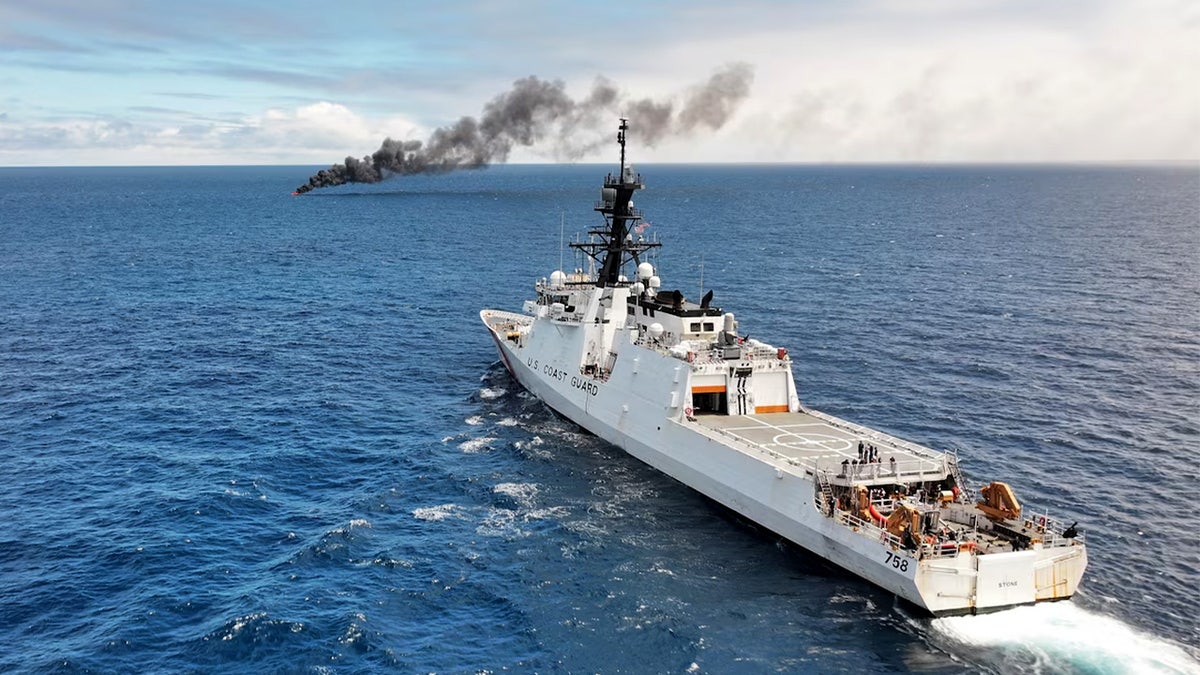
A U.S. Coast Guard cutter patrols the Eastern Pacific during Operation Pacific Viper, part of the service’s ongoing mission to intercept drug trafficking vessels at sea. (U.S. Coast Guard)
Coursen warned that despite major seizures like Operation Pacific Viper, cartels’ vast resources allow them to absorb losses and continue operations.
“If nine out of 10 shipments are seized, they’re still making a profit,” he said. “Each one is insured by scale. To them, it’s a tariff—just the cost of doing business.”
He added that the U.S. remains the largest consumer of cocaine globally, accounting for an estimated 40% of worldwide demand.
Despite the success of Operation Pacific Viper, Coursen said interdiction alone will not solve the problem.
“It’s an enormous challenge,” he said. “But every interdiction is a win for national security, and for the men and women who put themselves in harm’s way to make it happen.”