
Cloned meat is poised to make its debut in Canadian supermarkets without undergoing safety reviews or requiring specific labeling.
In a recent policy shift, Health Canada has abandoned its long-standing rule that categorized cloned meat as a “novel food.” This change eliminates the need for pre-market safety assessments, thereby allowing these products to be made available to consumers without any explicit labeling.
This decision has ignited widespread concern in the United States, where similar products have been sold for years without labels, largely unnoticed by the general public.
The U.S. Food and Drug Administration (FDA) had already given the green light to meat and milk from cloned cattle, swine, and goats, as well as their offspring, as far back as January 2008.
Now, almost two decades later, many Americans are only beginning to realize that cloned meat has been a part of their food supply all along.
The revelation has triggered a wave of shock and disbelief across social media platforms, with many users expressing their outrage and calling the situation unacceptable.
Some argued that if cloned meat is allowed, it must at least be clearly labeled with its origin and production method.
Others claim they have unknowingly purchased cloned products and say the FDA has failed American consumers.

Cloned meat will soon hit Canada’s food system, but the news has sparked outrage among Americans who are just now learning the food has been in the US for nearly two decades
Many Americans oppose cloned meat due to concerns about animal welfare, food safety, and ethical or religious objections.
Opponents have highlighted the high rates of suffering in cloned animals, including health problems and miscarriages, and the risk of antibiotics or hormones entering the food supply.
Ethical objections often include a general unease with the technology and fears that it could lead to human cloning.
Even more, cloned meat is not allowed for food production in Europe due to a ban on the cloning of farm animals and the sale of products derived from them
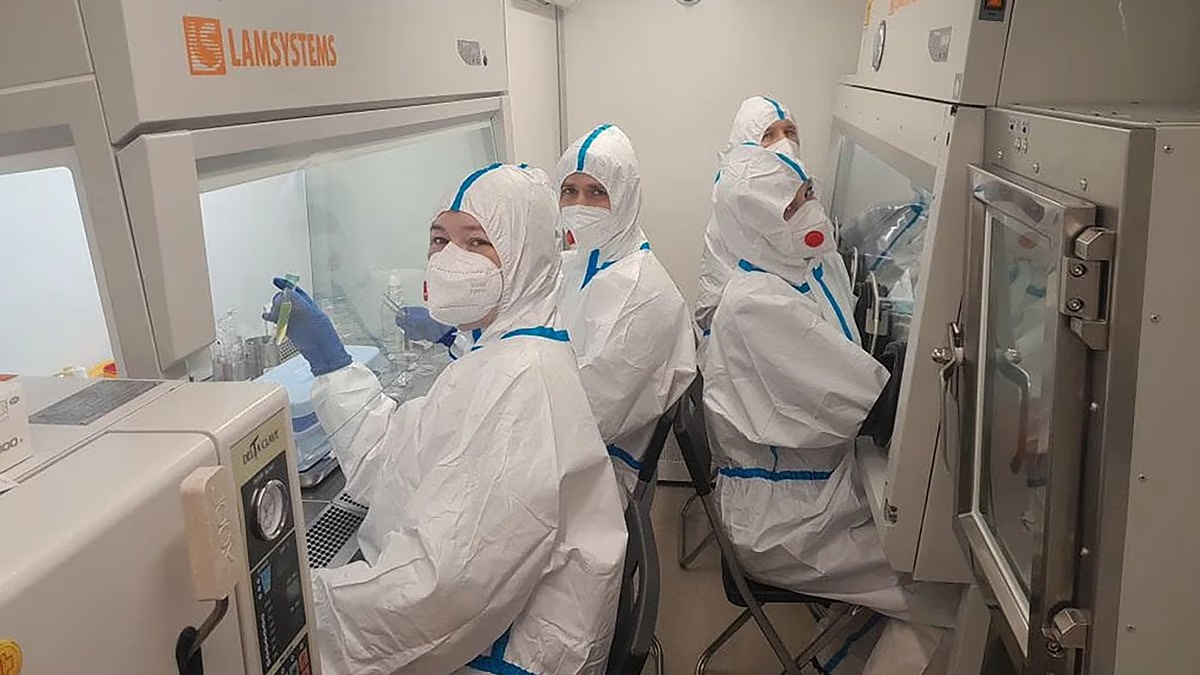
The process to make cloned meat begins with the creation of a genetically identical copy of a ‘desirable’ animal.
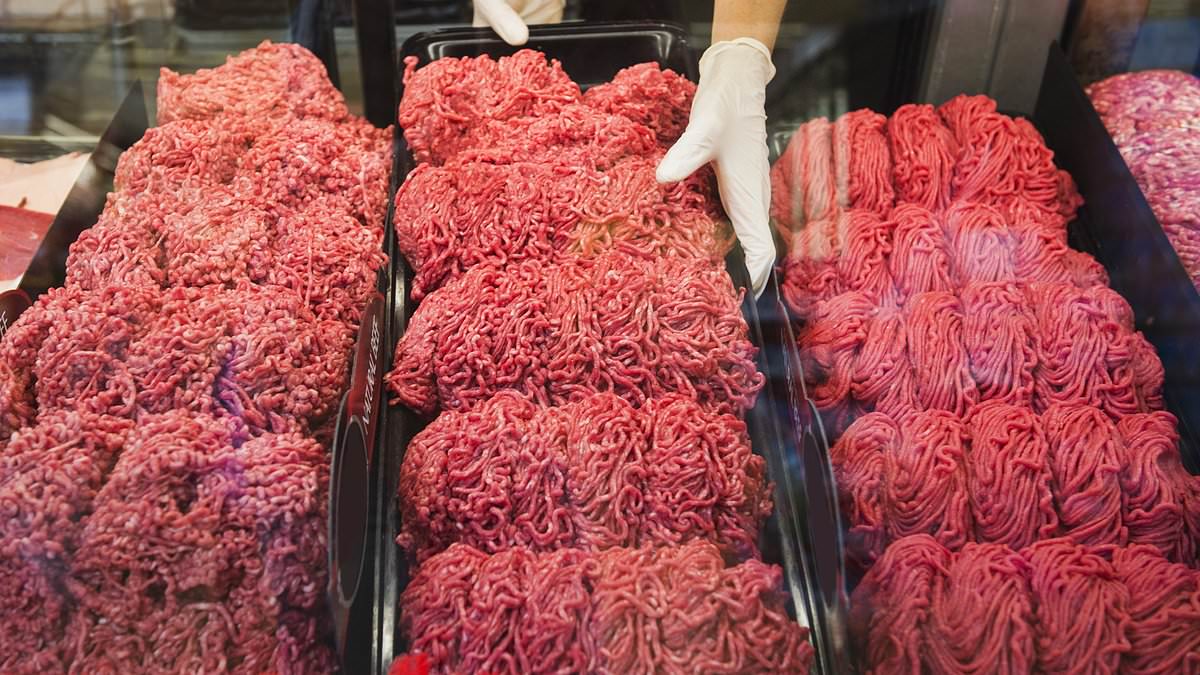
That clone is then bred through normal reproduction, and its offspring eventually enter the food chain as meat, without shoppers having any way to know.
Health Canada has planned to roll out the change next year, after meat from cloned animals and their offspring will no longer be classified as ‘novel foods.’
This change eliminates the requirement for pre-market safety assessments and allows products to be sold without any disclosure.

Many Americans oppose cloned meat due to concerns about animal welfare, food safety, and ethical or religious objections
The move has sparked outrage from duBreton, a major Certified Humane and organic pork producer, which sounded the alarm to consumers, saying: ‘People have the right to choose for themselves.
‘Quietly changing the definition of a novel food takes that choice away.’
The FDA concluded that these foods are not materially different from traditional meat and dairy, and therefore, no special labeling is required, which is the same reasoning as Health Canada.
While cloned animals themselves are rare and expensive, the FDA expects that it is primarily the offspring of clones that enter the food chain.
However, there is no mandatory labeling system in place, meaning American consumers have no reliable way of knowing if the meat or milk they buy comes from a clone lineage.
Consumer advocates have raised concerns that limited data and the lack of transparency undermine informed choice.
They argue that even though the FDA has deemed cloned meat safe, shoppers are effectively buying products derived from cloning without disclosure.
The Center for Food Safety said: ‘FDA’s decision flies in the face of massive public opposition to animal cloning, widespread scientific concerns about the risks of eating food from clones, and troubling animal cruelty and ethical concerns associated with the cloning process.
‘The [agency] admitted in its own risk assessment that a vast quantity of animal clones are unhealthy and would not be suitable for the food supply.’
In recent years, scientists have cloned other animals, including the rhesus monkey named Retro, who was born in July 2020, making it ‘the first live and healthy cloned rhesus monkey.’
It ‘is a big step forward that has turned impossible to possible,’ Falong Lu, an investigator at the State Key Laboratory of Molecular Developmental Biology, told CNN.
Last year, China became the first country to successfully clone Tibetan goats using the same process scientists used to clone Dolly the Sheep in 1996, the first-ever cloned animal.