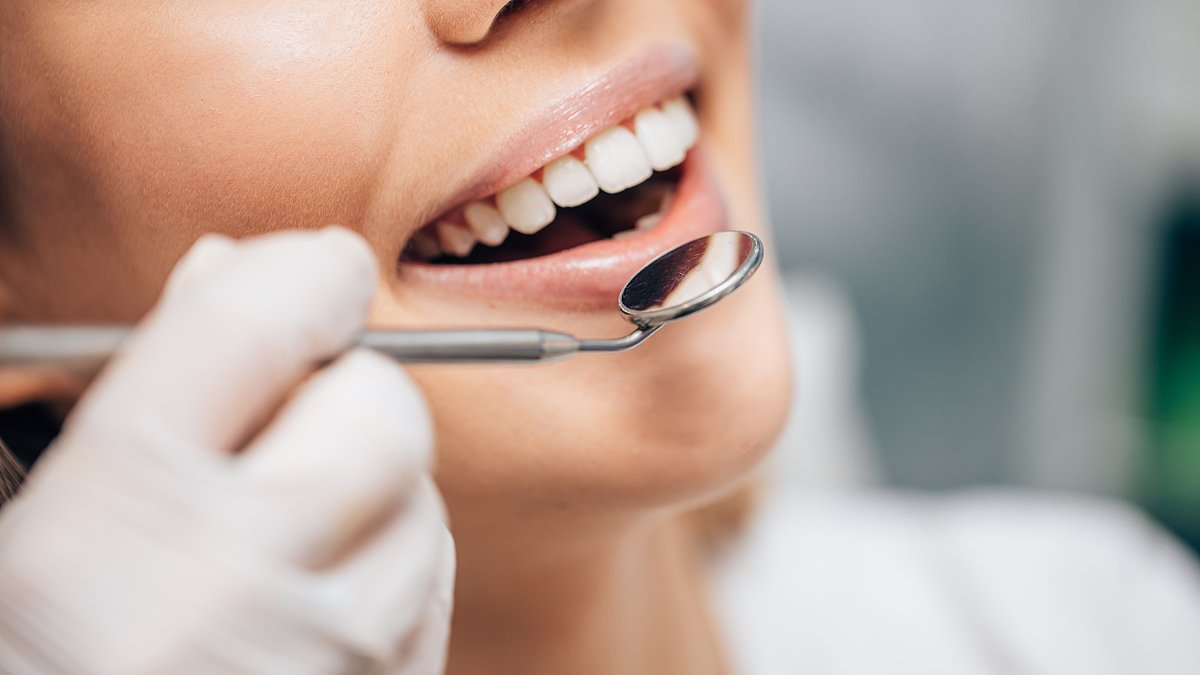

In today’s quest for the perfect Hollywood smile, many turn to whitening toothpastes, strips, and UV lights. However, while these products can enhance your smile’s brightness, they can also divert attention from underlying dental issues like tooth decay, cavities, and gum inflammation.
No matter how brilliant your teeth appear, they remain vulnerable to the dulling effects of plaque. This sticky bacterial film is a major contributor to tartar buildup, enamel erosion, and even bone loss.
Dr. Kabir Bhogal, a leading dentist and founder of Revive Clinic, emphasizes that plaque poses a significant threat to overall oral health. It’s the primary cause behind a host of problems, ranging from bad breath to the more severe issue of tooth loss.
The progression or prevention of these dental problems largely hinges on early intervention against plaque, with the body’s immune system serving as the first line of defense.
Dr. Bhogal explains, “For some individuals, the interplay between bacterial plaque and the body’s inflammatory response leads to teeth becoming loose and eventually falling out.”
“For others, it simply results in more frequent visits to the dental hygienist,” he adds.
Genetics play a part in how plaque affects your teeth and mouth, but general oral hygiene, diet, smoking and alcohol are also major influences.
Furthermore, bacteria from the mouth doesn’t just cause havoc in the oral cavity, it can travel through the bloodstream, affecting every major organ and causing wider health issues.
Therefore it is vital to do everything you can to protect your teeth and gums, Dr Bhogal says.
But what can happen if you leave plaque to build-up?

When left untreated, the early stages of gum disease may result in persistent swelling or soreness that can make brushing uncomfortable or even painful
Gum irritation
Good gum health is vital for our overall health.
Gum irritation can lead to gum disease which can cause a whole host of problems including bad breath, receding gums, infections, tooth decay and eventually tooth loss.
And one of our gums’ primary irritants is plaque.
‘Plaque is a thick, sticky film that clings to tooth surfaces,’ Dr Bhogal explains.
‘These bacteria feed on leftover food particles and sugar to produce adhesives, making plaque removal difficult without professional cleaning.
‘Once it accumulates along the gumline, the bacteria release acids and toxins that can damage gum tissue over time.’
The bacteria can trigger a chronic inflammatory response throughout the body, known as systemic inflammation, which can cause a whole host of other serious health issues.

Dr Bhogal shared six sinister symptoms of plaque build up
The first signs will usually be puffy, swollen and bleeding gums triggered by the immune system sending defence signals to the area.
‘Prolonged inflammation may also cause gum tissue to slightly detach from the tooth, forming small, covered spaces for harmful bacteria to thrive,’ the dentists warned.
This gap is known as a periodontal pocket, which left untreated can lead to tooth loss.
‘That’s why brushing and flossing every day is essential to prevent plaque build up, as well as bi-annual hygiene appointments to reduce the risk of gum disease,’ he added.
Persistent bad breath
Persistent bad breath, also known as halitosis, can also be caused by poor oral hygiene and a buildup of plaque.
But while oral conditions like gum disease are thought to be behind the majority of cases, in some cases it can be caused by simply missing hard-to-reach areas whilst brushing or even using mouthwash.
‘Bad breath often lingers because bacteria in your mouth feed on leftover proteins and release foul smelling agents known as volatile sulfur compounds,’ Dr Bhogal said.
‘But contrary to belief, mouthwash can also actually make bad breath worse because many formulas contain alcohol, which dries out your mouth.
‘A dry mouth reduces saliva production, which is what naturally washes away bacteria and food particles. Without enough saliva, odour-causing bacteria thrive, leading to even worse breath over time.’
Enamel wear

The best way to prevent plaque from building up is by maintaining good oral hygiene and scheduling regular professional cleanings
When plaque metabolises sugars in the mouth, it erodes the protective outer layer of the teeth, called enamel.
Tooth enamel is the hardest tissue in the body, but unlike others, it cannot repair itself when damaged, leaving sufferers exposed to cavities and decay and eventually needing fillings.
This thinning exposes the underlying dentin, which can make teeth more sensitive to foods and allow bacteria to penetrate the teeth, increasing the risk of cavities.
‘Over time, enamel wear can also affect the appearance of your teeth, leading to discolouration, patchiness or yellowing,’ Dr Bhogal added.
‘To resolve this, I would suggest minimally invasive ways to try and compensate for the enamel wear, such as veneers, onlays [a type of crown] or composite bonding.’
Tooth loosening
Research is increasingly showing that poor oral hygiene can lead to a range of acute and chronic illnesses.
When plaque hardens it becomes tartar, a harder, textured film on the teeth that can make it easier for bacteria to cling to.
This can eventually cause the gums to recede and connective tissue to break down, Dr Bhogal says, causing the teeth to become loose.
If left untreated, teeth may eventually fall out because they have no support.
He said: ‘The best way to prevent this is by maintaining good oral hygiene and scheduling regular professional cleanings to reduce plaque and tartar buildup.’
Early gingivitis

Unlike soft plaque, tartar cannot be removed by regular brushing or flossing and requires professional cleaning at a dental clinic
Gingivitis is the first stage of gum disease, usually pre-empted by swollen and bleeding gums, when the inflammation is restricted to the gums.
‘When left untreated, this condition may result in persistent swelling or soreness that can make brushing uncomfortable or even painful,’ the dentist warned.
‘At this stage, the damage can still be reversible with proper oral care and regular dental check ups,’ Dr Bhogal said.
However, in some cases, this can progress to periodontists, an advance form of gum disease thought to affect around 10 per cent of adults in the UK that can reduce bone density in the jaw.
Bone loss risk
‘When gingivitis escalates to severe gum disease, it can affect the jawbone and the main connective tissues securing your teeth in place,’ Dr Bhogal continued.
This happens when chronic inflammation release enzymes that break down surrounding bone and tissue over time.
Key warning signs are wide gaps between the teeth and changes in bite, which can eventually cause teeth to shift or become misaligned.
And whilst it can cost in excess of £6,000 to manage advanced gum disease, including dental implants, dental bridges and removable dentures, the irony is we can prevent it for free, if we brush properly.