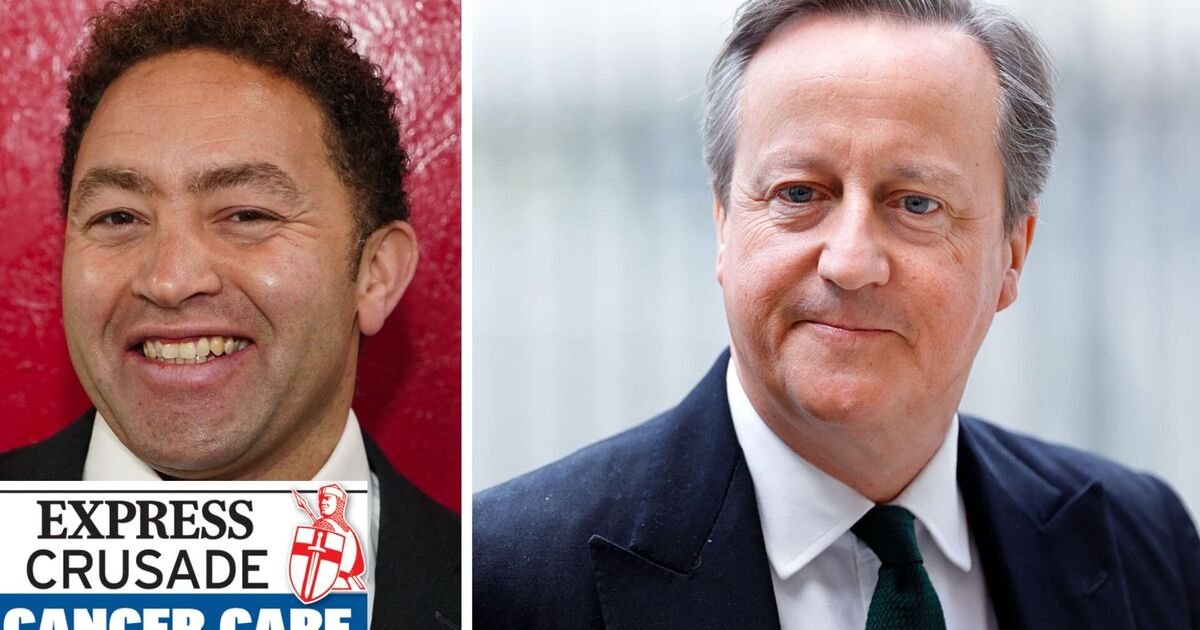

Prostate cancer stands as a significant concern for society and healthcare systems alike. Beyond statistics, it’s a deeply personal ordeal for the men diagnosed and their families who stand by them. In England, it’s the most prevalent cancer, affecting 63,000 men annually, with nearly half a million currently living with the condition. The illness doesn’t discriminate, a fact underscored by former Prime Minister David Cameron’s recent revelation of his own diagnosis.
Catching prostate cancer early significantly improves treatment outcomes, hence the emphasis on early detection and screening. However, we must also focus on the many men grappling with the reality of living with this disease.
Upon diagnosis, men are often faced with a bewildering array of treatment options. Like Lord Cameron, they may feel overwhelmed not only by the news of their illness but also by the daunting responsibility of choosing their treatment path.
This decision-making process can seem harsh because the choices are life-altering and often irreversible. Treatments come with a range of side effects that can profoundly impact a man’s identity, dignity, and relationships. These side effects may include incontinence, erectile dysfunction, and a diminished sex drive, among others.
Given these challenges, mental health struggles can seem like an inevitable companion, stemming from the initial shock of diagnosis to the ongoing stress of treatment decisions and coping with lasting physical changes.
However, mental health issues are neither unavoidable nor secondary concerns. They should be viewed as critical components of prostate cancer care. Comprehensive support for mental health should be seamlessly integrated into the treatment and management of the disease.
Solutions should not be seen as an expensive ‘nice to have’, because mental health support doesn’t just mean lying on a chaise longue talking to a psychiatrist.
Getting mental health support right at the right time can be as easy as asking how someone is feeling. At each stage of the pathway, from the doorway in at the GPs to the exit out of the urology department, there are so many opportunities for support. There are resources, groups, classes and services that far too few men even hear about, let alone utilise.
We know that when men are given the right information and feel fully involved in decision making, they’re much less likely to be impacted by regret. Evidence clearly shows that the more time patients have with a nurse, the better their quality of life.
We can be smarter about all of this. At one West London hospital, men undergoing hormone therapy for prostate cancer are automatically opted in to their support programme and only asked if they don’t wish to participate. We don’t have to increase demands on consultants’ time or NHS nurses’ workloads.
Cancer charities, including Prostate Cancer UK, are developing programmes with the NHS around ‘direct referral’, enabling clinicians to guide men towards the support they need. These services are delivered by specialist charity nurses, easing the burden on NHS staff.
While Prostate Cancer Research runs an ‘Infopool’ website, where men and their families can hear from others who’ve walked the same path – more than 1,000 real stories about diagnosis, treatment choices, side effects, and how they coped. Knowing you’re not alone and learning from others with similar experiences can make a massive difference.
The bottom line is this: every person who has a diagnosis of prostate cancer should get a Holistic Needs Assessment; a look at the impact cancer is having across each aspect of their life – as per the Daily Express Cancer Care Campaign. But too often these have become “tick-box exercises” or exclusively focused on the physical impacts.
The Holistic Needs Assessment offers the ideal opportunity to discuss the mental health impacts of cancer and refer patients to support – whether that’s community offerings, or more specialist psychological help.
The upcoming National Cancer Plan presents a real opportunity for the Government to place mental health support at the centre of patient care. We must find better ways to ensure men aren’t left isolated and suffering.
The big shift from hospital to community care that this Labour Government has committed to could create the space for this to happen. What I want to see is a cancer plan that is ambitious for the thousands of men whose lives are impacted by prostate cancer and that understands the whole of their needs.
Calvin Bailey MBE MP is Chair of the All Party Parliamentary Group on Prostate Cancer