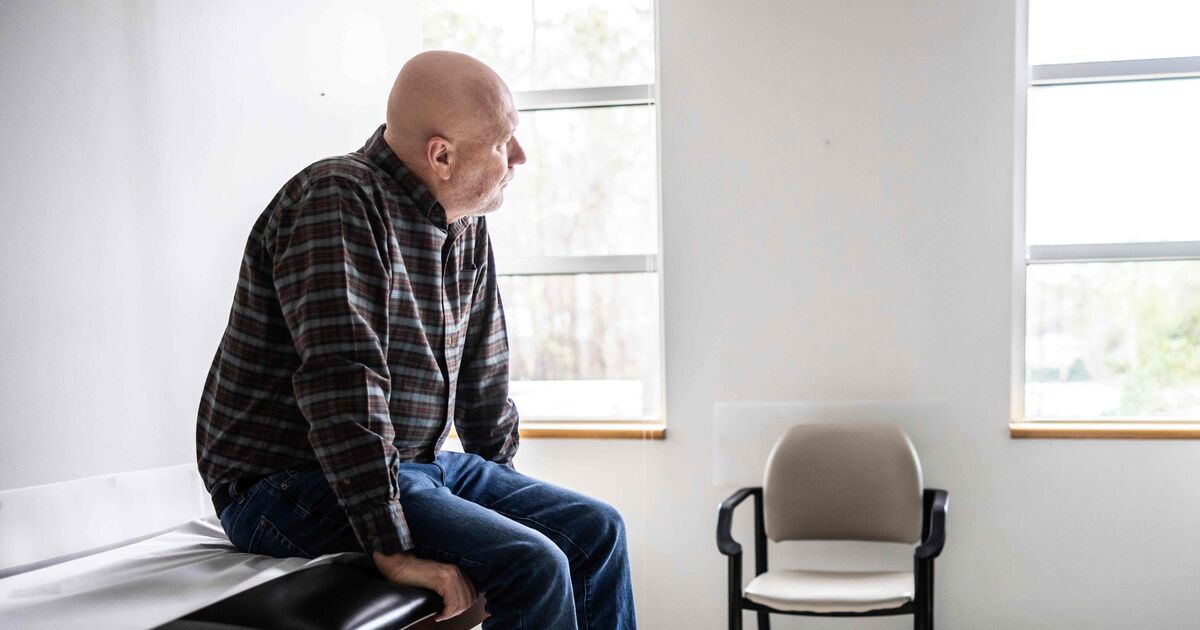

Research reveals that 25% of cancer patients felt utterly unprepared for the interim between their diagnosis and the commencement of treatment. In a survey involving 500 adults diagnosed with cancer within the last five years, nearly half reported feelings of anxiety (46%), with others expressing uncertainty (40%) and a sense of being lost (23%). On average, the wait between receiving a diagnosis and starting treatment spanned three weeks, during which 92% of patients felt a lack of control over their lives, impacting their emotional state, daily routines, and decision-making abilities.
This study was commissioned by Abbott, which has introduced “The Prehabilitation Method,” a book designed to offer guidance to cancer patients on how to utilize this waiting period effectively to better prepare for treatment. Prehabilitation focuses on readiness for cancer treatment, emphasizing nutrition, physical activity, and mental well-being. Remarkably, over half (56%) of those surveyed were unfamiliar with the concept prior to participating in the research.
Imogen Watson, a registered dietitian and head of UK medical and scientific affairs at Abbott, remarked, “It’s no surprise that upon receiving a cancer diagnosis, individuals experience anxiety, worry, and confusion. With no clear guidelines on next steps, many feel isolated.”
She further noted, “The period between diagnosis and treatment is crucial for preparation, both mentally and physically, yet it’s easy for patients to feel overwhelmed and uncertain about what to do.”
Watson expressed hope that increasing awareness of prehabilitation could alleviate the feelings of confusion and worry that patients often experience, highlighting the collaborative effort with professionals to produce a helpful guide.
The study also highlighted activities patients engaged in during this waiting period, such as watching TV, researching forthcoming treatments, and taking walks. Many also chose to connect with friends, take time off work, and focus on improving their mental health, with half of the participants actively prioritizing their emotional well-being.
When it came to food, 26% ate what they wanted when they wanted, but almost a quarter (23%) didn’t realise how much diet would impact their treatment in the lead up to treatment.
A fifth wished they’d known how to proactively use the time in between diagnosis and treatment, with 32% agreeing they’d do things differently if they were in the same situation again.
Of those polled via OnePoll only 15% were most worried about themselves when it came to coping with their diagnosis, while 39% were more concerned about their loved ones.
Despite this, 50% admitted they largely avoided talking about their cancer with those closest to them, although 27% were cared for by family and friends.
Imogen Watson added: “It’s interesting to hear some would do things differently if they had to go through the prehabilitation period again.
“Through ‘The Prehabilitation Method’, we hope to support those with cancer, as well as their loved ones, with advice and tips on how to prepare for treatment by effectively planning their nutrition, exercise, and psychological outlook.”