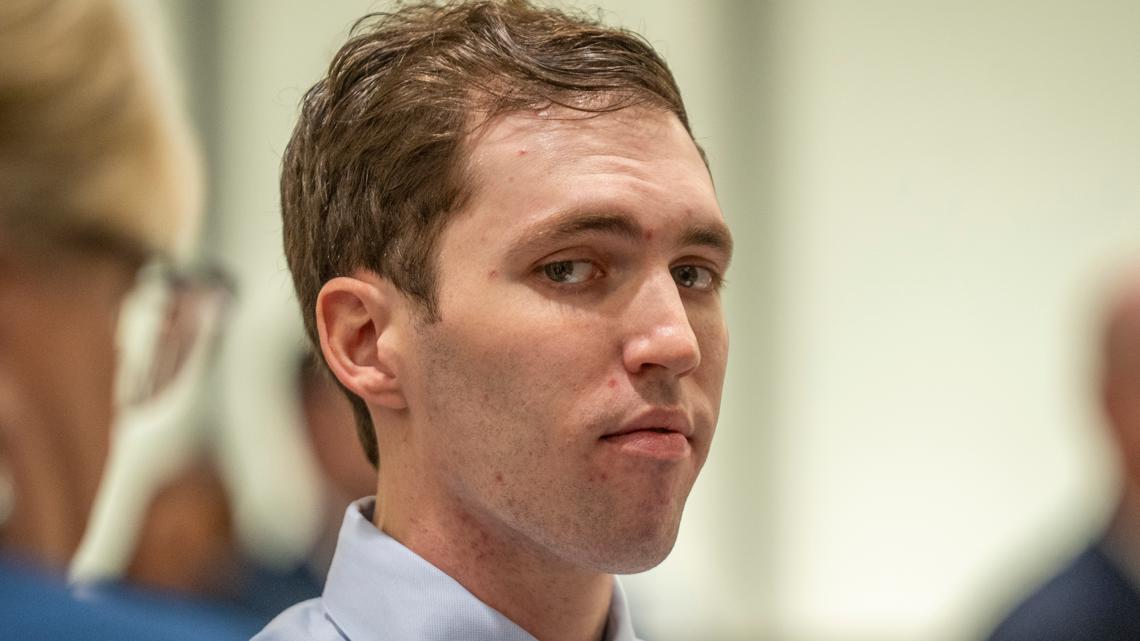
Tyler Robinson made a significant shift from previous court appearances by showing up in person on Thursday, having previously participated via video or audio from jail, according to a transport order.
SALT LAKE CITY — In a high-profile case that has garnered significant public attention, Tyler Robinson, the Utah man accused of murdering Charlie Kirk, made his first in-person court appearance on Thursday. During the session, his legal team sought to further restrict media access.
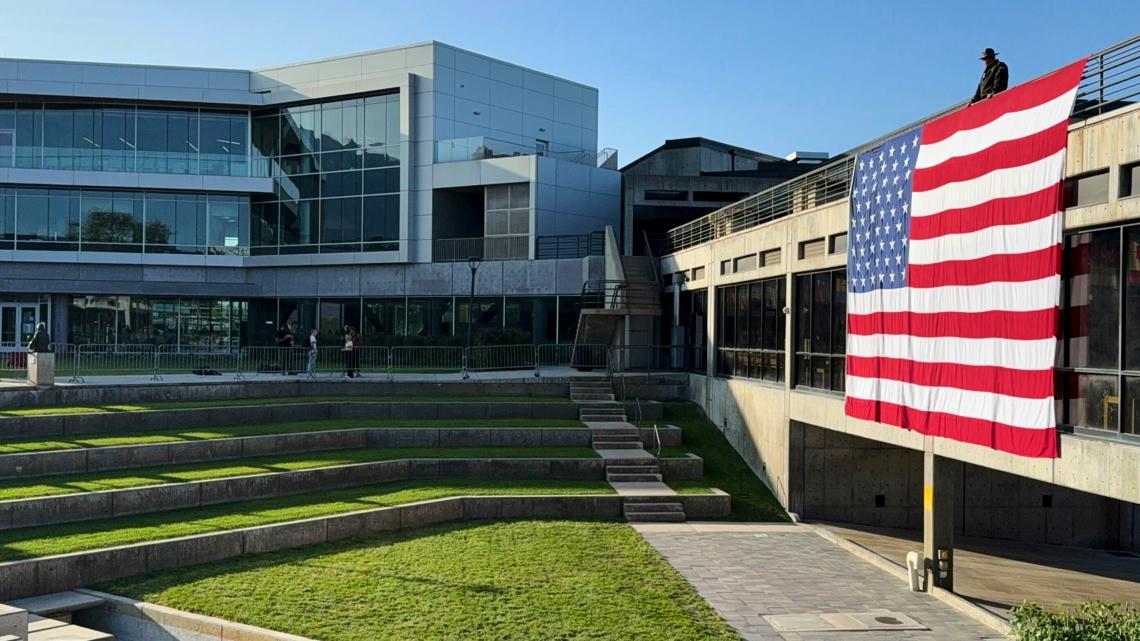
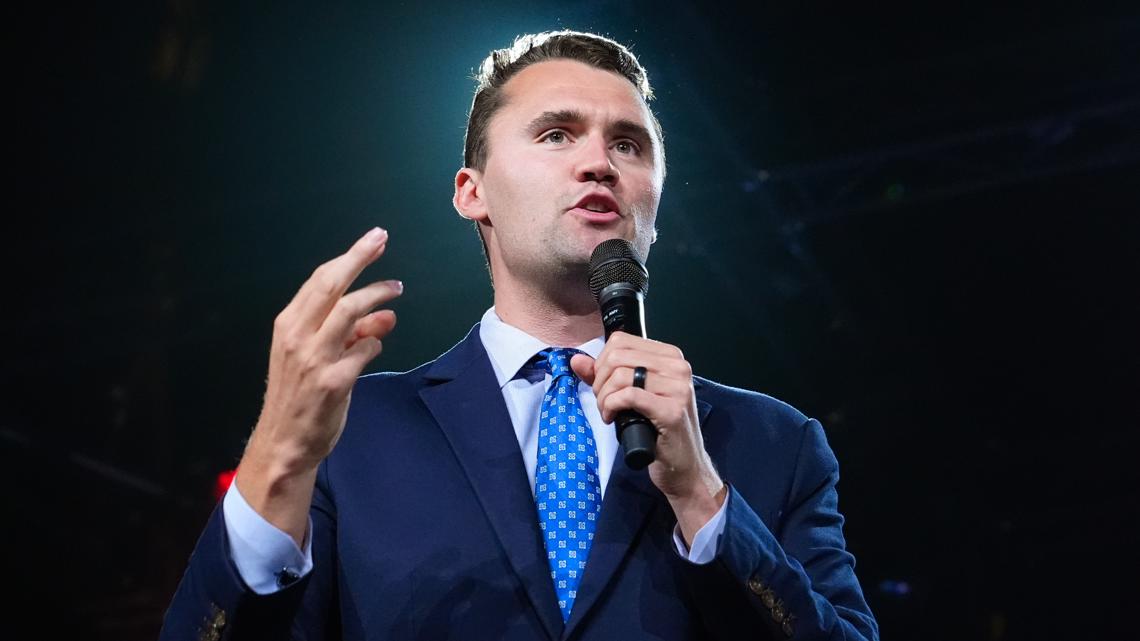
Robinson faces charges of aggravated murder for the September 10 shooting of conservative activist Charlie Kirk at Utah Valley University in Orem, just a short distance from the Provo courthouse. Prosecutors intend to pursue the death penalty in the case.
Arriving under tight security, Robinson, 22, was heavily shackled at the waist, wrists, and ankles, yet dressed formally in a shirt, tie, and slacks. He greeted his family members seated in the courtroom’s front row with a smile, bringing his mother to tears upon his entrance. His brother and father also attended, diligently taking notes throughout the hearing.
During the early part of the proceedings, Judge Tony Graf of the state District Court temporarily halted the livestream provided by a media pool. This decision came after Robinson’s attorneys argued that the stream was improperly showing the defendant’s shackles, which violated an existing courtroom order.
Early in the proceedings, state District Court Judge Tony Graf briefly stopped livestreaming of the hearing via a media pool and required the camera be moved, after Robinson’s attorneys said the stream showed the defendant’s shackles in violation of a courtroom order.
Graf said he would terminate future broadcasts if there were further violations of the order issued in October, which bars media from showing images of Robinson in restraints or anywhere in the courtroom except sitting at the defense table.
“This court takes this very seriously. While the court believes in openness and transparency, it needs to be balanced with the constitutional rights of all parties in this case,” Graf said.
Graf is weighing the public’s right to know details about Robinson’s case against his attorneys’ concerns that the swarm of media attention could interfere with a fair trial.
Robinson’s legal team and the Utah County Sheriff’s Office have asked Judge Tony Graf to ban cameras in the courtroom, but he has not yet ruled on the request.
The defendant had previously appeared before the court via video or audio feed from jail.
A coalition of national and local news organizations, including The Associated Press, is fighting to preserve media access in the case.

Graf held a closed hearing on Oct. 24 in which attorneys discussed Robinson’s courtroom attire and security protocols. Under a subsequent ruling by the judge, Robinson is allowed to wear street clothes during pretrial hearings but must be physically restrained due to security concerns.
Graf also prohibited media from filming or photographing Robinson’s restraints after his attorneys argued widespread images of him shackled and in jail clothing could prejudice future jurors.
Several university students who witnessed Kirk’s assassination attended Thursday’s hearing.
Zack Reese, a Utah Valley University student and “big Charlie Kirk fan,” said he had skepticism about Robinson’s arrest and came to the hearing seeking answers. Reese has family in southwestern Utah, where the Robinsons are from, and said he believes they’re a good family.
Brigham Young University student William Brown, who said he was about 10 feet from Kirk when he was shot, said he felt overwhelmed seeing Robinson walk into the courtroom Thursday.
“I witnessed a huge event, and my brain is still trying to make sense of it,” Brown said. “I feel like being here helps it feel more real than surreal.”
Michael Judd, an attorney for the media coalition, has urged Graf to let the news organizations weigh in on any future requests for closed hearings or other limitations.

The media presence at Utah hearings is already limited, with judges often designating one photographer and one videographer to document a hearing and share their images with other news organizations. Additional journalists can typically attend to listen and take notes, as can members of the public.
Judd wrote in recent filings that an open court “safeguards the integrity of the fact-finding process” while fostering public confidence in judicial proceedings. Criminal cases in the U.S. have long been open to the public, which he argued is proof that trials can be conducted fairly without restricting reporters as they work to keep the public informed.
Kirk’s widow, Erika Kirk, has called for full transparency, saying, “We deserve to have cameras in there.” Her husband was an ally of President Donald Trump who worked to steer young voters toward conservatism.
Robinson’s legal team says his pretrial publicity reaches as far as the White House, with Trump announcing soon after Robinson’s arrest, “With a high degree of certainty, we have him,” and “I hope he gets the death penalty.”
Defense attorney Kathy Nester has raised concern that digitally altered versions of Robinson’s initial court photo have spread widely, creating misinformation about the case. Some altered images show Robinson crying or having an outburst in court, which did not happen.

Copyright 2025 Associated Press. All rights reserved. This material may not be published, broadcast, rewritten, or redistributed.