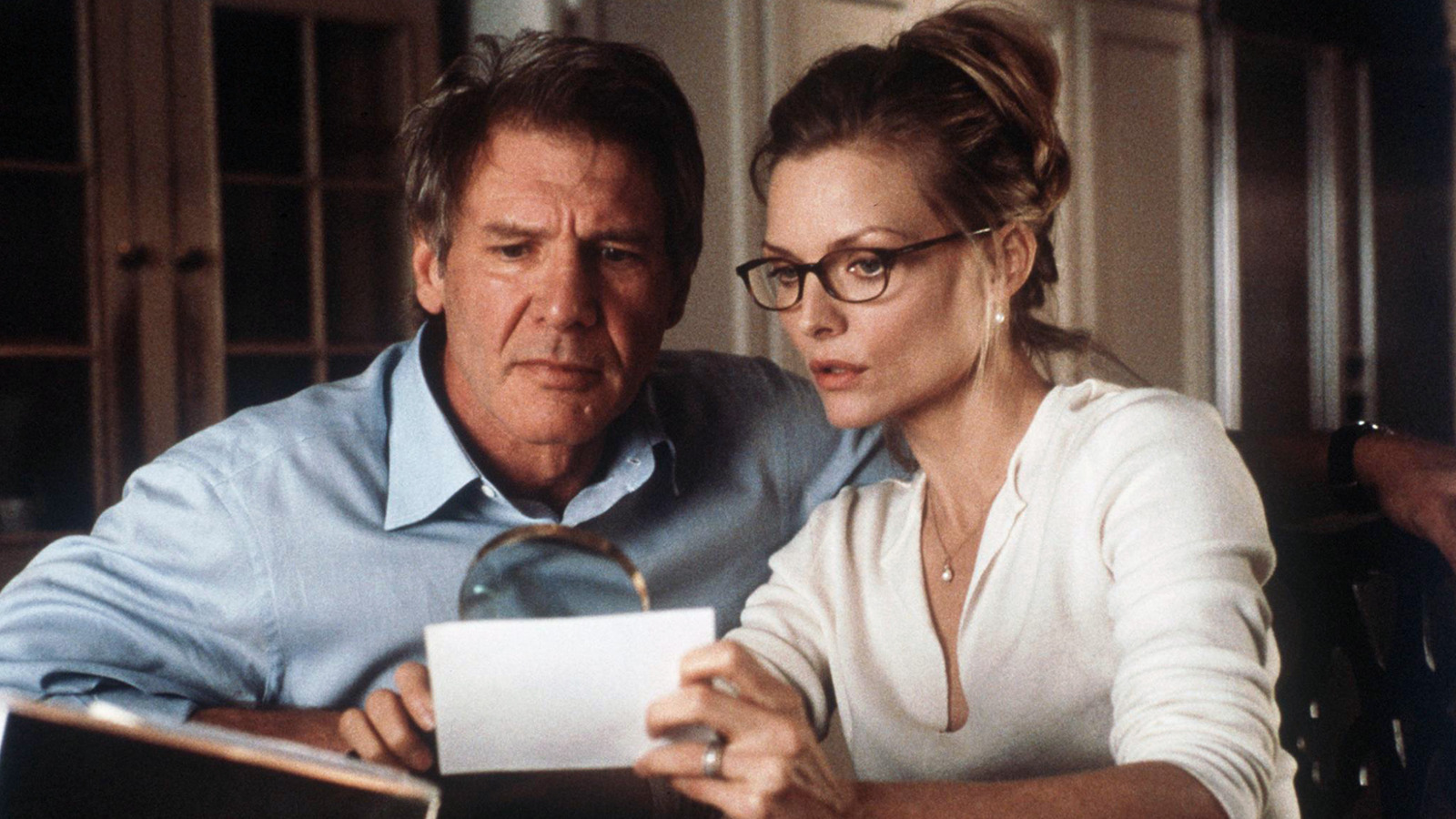

“What Lies Beneath” (2000), now available on Netflix, marks a departure from the usual Robert Zemeckis style. Known for his work on the beloved “Back to the Future” series and the iconic “Forrest Gump,” as well as gripping dramas like “Flight” and “The Walk,” Zemeckis ventures into unfamiliar territory with this film. Initially, “What Lies Beneath” might seem like a thriller that would be more at home in Sam Raimi’s early horror catalog rather than a Zemeckis creation. While he has dabbled in the genre with episodes of “Tales From the Crypt” and the horror comedy “Death Becomes Her,” this film represents his first earnest foray into the horror-thriller realm.

DreamWorks Pictures
With a hefty $100 million budget, Zemeckis aimed to craft a middlebrow blockbuster, and he succeeded when the film hit theaters. Despite mixed reviews—Roger Ebert famously awarded it two out of four stars, describing it as “a morass of absurdity”—audiences were captivated. The intriguing premise of a housewife uncovering a deadly secret, coupled with the star power of Michelle Pfeiffer and Harrison Ford, drew viewers in. While the storyline might not break new ground in the genre, it delivers a gripping mix of suspense and supernatural elements. These factors resonated with audiences, helping the film nearly triple its budget.
“What Lies Beneath” may be packed with pulp and moments that challenge credulity, but its nostalgic allure and standout performances make it a hidden gem worth revisiting in cinematic history.
The story follows Claire (Michelle Pfeiffer) and Norman Spencer (Harrison Ford), a couple living in a picturesque lakeside home in Vermont, whose marriage is starting to fray. With their daughter off to college, Claire faces the prospect of being alone, especially after a car accident a year prior. Norman’s demanding career as a scientist keeps him away, leaving Claire feeling isolated. However, the arrival of a new, contentious couple next door offers a welcome distraction. When Claire hears the woman’s cries one afternoon, she becomes intrigued and soon realizes the woman has seemingly vanished.
Strange occurrences—doors and faucets operating on their own—lead Claire to suspect her neighbor’s husband of murder, believing the woman’s spirit is reaching out to her. Despite Norman’s fears about her mental state, Claire’s instincts about the haunting and potential crime prove accurate, though the reality is more complex and personal than she imagined.
Uncovering juicy secrets from a dreamy lakeside home in Vermont
DreamWorks Pictures
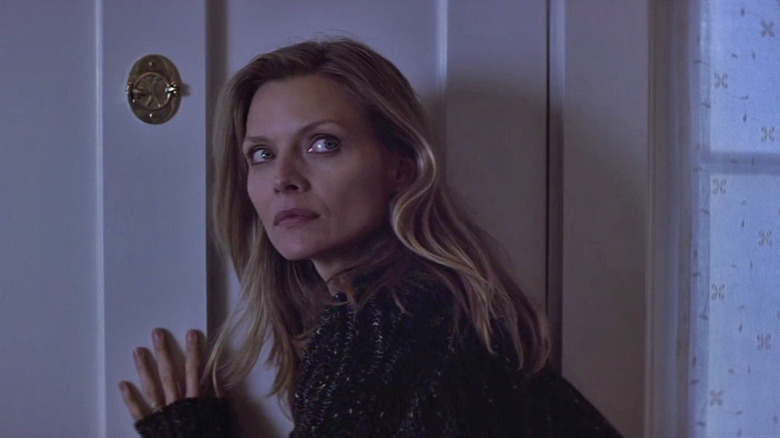
While Zemeckis may not be a horror-thriller expert, he excels at crafting suspense. He meticulously builds tension over an hour, and with Pfeiffer’s compelling performance, audiences are hooked. Despite the script’s predictability and some sensational plot twists, the film entices viewers into the mystery, overcoming its contrived elements.
After some weird happenings around the house (doors and faucets opening mysteriously) and talking to the morose husband, Claire slowly grows certain that he killed the woman and dumped the body in the lake. In fact, she’s convinced her ghost is haunting her to reveal the truth. When she tells Norman about this, he’s afraid his wife is going insane and gets her help. We soon find out that Claire isn’t imagining things about the supernatural force or a mysterious slaying, just that things may be a lot more complicated and personal than she suspected.
Robert Zemeckis might not be a master of horror/thriller, but he understands suspense. He spends an hour building it, and thanks to his tricks creating tension and Pfeiffer’s committed performance, we bite. Regardless of the predictability (and some lurid plot twists) of Clark Gregg’s script, there’s an enticement here to get sucked into the murder mystery with these characters despite some inherent contrivance.
A slow-burning, if flawed, supernatural thriller that culminates in a suspense-ridden finale

DreamWorks Pictures
In retrospect, Robert Zemeckis’ Hitchcock-inspired slow-burning suspense is much overlooked here in favor of the many twists that hugely contributed to “What Lies Beneath” becoming a hit. The turns that arrive in the movie’s last third are so bonkers (and silly at times) that they become amusing. Arguably, with them, a big chunk of the story’s wonky realism and established character development land in the garbage, but it’d be a lie to say that doesn’t add flavor to the film’s nostalgic early aughts vibe. After all the red herrings, the haunting ghost in mirrors, and the unhurriedly uncovered pulpy secrets about infidelity are said and done, you’ll find yourself in a finale that’s as gripping as it is melodramatic.
That memorable bathtub scene with a feisty Michelle Pfeiffer desperately trying to survive will undeniably send a wave through your nerves and emotions, making you forget every plot hole, inconsistency, and general flaw that you came across in the past 100 minutes. By then, all that matters is that you’re invested in a way that has you rooting for this heroine like she was your favorite marathon runner closing in on the last few yards of the finish line with a broken ankle. Undoubtedly, “What Lies Beneath” tries a little too hard to be a serious life-and-death thriller (with mixed efficiency), but if you can view it as pure pulpy entertainment without any message on its mind to leave you with, it’ll more than likely give you a fun time — even if it proves to be incredibly fleeting.


