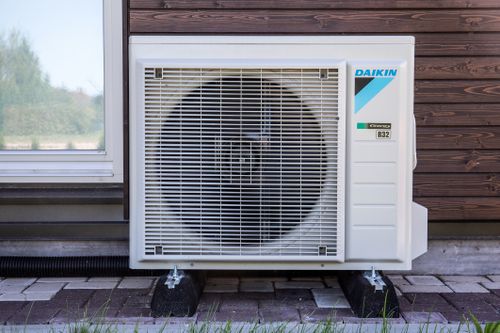

Air conditioning stock photo
Share this @internewscast.com

On those scorching days when temperatures soar into the high 30s, many of us with air conditioning wonder how we ever managed without it.

However, it’s precisely during these extreme heatwaves that Australians face the highest risk of experiencing a dreaded power outage.
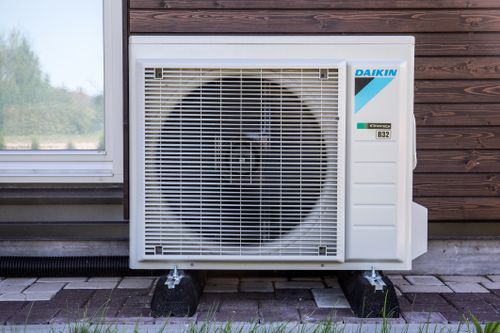
Air conditioning stock photo
Air conditioning is a major cause of a rise in household electricity use. (Getty)

“In the past, the winter evening peak was simply a result of everyone coming home and turning on their heating simultaneously,” she explained.

“Now, the trend has shifted to everyone cranking up their air conditioning at once.”

This increased demand on the electrical grid is further exacerbated by an ironic challenge with coal-fired power generation.

When temperatures climb too high, coal plants begin to falter under the strain.

Aluminium smelters are asked to shut down temporarily rather than cause blackouts elsewhere.
Aluminium smelters are asked to shut down temporarily rather than cause blackouts elsewhere. (Nine Archives)

“Coal generators are more likely to break down because they don’t cope very well with high heat,” Reeve said.

“So when that happens, that can also cause a blackout or a brownout, because you’ve got such high demand at the same time.”

When the grid is under too much strain, the major users are asked to switch off.

The biggest offenders are aluminium smelters.

Australia has four aluminium smelters that account for 10 per cent of the electricity used in the country.

Aluminium smelters are the biggest user of electricity in Australia.
Aluminium smelters are the biggest user of electricity in Australia. (Nine Archives)

And high power bills has meant the smelter is now turning to the federal government to keep them open.

But switching them off is an expensive endeavour.

The smelters run 24 hours a day, and any shutdown is problematic.

“It doesn’t happen that often,” Reeve said.

“It’s there if we need it.”

Aluminium smelters like this one in Portland use a massive amount of electricity.
Aluminium smelters like this one in Portland use a massive amount of electricity. (Nine Archives)
And while rooftop solar panels are helpful for the grid on hot days, it is taking the edge off rather than carrying the load.

Solar panels generate the most electricity around 1pm, but the usual peak time for power usage is about 5pm. By then, the sun has started to set and less electricity is being generated.

So how can the average punter reduce the risk of blackouts on a hot summer’s day?

The best options are to add a few degrees to the air conditioner, and, obliquely enough, make sure your aluminium cans are getting recycled.

Share this @internewscast.com
You May Also Like
Major Aussie tourist destination battered by torrential rain, flash flooding

Significant Australian Tourist Hub Faces Severe Weather with Torrential Rain and Flash Flooding

Residents have been evacuated and holidaymakers are on edge after a torrential…
A severe weather warning is in place for heavy rainfall across central Victoria tomorrow.

Thunderstorms and Flash Flooding Predicted to Drench Victoria

Victorians have been warned to brace for severe weather today with thunderstorms,…

BAFTAs Controversy: Understanding Tourette Syndrome and the Public’s Reaction

In Brief John Davidson says he’s “deeply mortified” after shouting an “involuntary…

Iran Vows Intense Retaliation Amid Escalating US Tensions and Nationwide Student Protests

In brief Videos of protests in Iran show students chanting and burning…
Andrew photographed leaving Aylsham Police Station in Norfolk following his arrest on Thursday

New Zealand PM Backs Australia’s Call to Reconsider Andrew Mountbatten-Windsor’s Royal Position

New Zealand’s leader has expressed his willingness to endorse any initiatives aimed…
Sydney to Newcastle high-speed rail to be 'shovel-ready' in two years

High-Speed Rail Link Between Sydney and Newcastle Set to Reach ‘Shovel-Ready’ Status in Two Years

The federal government has poured another $230 billion into planning for a…
'BUYER BEWARE': Trump's new tariff threat after court smackdown

Trump Responds to Court Setback with New Tariff Warning

US President Donald Trump has threatened to impose bigger tariffs on countries…
blood moon

Catch the Rare Blood Moon: Essential Viewing Tips for This Celestial Event

There’s a rare blood moon on the horizon the likes of which…
New Zealand's Prime Minister has said he will back any plans to remove Andrew Mountbatten-Windsor from the line of royal succession. It comes as British ministers are understood to be considering legislation to remove Andrew from the line of succession once a police investigation has concluded. Christopher Luxon's announcement that he would support removing the shamed former prince came after Australia's Prime Minister Anthony Albanese vowed to do the same. A spokesperson for Mr Luxon, New Zealand's premier, said: 'If the UK Government proposes to remove Andrew Mountbatten-Windsor from the order of succession, New Zealand would support it. The UK Government has said any proposals would come after the police investigation concludes.'

New Zealand Approves Historic Move: Prince Andrew Removed from Royal Line of Succession

New Zealand’s Prime Minister has expressed his willingness to endorse any initiative…
OpenAI CEO Sam Altman has downplayed concerns about AI's energy cost, arguing it takes a lot of energy to train a human too.

OpenAI CEO Defends AI Training’s Energy Consumption: Equates to Human Development Costs

OpenAI’s CEO, Sam Altman, has addressed concerns about the energy consumption of…
Andrew Mountbatten-Windsor arrested on suspicion of misconduct in public office

Albanese Supports Move to Remove Former Prince Andrew from Royal Lineup

Despite being eighth in line for the British throne, Andrew Mountbatten-Windsor’s potential…
Dr Simon Gordon

Renowned Surgeon Faces Allegations of Unwarranted Endometriosis Procedures

A prominent Melbourne surgeon is under investigation over allegations he performed unnecessary…