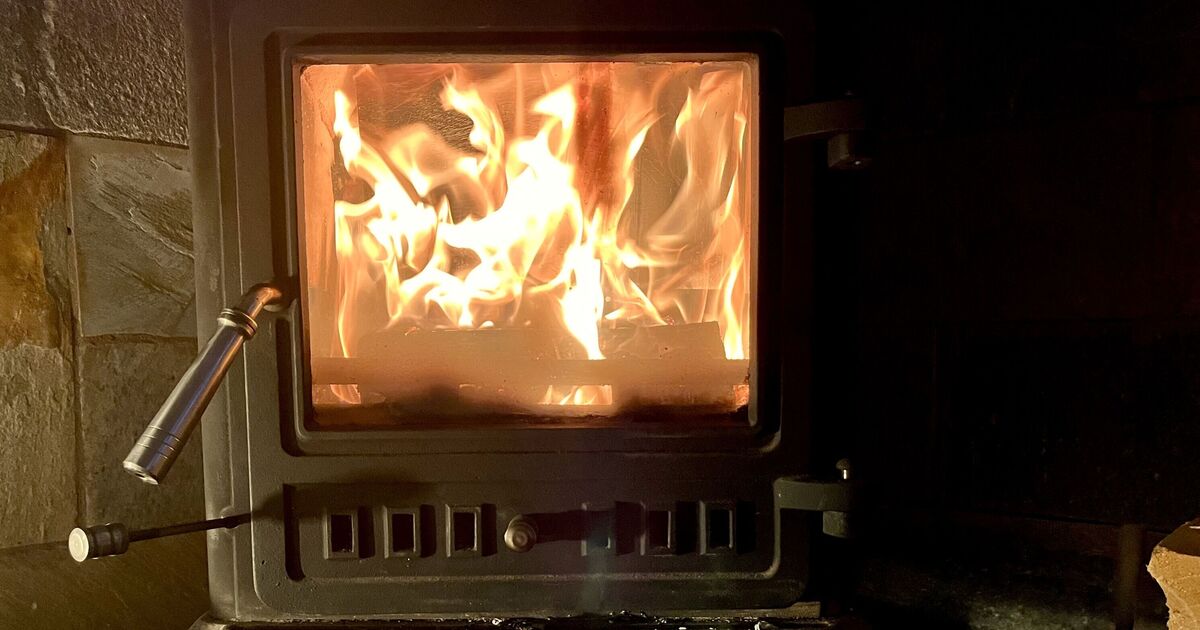

Specialists have cautioned that a specific action when operating a wood-burner could jeopardize your health. Adam Oldfield and his team at StovesAreUs highlight a prevalent concern: inhaling the smoke from a stove can be detrimental to homeowners’ well-being.
The primary hazard arises from burning wood that is wet or not properly seasoned, which results in more smoke and the emission of harmful particles, they note.
The experts advise that wood-stove users should exclusively burn fuel suited for the stove, such as wooden briquettes, pellets, or pre-dried logs, to ensure safety.
They also caution against burning wood that has been treated or painted, as this can release toxic fumes.
Residents in the UK are advised to consult DEFRA’s Burn Better guidelines. Additionally, Woodsure, a wood-fuel quality assurance initiative, offers reliable advice to help consumers choose safe, eco-friendly, and efficient fuel options, as emphasized by StovesAreUs.
The company further suggests looking for logs with the Woodsure ‘Ready to Burn’ badge when purchasing, indicating the wood has a moisture content below 20% and adheres to strict environmental standards.
“Using fuel certified by Woodsure not only reduces smoke and harmful emissions but also improves stove efficiency and overall home safety.”
It comes as proposals were outlined by the Government with a consultation to take place on reducing the environmental impact of domestic wood burning – such as through bonfires or wood burners.
Officials say this will be done while minimising how this might affect those who need to do so and respecting traditional celebratory festivals such as Bonfire Night and Diwali.
With a new target to cut exposure to PM2.5 – a fine particulate pollutant linked to asthma, lung disease and heart conditions – by 30% by 2030 compared to 2018 levels, the Government outlined a series of actions, which include the consultation on domestic combustion of wood.
Environment Secretary Emma Reynolds said earlier this month: ”Our environment faces real challenges, with pollution in our waterways, air quality that’s too low in many areas, and treasured species in decline.
“This plan marks a step change in restoring nature.
“Our ambitious targets are backed by real action to cut harmful air pollutants, revive habitats and protect the environment for generations to come.”