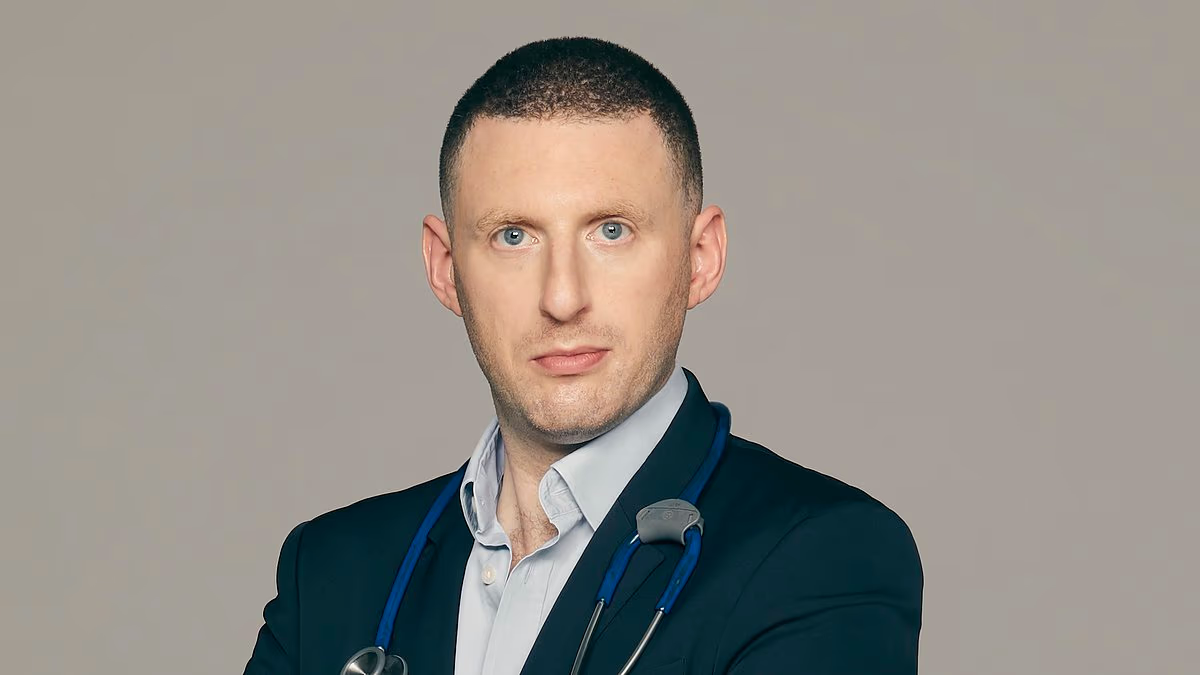

For many, indulging in a classic British breakfast is a cherished treat, but it’s worth noting that this meal can be quite rich in salt and saturated fat. For those mindful of maintaining heart health, Dr. Robin Clark, the medical director at Bupa Health UK, suggests two straightforward adjustments to make this hearty breakfast more heart-friendly. His first tip involves cutting out processed meats.
In an interview with the Express, Dr. Clark advised, “A simple alteration to the traditional fry-up is replacing processed meats like sausages or bacon with grilled veggies such as tomatoes or mushrooms. Processed meats are often laden with salt and saturated fats. High salt intake is linked to increased blood pressure, while diets high in saturated fats can elevate unhealthy cholesterol levels. Both factors can increase the risk of heart strain over time. By reducing consumption of these foods, we can better support heart health in the long run.”
Another tip from Dr. Clark to lower the meal’s fat content involves changing how eggs are prepared, suggesting alternatives to the usual frying method.
He explained: “Instead of frying eggs, opt for poaching or boiling them to keep the protein lighter. This way, you still enjoy a satisfying breakfast with a healthier composition.”
Despite these recommendations, Dr. Clark, a trained general practitioner, emphasized that it is not necessary to completely eliminate favorite dishes.
He noted: “Achieving a healthy balance is key, rather than completely cutting out beloved foods. You can still enjoy a cooked breakfast—modifying the way and frequency of its preparation can significantly impact its healthiness.”
“By making simple changes, such as how often you have these meals, or the way you prepare them, you can look after your heart and make a positive impact on your health overall.”
High blood pressure can increase risk of serious cardiovascular problems including heart attacks and strokes.
It is often called a “silent killer” because many sufferers are unaware they have it. When it does cause symptoms, they can include headaches, blurred vision and chest pain.
Dr Clark said: “If you have any concerns about your health, especially regarding blood pressure, cholesterol or heart health, it’s a good idea to speak with a health professional.
“They can offer tailored advice, help uncover any underlying concerns, and support you in making lifestyle choices that may help ease symptoms.”