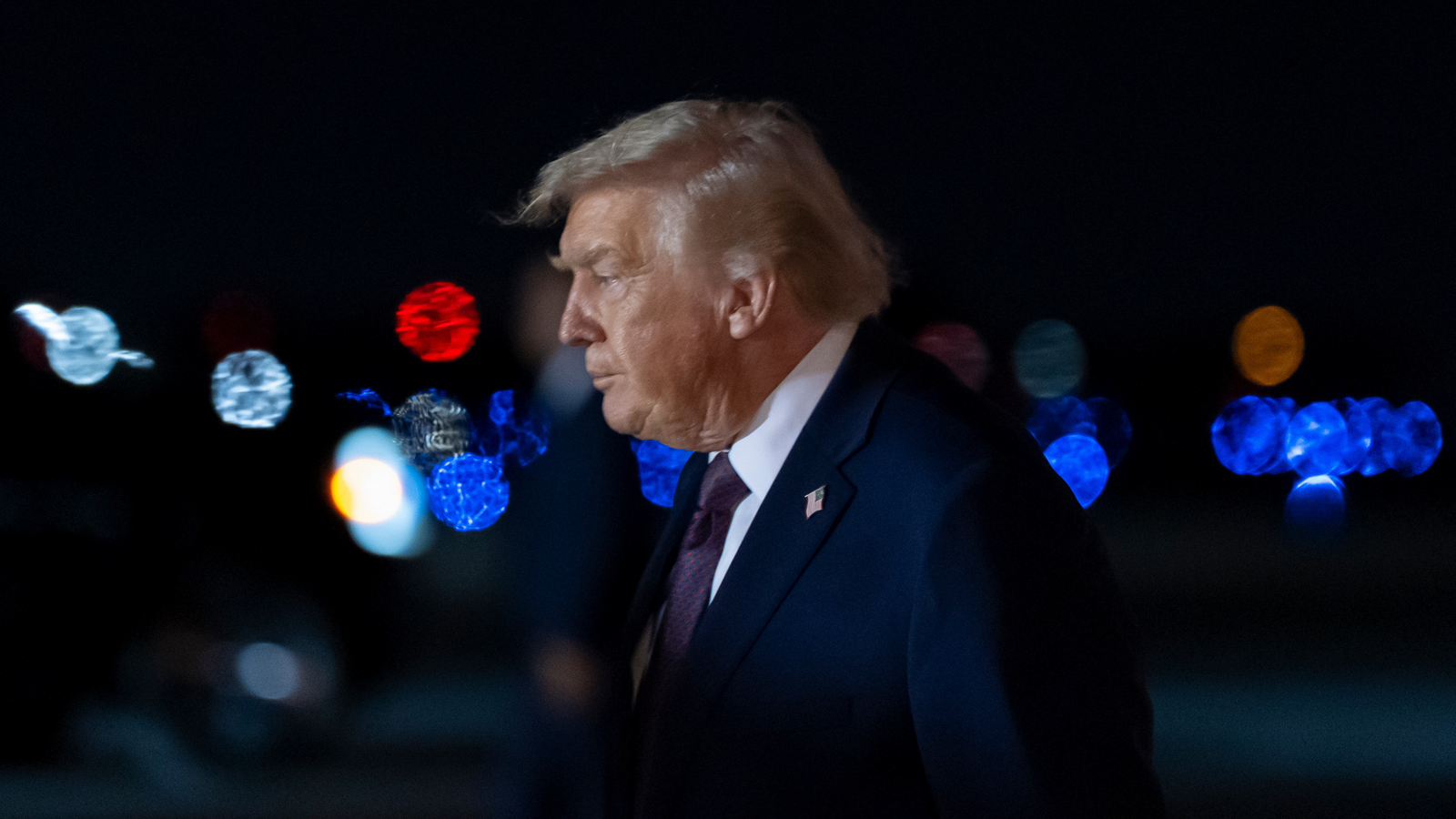
WEST PALM BEACH, Fla. — President Donald Trump is convening a meeting with top national security officials on Monday as the U.S. Coast Guard intensifies its efforts to intercept oil tankers in the Caribbean. This action is part of the Trump administration’s increasing pressure on Venezuelan President Nicolás Maduro’s government.
Joining Trump at his Mar-a-Lago resort for what the White House has described as a “major announcement” are Secretary of State Marco Rubio, Defense Secretary Pete Hegseth, and Navy Secretary John Phelan. Trump is set to unveil plans for a new, large warship, which he refers to as a “battleship,” aligning with his vision to establish a “Golden Fleet” comprising up to 50 support vessels, according to sources familiar with the details who are not authorized to speak publicly.
This assembly of Trump’s key national security team coincides with a significant phase in his four-month campaign against the Maduro regime. Initially aimed at curbing the flow of illegal drugs from Venezuela, the campaign has since evolved into a broader initiative.
According to a European intelligence official, who spoke on condition of anonymity due to the sensitivity of the information, Russia’s Foreign Ministry has begun evacuating the families of its diplomats from Venezuela. The evacuation, which started on Friday, involves women and children, with Russian officials reportedly assessing the situation in Venezuela in “very grim tones.” Both the White House and the Kremlin have not commented on the matter.
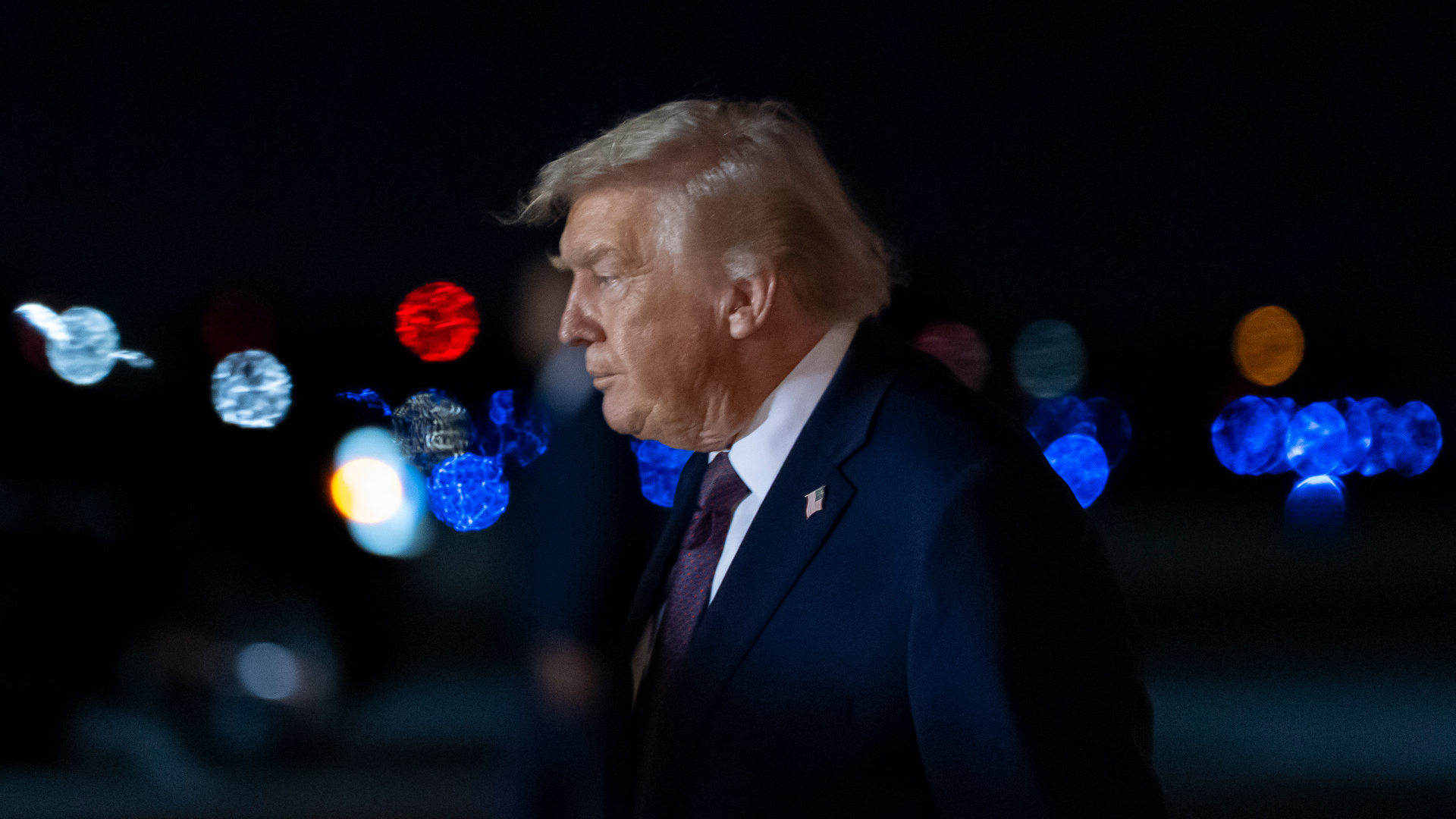
In response, Venezuela’s Foreign Minister Yván Gil announced on Monday that he had a phone conversation with his Russian counterpart, Sergey Lavrov. Gil stated that Lavrov reaffirmed Russia’s support for Venezuela in the face of Trump’s declared blockade on sanctioned oil tankers.
Venezuela’s Foreign Minister Yván Gil on Monday said he spoke by phone with his Russian counterpart, Sergey Lavrov, who he said expressed Russia’s support for Venezuela against Trump’s declared blockade of sanctioned oil tankers.
“We reviewed the aggressions and flagrant violations of international law that have been committed in the Caribbean: attacks against vessels and extrajudicial executions, and the unlawful acts of piracy carried out by the United States government,” Gil said in a statement.
More than 10 vehicles with diplomatic license plates were parked Monday morning outside Russia’s embassy in Caracas. No people could be seen going in or out of the embassy. All vehicles had moved by early afternoon.
US pursues a shadow fleet of oil tankers
In the Caribbean, the U.S. Coast Guard on Monday continued for the second day to chase a sanctioned oil tanker that the Trump administration describes as part of a “dark fleet” Venezuela is using to evade U.S. sanctions. The tanker, the official added, is flying under a false flag and is under a U.S. judicial seizure order.
It is the third tanker pursued by the Coast Guard, which on Saturday seized a Panama-flagged vessel called Centuries that U.S. officials said was part of the Venezuelan shadow fleet.
The Coast Guard, with assistance from the Navy, seized a sanctioned tanker called Skipper on Dec. 10, also part of the shadow fleet of tankers that the U.S. says operates on the fringes of the law to move sanctioned cargo. That ship was registered in Panama.
Trump, after that first seizure, said the U.S. would carry out a “blockade” of Venezuela. Trump has repeatedly said that Maduro’s days in power are numbered.
Last week, Trump demanded that Venezuela return assets that it seized from U.S. oil companies years ago, justifying anew his announcement of a blockade against sanctioned oil tankers traveling to or from the South American country.
Homeland Security Secretary Kristi Noem, whose agency oversees the Coast Guard, said in a Monday appearance on “Fox & Friends” that the targeting of tankers is intended to send “a message around the world that the illegal activity that Maduro is participating in cannot stand, he needs to be gone, and that we will stand up for our people.”
The scene on a Venezuelan beach near a refinery
While U.S. forces targeted the vessels in international waters , a tanker that’s considered part of the shadow fleet was spotted moving between Venezuelan refineries, including one about three hours west of the capital, Caracas.
The tanker remained at the refinery in El Palito through Sunday, when families went to the town’s beach to relax with children now on break from school.
Music played on loudspeakers as people swam and surfed with the tanker in the background. Families and groups of teenagers enjoyed themselves, but Manuel Salazar, who has parked cars at the beach for more than three decades, noticed differences from years past, when the country’s oil-dependent economy was in better shape and the energy industry produced at least double the current 1 million barrels per day.
“Up to nine or 10 tankers would wait out there in the bay. One would leave, another would come in,” Salazar, 68, said. “Now, look, one.”
The tanker in El Palito has been identified by Transparencia Venezuela, an independent watchdog promoting government accountability, to be part of the shadow fleet.
Area residents on Sunday recalled when tankers would sound their horns at midnight New Year’s Eve, while some would even send up fireworks to celebrate the holiday.
“Before, during vacations, they’d have barbecues; now all you see is bread with bologna,” Salazar said of Venezuelan families spending the holiday at the beach next to the refinery. “Things are expensive. Food prices keep going up and up every day.”
Meanwhile, the Defense Department, under Trump’s orders, continues its campaign of attacks on smaller vessels in the Caribbean and eastern Pacific Ocean that it alleges are carrying drugs to the United States and beyond.
At least 104 people have been killed in 28 known strikes since early September. The strikes have faced scrutiny from U.S. lawmakers and human rights activists, who say the administration has offered scant evidence that its targets are indeed drug smugglers and that the fatal strikes amount to extrajudicial killings.
___
Garcia Cano reported from El Palito, Venezuela, and Burrows reported from London.
.