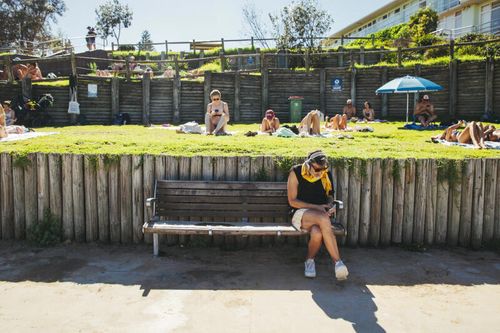

You may have visited a “third place” at some point in your life without even realizing it.
Although many believe these spaces are vital, experts suggest they are becoming increasingly rare. But what exactly are third places, and are they truly disappearing?
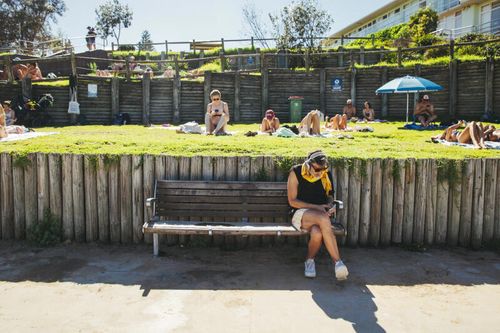
In his writings, sociologist Ray Oldenburg emphasized the importance of spaces outside work and home for community well-being.
He famously stated, “What suburbia cries for are the means for people to gather easily, inexpensively, regularly, and pleasurably – a ‘place on the corner’.”
For many years, brick-and-mortar shopping centers served this purpose, but with the advent of online shopping, people now spend less time in physical stores.
The internet, and social media in particular, presents a paradox. While it has fostered digital third places, it has also restricted face-to-face social interactions in public spaces.
“I hate having to get out of the way of people who are reading their phone as they walk down the street, they’re not actually present in the street,” Professor Kim Dovey said.
“Cities work by putting lots of people you don’t know into the same space that you share, and you weave in and out of each other and on busy pedestrian sidewalks.”
“And that’s how cities work, so I think social media is a threat to that.”