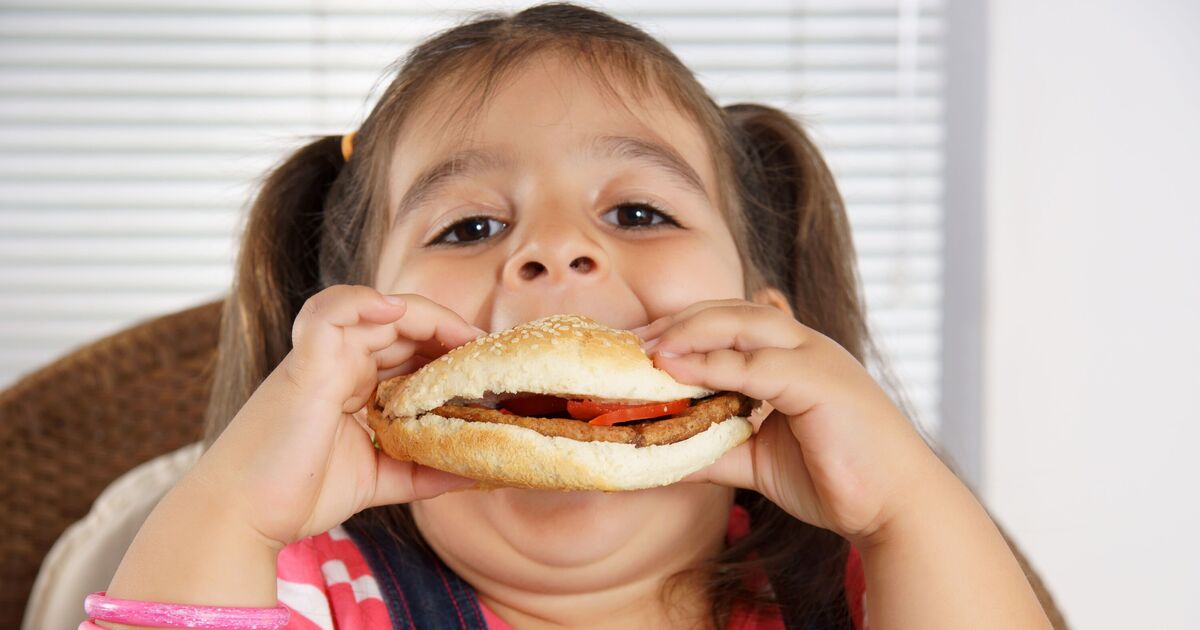

In a significant step forward for public health, new legislation prohibiting junk food advertisements aimed at children has come into force across the UK. As of today, January 5, these regulations ban advertisements for products deemed “less healthy” by the UK Government from airing on television from 5:30 a.m. to 9:00 p.m., while completely banning them from online platforms. This initiative is part of a broader government strategy to tackle the growing problem of childhood obesity, with official statistics showing that one in ten children starting school is classified as obese, and one in five five-year-olds suffers from tooth decay.
The ban covers a wide range of products high in fat, sugar, or salt, including fizzy drinks, sweets, chocolates, crisps, cakes, and biscuits. Other items categorized as ‘less healthy’ include breakfast cereals, ready meals, various potato-based snacks, ice cream, sweetened yogurt, and pizza, according to a report by the Mirror.
Social media platform The Happy Broadcast took to Instagram to explain the changes, describing them as “part of a sweeping effort to curb childhood obesity and promote healthier diets.”
The platform noted, “The new regulation targets foods high in fat, sugar, and salt (HFSS), aiming to significantly reduce children’s exposure to persuasive marketing of unhealthy food during peak TV viewing times. This ban seeks to reshape the food advertising landscape, making it more challenging for junk food brands to reach young audiences during prime-time media slots.”
Public health officials are optimistic that these rules could lead to long-term improvements in children’s dietary habits by discouraging impulsive snacking and reducing sugar and fat intake.
While critics from the food and advertising sectors express concerns over potential economic impacts and question the efficacy of these restrictions, advocates argue that the rising rates of obesity and diet-related diseases necessitate urgent action to prioritize the health of future generations over advertising revenues.
However, not everyone is convinced that the ban is the right approach. Responding to the post, one Instagram user suggested: “How about instead of focusing on food all the time they make active things cheaper/more available to all, open up more sporting venues, swimming pools etc.”
Another queried the extent of the ban, remarking: “But not on radio? Interesting.”
A third person commented: “It would be great if the UK would prioritise encouraging movement and exercise to help combat obesity. Excluding adverts from being shown before 9pm doesn’t stop them from being bought or wanted.
“Most things are generally ok if eaten in moderation and not indulging too much on rubbish food/drinks. There’s so much more to fighting obesity than hiding one element that can influence it.”
Yet another added: “They’ll do all this but they won’t raise the minimum wage so people can afford healthier food.”
However, some responses were more optimistic, with one person describing the new regulations as “a step in the right direction”.
A government press release outlining the fresh regulations said: “Research shows that exposure to adverts for less healthy food can affect what and when children eat, shaping their food preferences from a young age. This increases their risk of becoming overweight or obese, which then sets them up for a lifetime of health issues as adults.
“Obesity, for example, is the second biggest preventable cause of cancer. While there is no single solution to tackling the widespread causes of obesity, we estimate that these advertising restrictions will remove up to 7.2 billion calories from children’s diets per year and help prevent around 20,000 cases of childhood obesity. The health benefits are estimated at around £2 billion.”