
In a revealing disclosure, a photographer has shared previously undisclosed information about Jeffrey Epstein, asserting that the late financier used threats to silence him years ago.
Christopher Anderson conveyed his account on Instagram this Tuesday, detailing his involvement in a 2015 New York magazine profile of Epstein that ultimately never saw the light of day.
Although the article and accompanying images were abandoned after Epstein suddenly ceased cooperation, Anderson now unveils that the situation entailed much more than just a withdrawn interview.
The photographer claims that Epstein, who was already a convicted sex offender at the time, dispatched a bodyguard to coerce him into surrendering all photographs and related materials from the session.
Anderson recounted feeling pressured by the encounter, leading him to comply by handing over the photographs, and consequently maintaining silence about the ordeal for nearly ten years.
A decade on, Anderson unearthed a backup hard drive containing the very materials Epstein had aimed to conceal, which he has since decided to make public.
The photos depict Epstein in two of his lavish homes, showing his style, surroundings, and some of the connections he cultivated, including framed photographs of former President Bill Clinton, billionaire Richard Branson, and filmmaker Woody Allen.
Anderson has been contacted for permission to include them in this article; no response has been received. Images available on his Instagram, here.

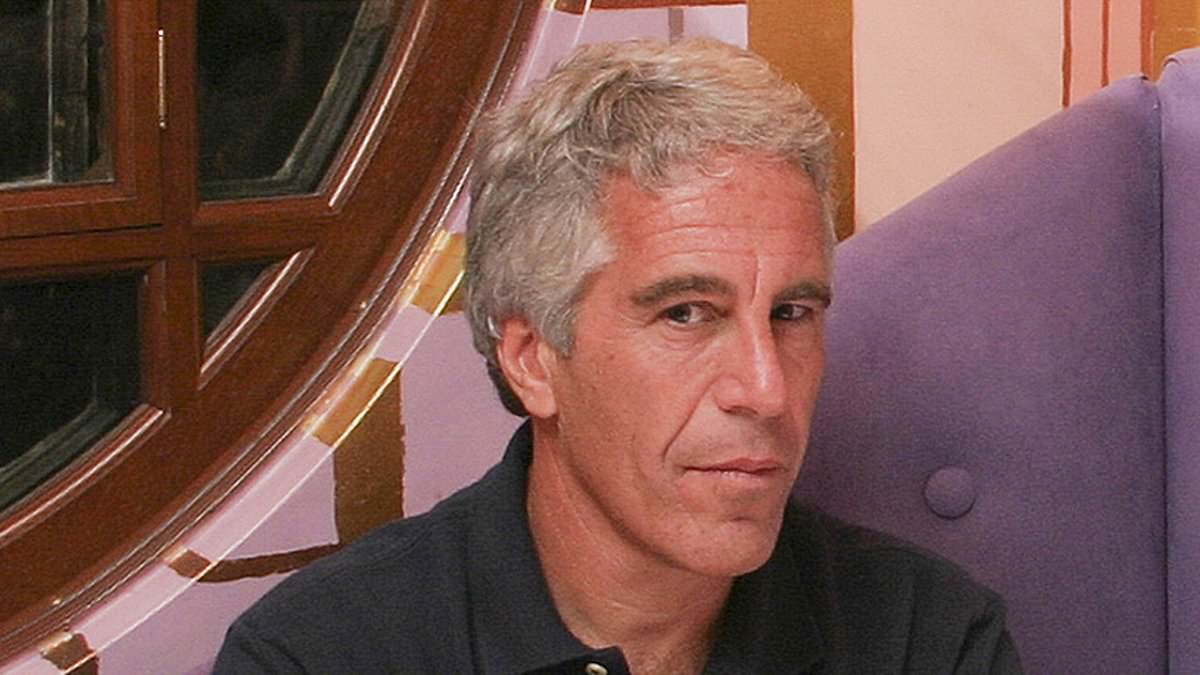
Jeffrey Epstein (Pictured) allegedly sent a bodyguard to threaten a photographer for New York magazine to turn over pictures taken for a cancelled article

Christopher Anderson (Pictured) revealed a collection of never-before-seen images of Epstein on Tuesday after finding an old hard drive
In an Instagram post, liked more than 130,000 times, Anderson explained that New York magazine had hired him to photograph Epstein.
Anderson said the shoot itself was meticulously staged, with Epstein carefully positioning himself and the rooms around him while maintaining a close eye on how he would be portrayed in print.
He captured both wide environmental shots and intimate black-and-white portraits, combining his signature style with Epstein’s demand for visual control.
The images offer glimpses into Epstein’s homes, including a large stuffed tiger near one desk and multiple offices filled with organized chaos, reflecting both wealth and an obsessive attention to detail.
Anderson said Epstein’s fascination with the photos extended beyond poses and composition: he paid $20,000 to acquire the images after publication, a move Anderson says was intended to prevent anyone else from using them.
Although the magazine initially approved the arrangement, Epstein’s withdrawal forced the story to be canceled, leaving the photographer with both creative work and a narrative that never reached the public.
Anderson described the experience as a lesson in power and fear, showing how Epstein leveraged intimidation, wealth, and influence to control those around him, including journalists and photographers.
The photographer said that despite the intimidation, he had preserved copies of the photos, which he rediscovered years later on a forgotten backup drive.

Epstein was arrested in 2019 on federal charges of sex trafficking minors and conspiracy to commit sex trafficking
By sharing the collection now, Anderson said he wanted to reveal both the access he was granted and the coercion he faced, exposing how Epstein maintained control over his image and legacy.
The images themselves are striking: black-and-white close-ups, wide shots of offices and personal spaces, and the careful framing of personal effects, all combining artistry with a window into Epstein’s life.
Along with depicting material opulence, the photos hint at the social and political circles Epstein cultivated, offering context for why he went to great lengths to suppress their release.
The collection now stands as a rare historical record, illustrating the combination of wealth, influence, and fear Epstein wielded over those around him, as well as the shadowy measures he employed to protect his public image.
Anderson’s decision to publish the hidden photos brings to light not just Epstein’s private world but also the intimidation tactics he used to control information, demonstrating how the convicted sex offender sought to manipulate even seasoned professionals.