
On Saturday, Iran was shaken by two devastating explosions that claimed the lives of at least four individuals, adding to the nation’s current turmoil amidst ongoing protests.
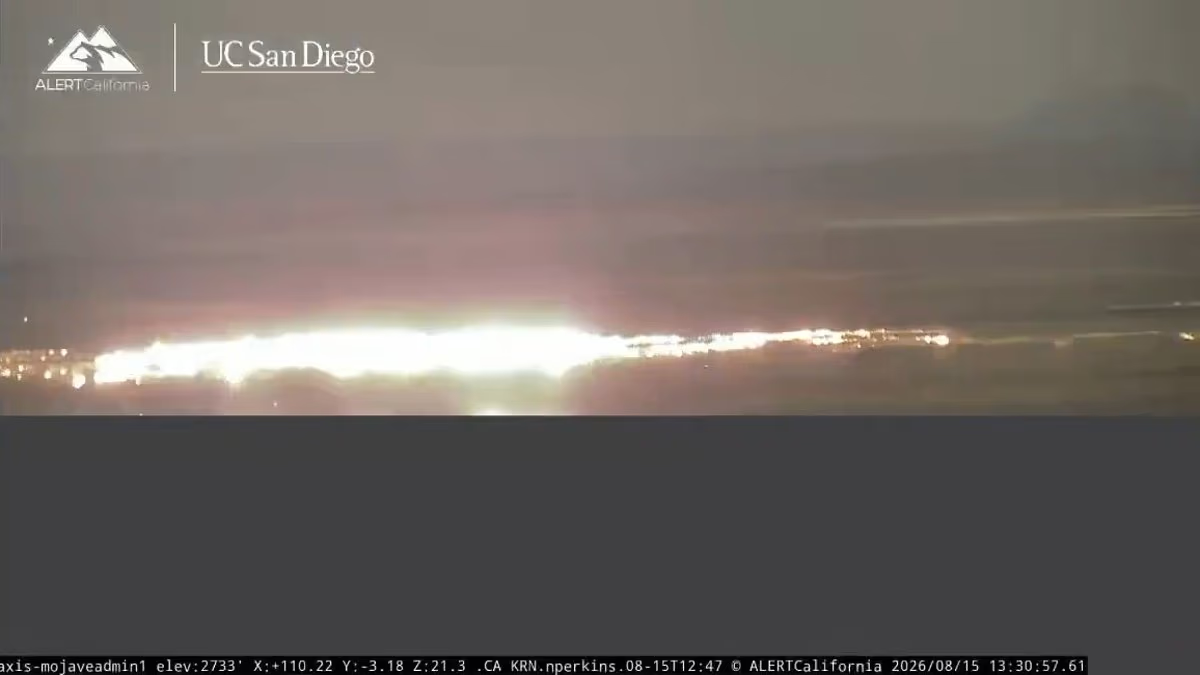
The first explosion erupted near the southern port city of Bandar Abbas, a crucial location on the Strait of Hormuz that is responsible for handling approximately 20% of the world’s seaborne oil. This strategic area is vital for global energy supplies, and any disturbance there raises international concern.
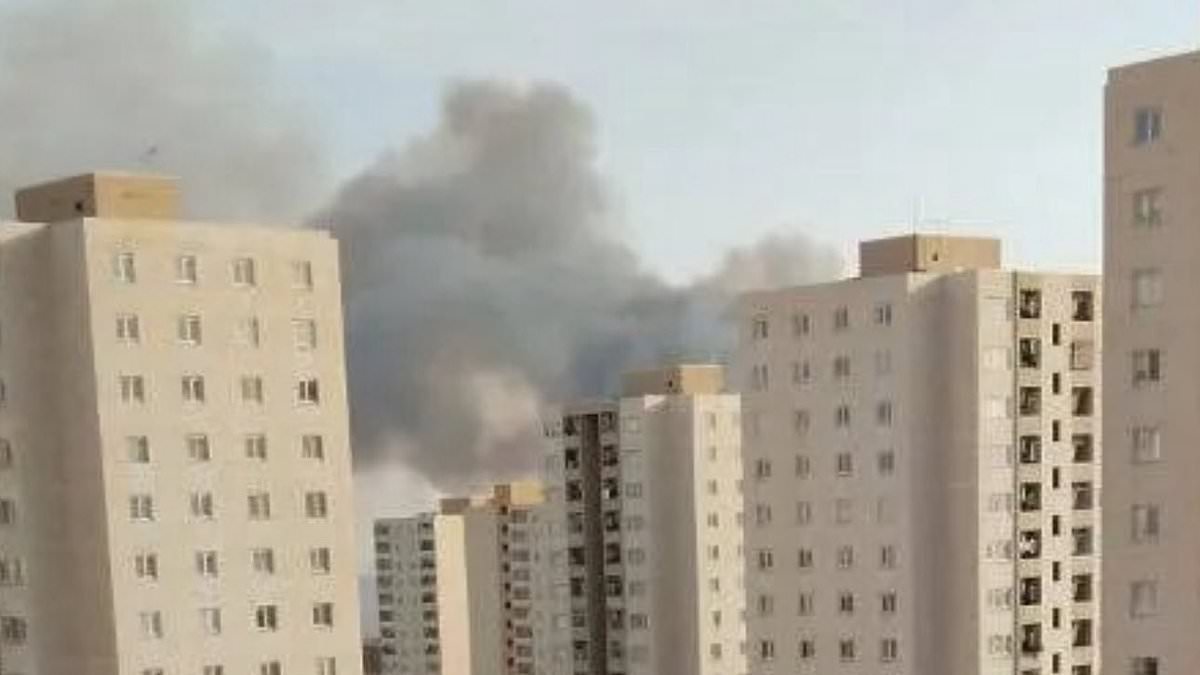
Meanwhile, over 600 miles away, a second explosion occurred in Ahvaz, a city situated within an eight-story residential building. This tragedy resulted in the loss of four lives, according to local media reports. The impact of the blast caused extensive damage to the building’s lower floors, and nearby vehicles and a shop also sustained significant harm.
In response to circulating rumors on social media, the semi-official Tasnim news agency firmly denied claims that the explosion in Ahvaz targeted a Revolutionary Guard navy commander, labeling such reports as “completely false.”
While Iranian media confirmed that investigations into the explosions are underway, they have yet to provide additional information regarding the incidents. As of now, the causes behind both explosions remain unknown, leaving many questions unanswered as the nation seeks clarity amidst its current unrest.
Iranian media said the blast was being investigated but gave no further information, and the cause of both explosions is currently unknown.
The reported explosions come amid heightened tensions between Tehran and Washington after Iranian authorities quelled the biggest protests to convulse the country in three years, and also amid ongoing Western concerns over Iran’s nuclear programme.
The nationwide protests erupted in December over economic hardship and posed one of the toughest challenges to the country’s clerical rulers.

Several explosions rocked Iran on Saturday, leaving at least four people dead

At least four people were killed when the explosion struck a residential building. Picture shows thick plumes of smoke billowing out of an apartment block following an explosion in Iran

Screen grab shows damage after an explosion in a building in Bandar Abbas, a port in southern Iran on the Gulf coast, though the cause of the blast is yet unknown
At least 5,000 people were killed in the protests, including 500 members of the security forces, according to Iranian officials.
US President Donald Trump said on Thursday that an ‘armada’ was heading toward Iran.
Multiple sources said on Friday that Trump was weighing options against Iran that include targeted strikes on security forces.
Earlier on Saturday, Iranian President Masoud Pezeshkian accused US, Israeli and European leaders of exploiting Iran’s economic problems, inciting unrest and providing people with the means to ‘tear the nation apart’.
Tension between the US and Iran has spiked in the wake of a brutal crackdown on nationwide protests.
Trump had threatened military action if Iran continued to kill peaceful protesters or carried out mass executions of those detained.
There have been no further protests for days, and Trump claimed recently that Tehran had halted the planned execution of about 800 arrested protesters — a claim Iran’s top prosecutor called ‘completely false’.
But the President has indicated he is keeping his options open, saying on Thursday that any military action would make last June’s US strikes on Iranian nuclear sites ‘look like peanuts’.

Pictures show significant damage to the lower floors of the tower block

State television said the explosion occurred at an eight-storey building, ‘destroying two floors, several vehicles, and shops’

Image shows damage caused to a shop front and a vehicle after the explosion on Saturday

The reported explosions come amid heightened tensions between Tehran and Washington

Iran has been rocked by violent protests this month. Pictured: Families and residents gather at the Kahrizak Coroner’s Office confronting rows of body bags as they search for relatives killed during the regime’s violent crackdown on protests

Protesters set fire to a car in Tehran. Even by the regime’s own estimates, between 2,000 and 3,000 have been killed – but new figures have put the death toll at more than 33,000

Supreme Leader Ayatollah Ali Khamenei attends a meeting in Tehran, Iran, last week

A woman holds up a placard as she stands in front of a pre-1979 Islamic Revolution Iranian flag during a demonstration in solidarity with Iranian protestors, in Israel’s central city of Holon on January 24, 2026

Heavily armed trucks seen patrolling Tehran on Saturday after being deployed to protect government sites
US Central Command said on social media that its Air Force F-15E Strike Eagle now has a presence in the Middle East, noting the fighter jet ‘enhances combat readiness and promotes regional security and stability’.
Similarly, the UK’s Ministry of Defence said Thursday that it deployed its Typhoon fighter jets to Qatar ‘in a defensive capacity’.
The protests in Iran began on December 28, sparked by the fall of the Iranian currency, the rial, and quickly spread across the country. They were met by a violent crackdown by Iran’s theocracy, which does not tolerate dissent.
The death toll reported by activists has continued to rise since the end of the demonstrations, as information trickles out despite a more than two-week internet blackout — the most comprehensive in Iran’s history.