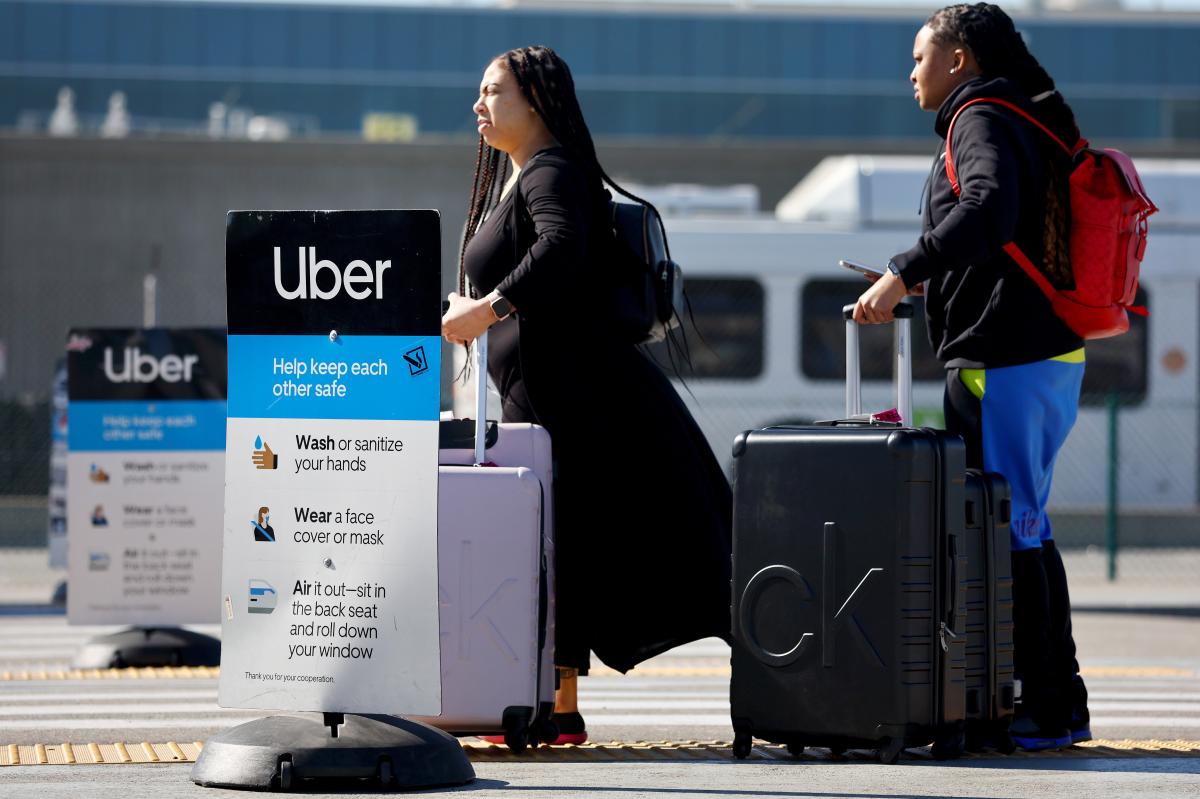

Travelers heading to Los Angeles International Airport (LAX) might soon face a significant increase in transportation costs, unrelated to fluctuating gas prices. The airport is considering a proposal that would substantially raise fees for ride-hailing services like Uber and Lyft, as well as for taxis, potentially impacting the cost of getting to and from this bustling gateway.
The plan, which is set to be reviewed by the Los Angeles Board of Airport Commissioners, suggests implementing a $6 base fee for rideshare drivers, taxis, and other commercial vehicles accessing LAX. This marks the first major revision of the airport’s fee structure in nearly ten years.
For those drivers who wish to drop off or pick up passengers directly at the terminal’s busy curbs, an additional $6 fee could be applied. This adjustment would bring the total charge to $12 per ride, whether arriving or departing from the Central Terminal Area. Consequently, a round-trip fee, which currently stands at $10, would soar to $24, representing a 140% increase.

Currently, the fees for accessing LAX range from $4 to $5, depending on the service used. The proposed hike has stirred discontent among stakeholders, particularly those advocating for affordable transportation options.
Danielle Lam, Uber’s head of local California policy, expressed strong opposition to the proposed increase, stating, “A 140% fee hike with no transparency or public process is indefensible.” In her statement to the LA Daily News, Lam emphasized that raising the rideshare fee from $5 to $12 at the curb would unfairly burden travelers, working families, and seniors who rely on cost-effective transportation. While Uber supports the enhancement of LAX facilities, Lam emphasized that it should not come at the expense of those who are integral to the airport’s operations.
“A 140% fee hike with no transparency or public process is indefensible,” Danielle Lam, Uber’s head of local California policy, said in a statement to the LA Daily News. “Raising the LAX rideshare fee from $5 to $12 at the curb would punish travelers, working families, and seniors who depend on affordable, reliable transportation. Uber supports improving LAX, but not on the backs of the people who keep it running.”
Airport officials say the hike is overdue, arguing that the current fees haven’t changed in 10 years despite billions of dollars poured into massive upgrades at LAX. The proposal is also being billed as a way to “manage congestion” and encourage the use of the airport’s long-delayed automated people mover, which is expected to be operational by the second half of this year. The people mover is an electric train that will take people between terminals, parking garages, a car rental hub and the Metro rail system in just 10 minutes.
But construction has stalled repeatedly, having started in 2019, airport officials say that the rail won’t be ready until the second half of 2026 — likely after the FIFA World Cup in June — according to reporting from the Los Angeles Business Journal.
Despite the project reportedly being 95% complete, the holdup seems to be happening behind the scenes, bogged down by disputes between Los Angeles World Airports and LINXS, the joint venture contractor consortium.
When it does eventually open, LAX anticipates that 30 million passengers will ride it per year, and reduce the amount of cars by an estimated 117,000.
By charging more for curbside pickups, airport commissioners hope to push rideshare drivers toward designated pickup areas connected to the train, easing the notorious traffic gridlock that often clops the airport loop.

The new pricing structure could also become a major revenue generator, projected to bring in an estimated $100 million annually.
“Just as LA is looking to put its best foot forward ahead of the World Cup and 2028 Olympics, the airport is instead trying to make coming to LA even less affordable,” Uber wrote in a March 7 email to customers. “A change like this that raises costs for millions of travelers deserves transparency and a meaningful public process, not just days notice and a forced vote.”
The base fee could kick in within 30 days of approval, while the higher curbside charge would begin once the airport’s automated train system opens.
The fee hike is not the only proposal the board is weighing that could impact visitors.
Another proposal up for a vote would crack down on the number of taxis and ride-hail pickups at the curb outside the airport’s busiest terminals. An airport staff report says companies like Uber and Lyft generate nearly 30,000 trips a day into the crowded Central Terminal Area.